

Easwaran J Narassimhan
Visiting Fellow, Climate Policy



Easwaran J Narassimhan is a Visiting Fellow of climate policy at the Sustainable Futures Collaborative (SFC) in New Delhi, India. He is also a visiting faculty member at the Climate Policy Lab, Fletcher School, Tufts University. Previously, Easwaran was a Fellow at the Centre for Policy Research (CPR) in New Delhi and a Research Fellow at the Kennedy School of Government, Harvard University. At SFC, Easwaran focuses on energy technology innovation, green industrialization, and energy transition in emerging economies. He has also worked extensively on climate policy analysis, including studying market-based and non-market-based policy interventions worldwide and identifying policy mixes for low-carbon development in developing countries. Easwaran holds an MA and PhD in International Affairs from The Fletcher School, Tufts University.
Publications


Issue Briefs
Climate Policy
India’s Electric Vehicle Ecosystem: Stuttering Transition or Strategic Reorientation?
Arunesh Karkun, Kashmeera Patel, Aman Srivastava, and Easwaran J Narassimhan
11 August 2026
An analysis of the evolution of India’s EV policy landscape, the current state of domestic manufacturing, and the strengths and limitations of its RD&D ecosystem.
Journal articles
Climate Policy
Navigating India’s low-carbon development futures: an interpretive assessment of model scenarios
Aman Srivastava, Easwaran J Narassimhan, and Navroz K Dubash
Environmental Research Letters | 6 July 2026
As India grows its economy without yet having locked into a specific development pathway, the implications inherent in these studies can quietly narrow the range of futures policymakers consider. The paper reviews eight influential modelling studies informing India's climate policy, and argues that there is a need to more adequately explore a range of the country's possible development futures. From narrow, converging assumptions on growth and urbanisation to a near order-of-magnitude gap in employment estimates, limits remain on how comprehensively these studies capture pathways for policymaking.
Blogs
Climate Policy
India’s Energy Storage RD&D Bet: Why Batteries Dominate, and What That Means for the Future
Kashmeera Patel, Aman Srivastava, and Easwaran J Narassimhan
3 March 2026
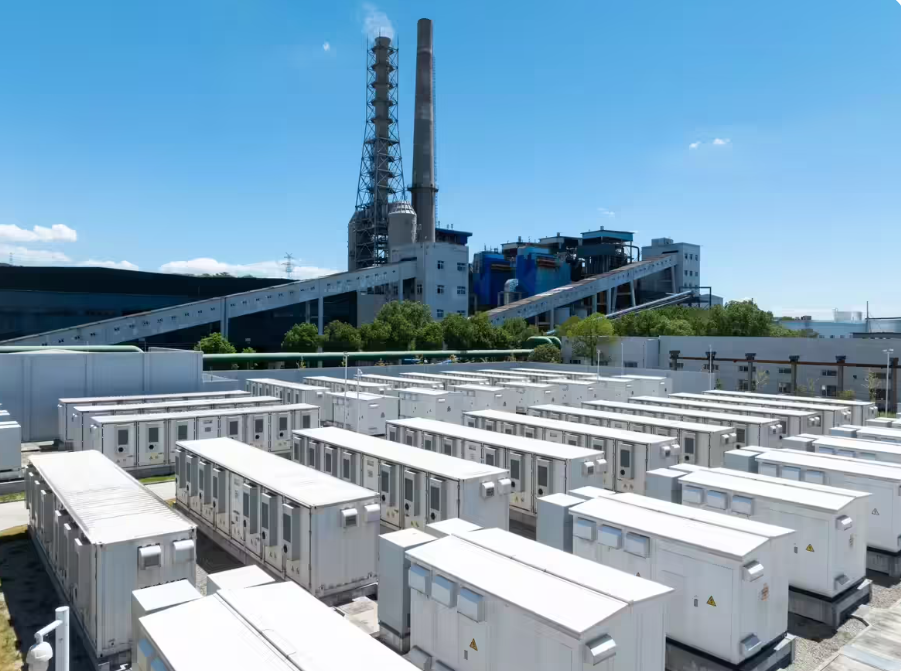
As India moves toward 500 GW of non-fossil capacity, energy storage will be central to grid stability. Our review of India’s public storage RD&D portfolio reveals a strong bet on batteries. But what does this concentration mean for long-term system flexibility and innovation diversity?
Blogs
Climate Policy
From Budget Announcements to Outcomes: Why Instrument Choice and Design Will Decide What Scales
Nikita Shukla, Aman Srivastava, and Easwaran J Narassimhan
23 February 2026
Union Budget announcements signal which technologies the government wants to scale up. Whether they actually scale depends on choosing the right policy instruments and designing them to remove the key bottleneck at each stage of diffusion. Using a five-stage diffusion framework, this blog explains why early alignment improves the chances of faster diffusion and more durable outcomes.

Blogs
Climate Policy
India’s Green Hydrogen Push: Engineering for Today or Innovating for Tomorrow?
Kashmeera Patel, Aman Srivastava, and Easwaran J Narassimhan
17 December 2025
India has committed heavily to scaling green hydrogen, but what does its public R&D portfolio reveal about its innovation strategy? Drawing on a review of nearly 250 publicly funded projects, this piece examines where India’s hydrogen R&D is concentrated, where gaps persist, and the strategic choices shaping whether India competes primarily on cost or on technology leadership.
Blogs
Climate Policy
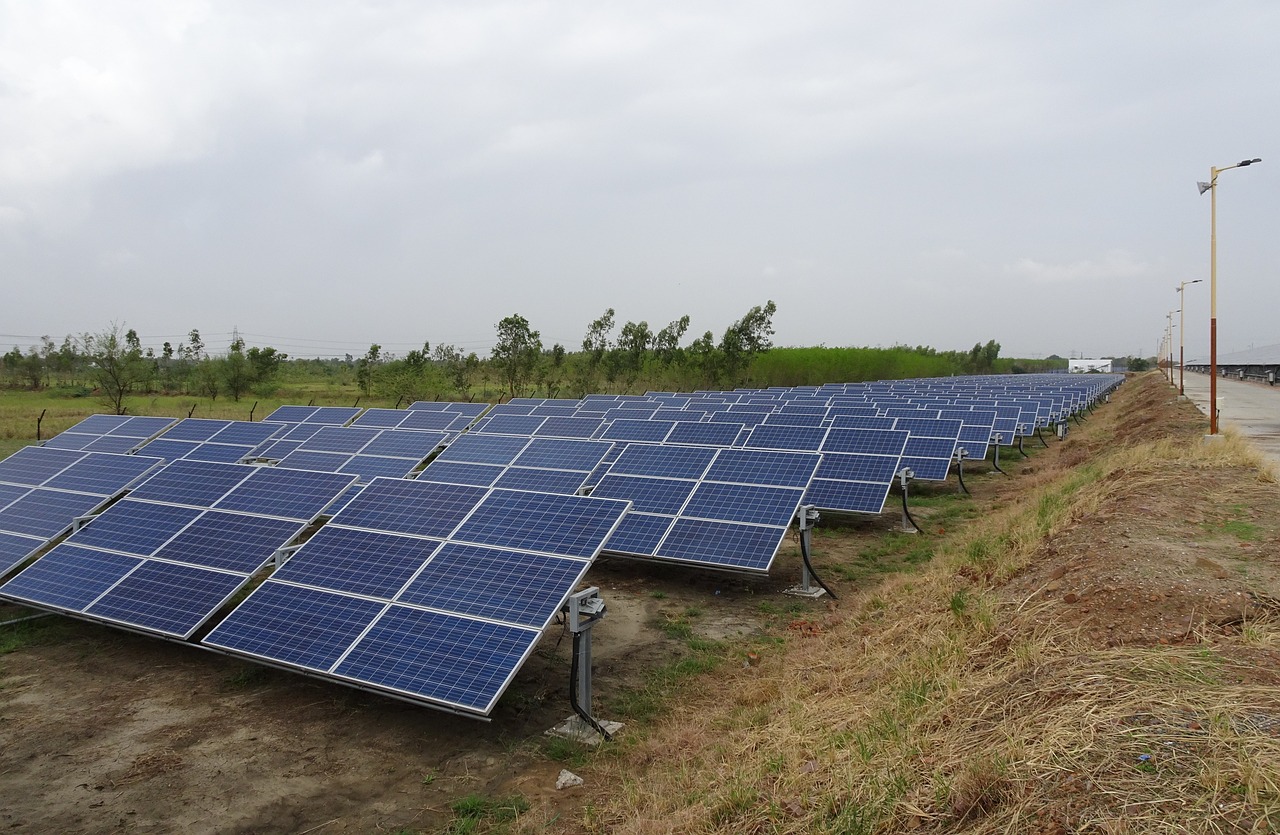
India’s Solar Crossroads: Borrowing Innovation or Building Its Own?
Kashmeera Patel, Aman Srivastava and Easwaran J Narassimhan
29 September 2025
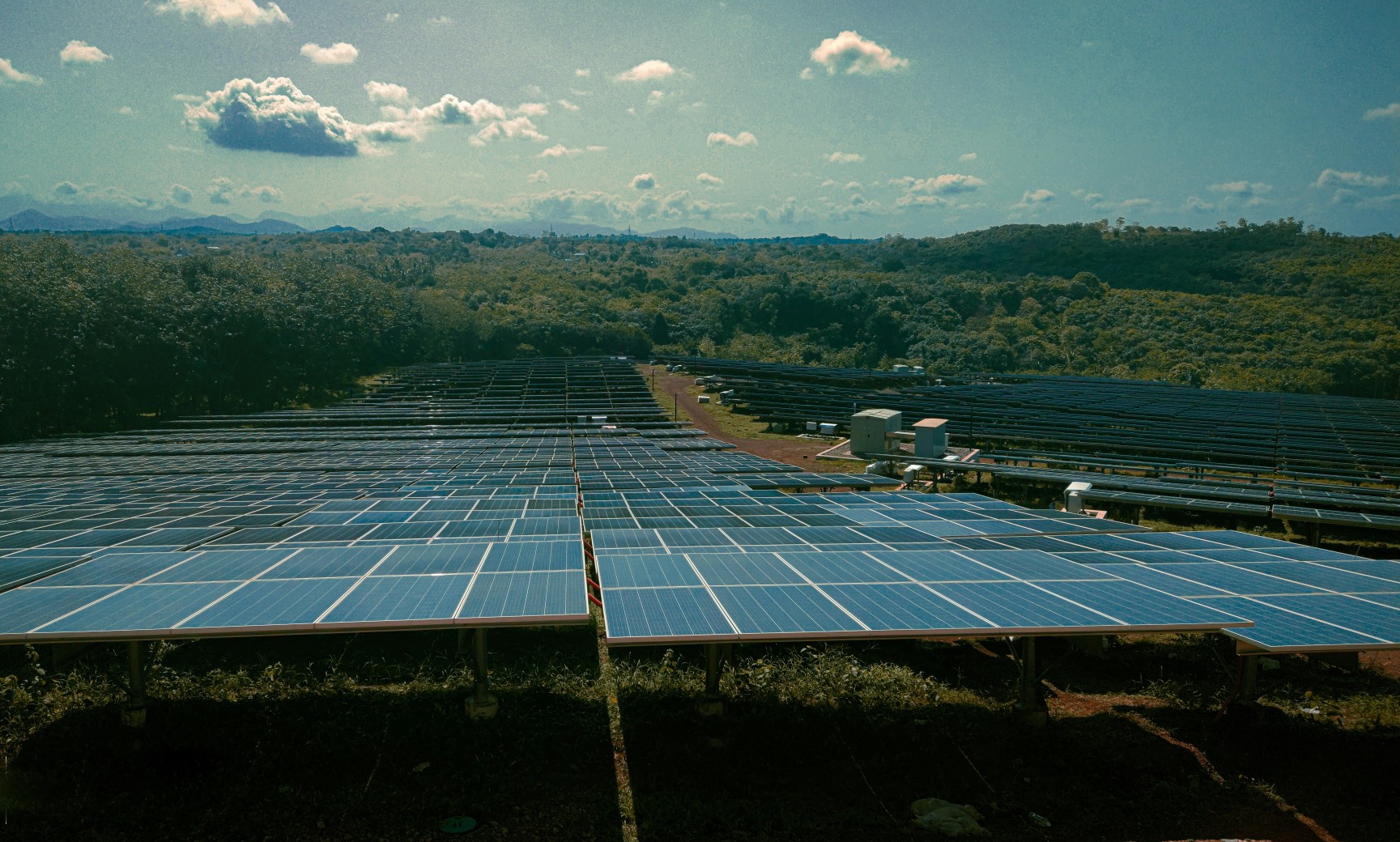
Behind the 100 GW milestone lies a structural vulnerability: India’s solar research, development, and demonstration (RD&D) base is still evolving and leans heavily on imports, leaving the country exposed to supply-chain shocks and sovereignty risks. We map India’s public solar RD&D landscape and analyse whether the country should align with global trajectories or carve out its own leadership.

Issue Briefs
Climate Policy
What Does Net-Zero Mean? Defining Goals Aligned With National Contexts
Nikita Shukla, Aman Srivastava, and Easwaran J. Narassimhan
21 July 2025
This issue brief outlines key considerations that can help shape a comprehensive definition of net-zero emissions for India, not by prescribing implementation strategies, but by deconstructing net-zero targets by their constituent elements necessary for clarity, comparability, and accountability.
Blogs
Climate Policy
One Lakh Crore for Innovation: Getting Strategic About Clean Energy R&D
Kashmeera Patel, Aman Srivastava, and Easwaran J Narassimhan
11 July 2025
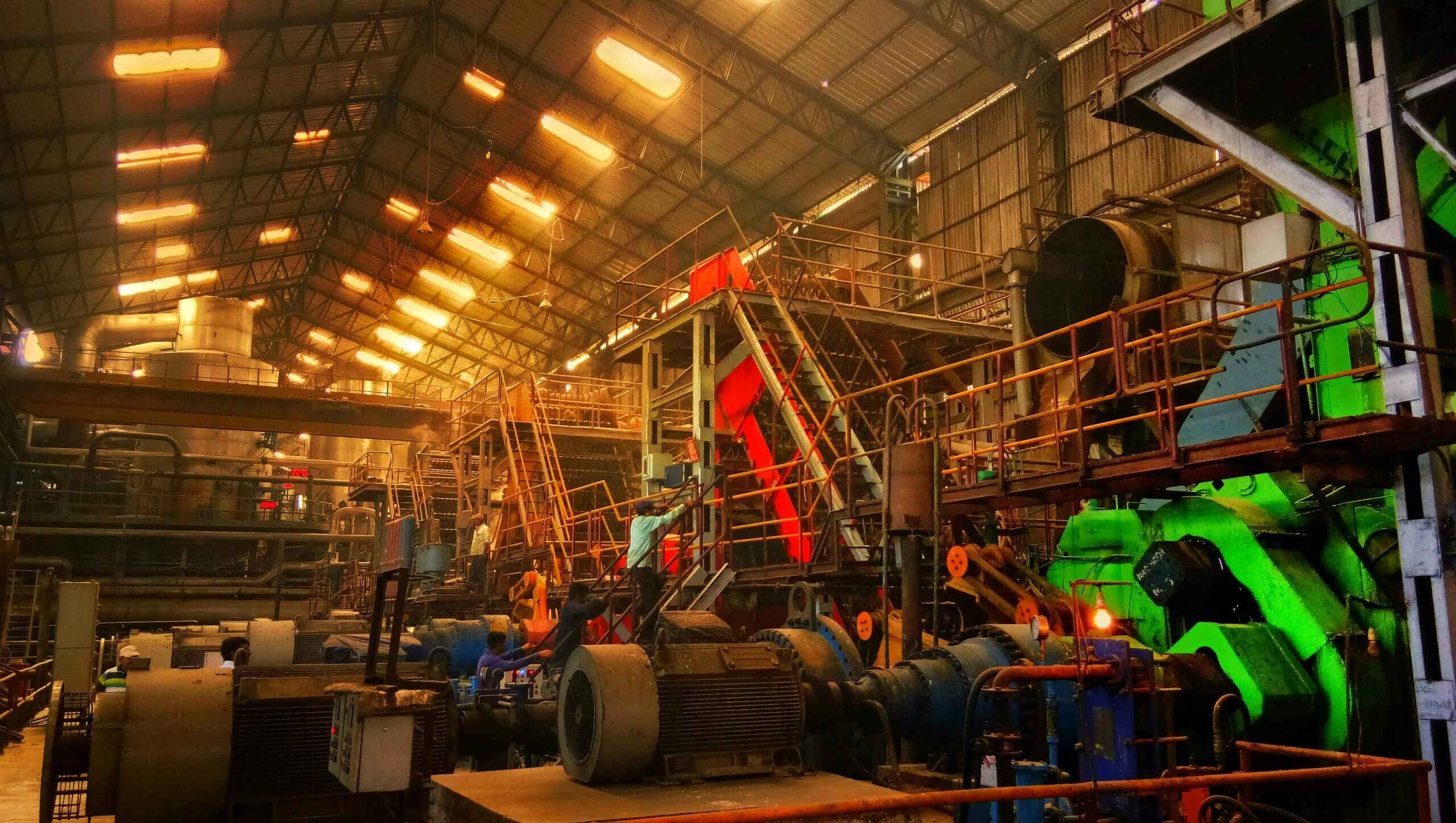
The blog examines the Union Cabinet’s recent approval of the ₹1 lakh crore Research, Development and Innovation (RDI) Scheme through the lens of what it could mean for India’s clean energy innovation landscape and green industrial policy.
Journal articles
Climate Policy
What Shapes Green Industrial Policy Objectives and Design? A Comparative Policy Analysis of Renewable Energy Auctions in India and South Africa
Easwaran J. Narassimhan
Journal of Comparative Policy Analysis | 29 May 2025
Governments are increasingly using green industrial policies to address socio-economic and environmental objectives in the energy transition. But why do countries with similar policy objectives implement different green industrial policy designs?