

 SFC Perspectives
 Embedding a development-centric climate-ready approach to policymaking
India can currently pursue a range of development pathways while addressing the challenges presented by climate change. In its choices, it must prioritise low-carbon development while ensuring equitable growth in employment, incomes, and quality of life. We approach the climate challenge from the lens of aligning climate policies with India’s development goals, and recognising the synergies and trade-offs inherent in policy choices. Through this, we aim to inform the design of a development-centric, climate-ready state.
We focus on three key steps of policy planning, design, and implementation at both, the national and subnational levels. First, we work to improve the use of emissions-economy models to enhance capacity to envision low-carbon development pathways. Second, we employ green industrial policy as a strategic approach to integrated policymaking. Third, we explore designs for a more suitable architecture of climate finance to enable these pathways and policies.
Our publications
This also includes publications by SFC team members in their past capacities.
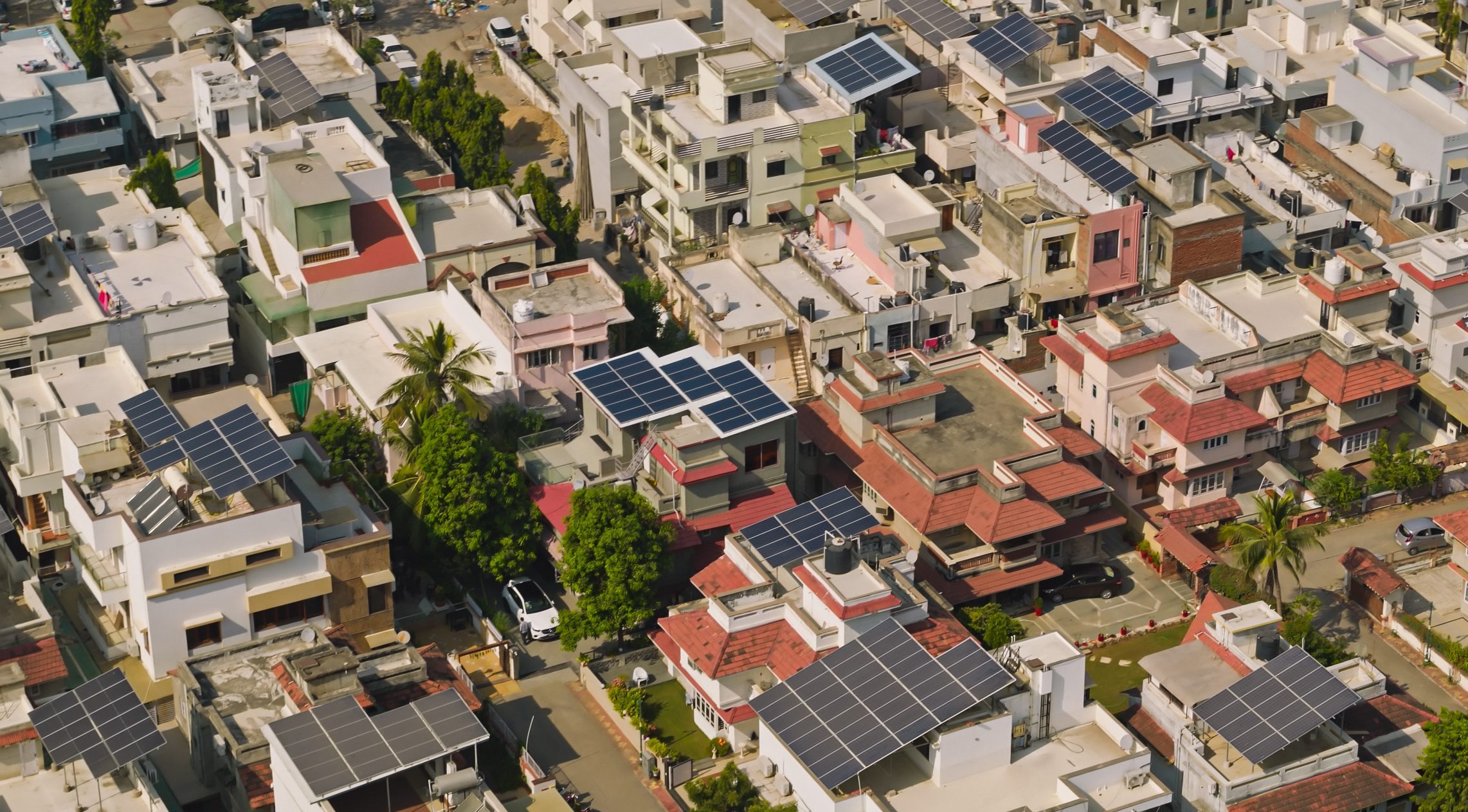
How Can India Align Its Clean Energy Innovations with Its Ambitions? An Assessment of Public RD&D Investments and Activit…
Kashmeera Patel, Easwaran J Narassimhan, and Aman Srivastava
15 October 2026
Read more

Climate Litigation and Democratic Governance in India
Shibani Ghosh
International IDEA | 5 October 2026
The evolving climate litigation landscape in India and its implications for public participation, access to justice, and government accountability
Read more
India’s Electric Vehicle Ecosystem: Stuttering Transition or Strategic Reorientation?
Arunesh Karkun, Kashmeera Patel, Aman Srivastava, and Easwaran J Narassimhan
11 August 2026
An analysis of the evolution of India’s EV policy landscape, the current state of domestic manufacturing, and the strengths and limitations of its RD&D ecosystem.
Read more



Journal articles
Climate Policy
Navigating India’s low-carbon development futures: an interpretive assessment of model scenarios
Aman Srivastava, Easwaran J Narassimhan, and Navroz K Dubash
Environmental Research Letters | 6 July 2026
As India grows its economy without yet having locked into a specific development pathway, the implications inherent in these studies can quietly narrow the range of futures policymakers consider. The paper reviews eight influential modelling studies informing India’s climate policy, and argues that there is a need to more adequately explore a range of the country’s possible development futures. From narrow, converging assumptions on growth and urbanisation to a near order-of-magnitude gap in employment estimates, limits remain on how comprehensively these studies capture pathways for policymaking.
Opinions
Climate Policy
Trade liberalisation meets carbon tariffs as India eyes EU market
Soutrik Goswami and Isha Sharma
Mongabay | 30 June 2026
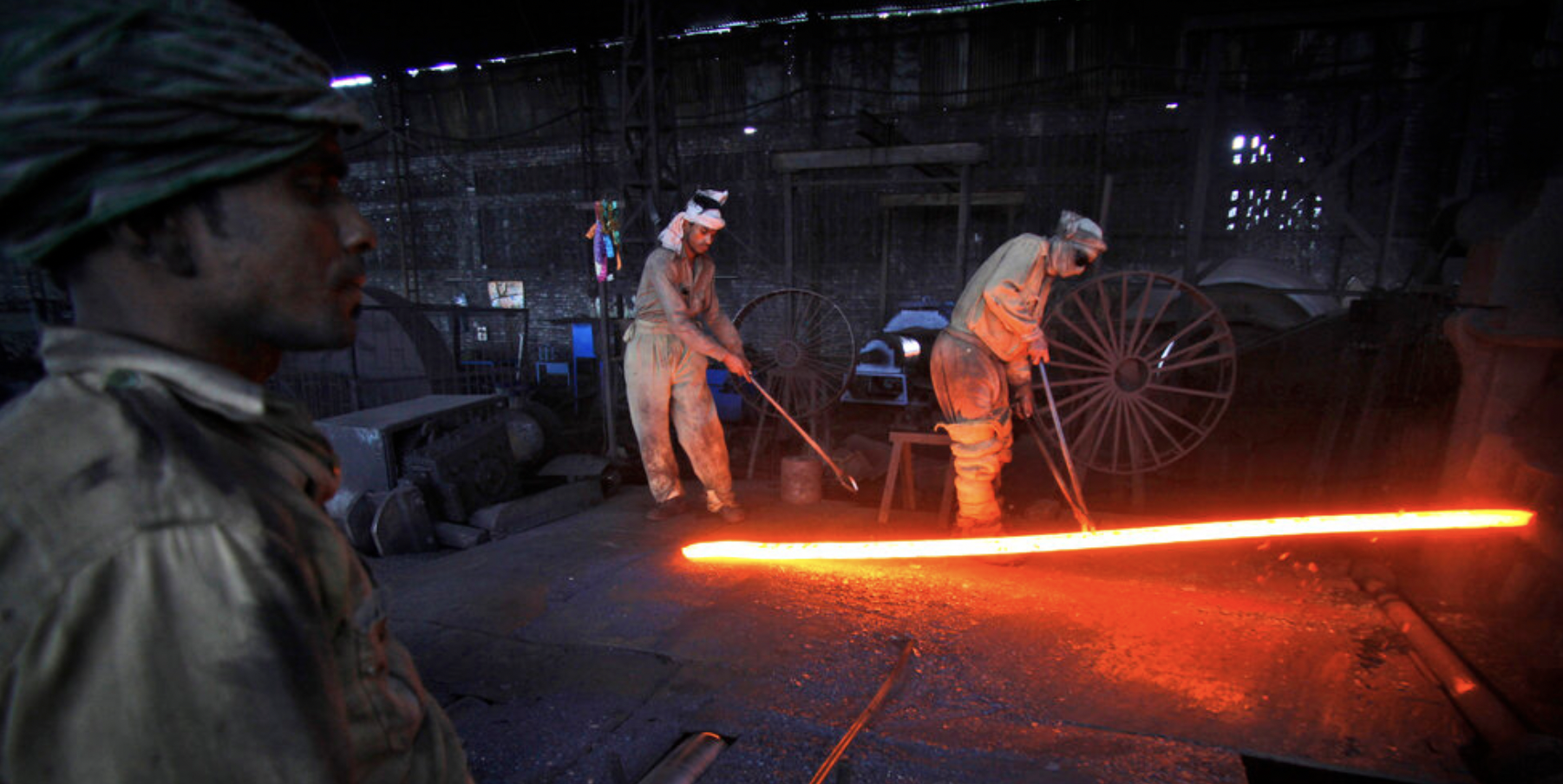
While the FTA opens export opportunities for India, exporters will also face pressure to cut emission intensity to comply with CBAM, a tension that’s especially sharp for India’s iron and steel sector. How will the FTA-CBAM interaction shape India’s export opportunities against its competitors? Is India’s export competitiveness increasingly tied to its industrial emissions?
Opinions
Climate Policy
Bonn Deadlock Puts Pressure on COP31—and on Climate Multilateralism
Isha Sharma and Aman Srivastava
The Quint | 23 June 2026
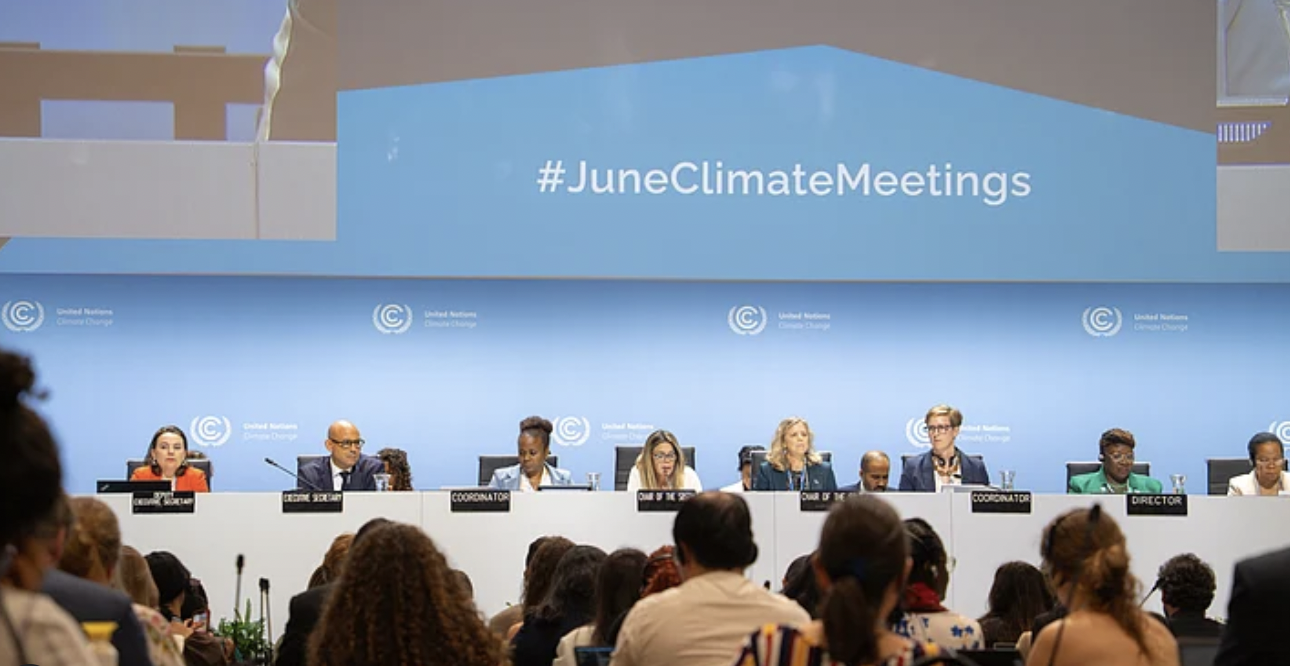
Small gains at the Bonn Climate Summit mask deeper rifts over finance, trade, and climate policy implementation.
Opinions
Climate Policy
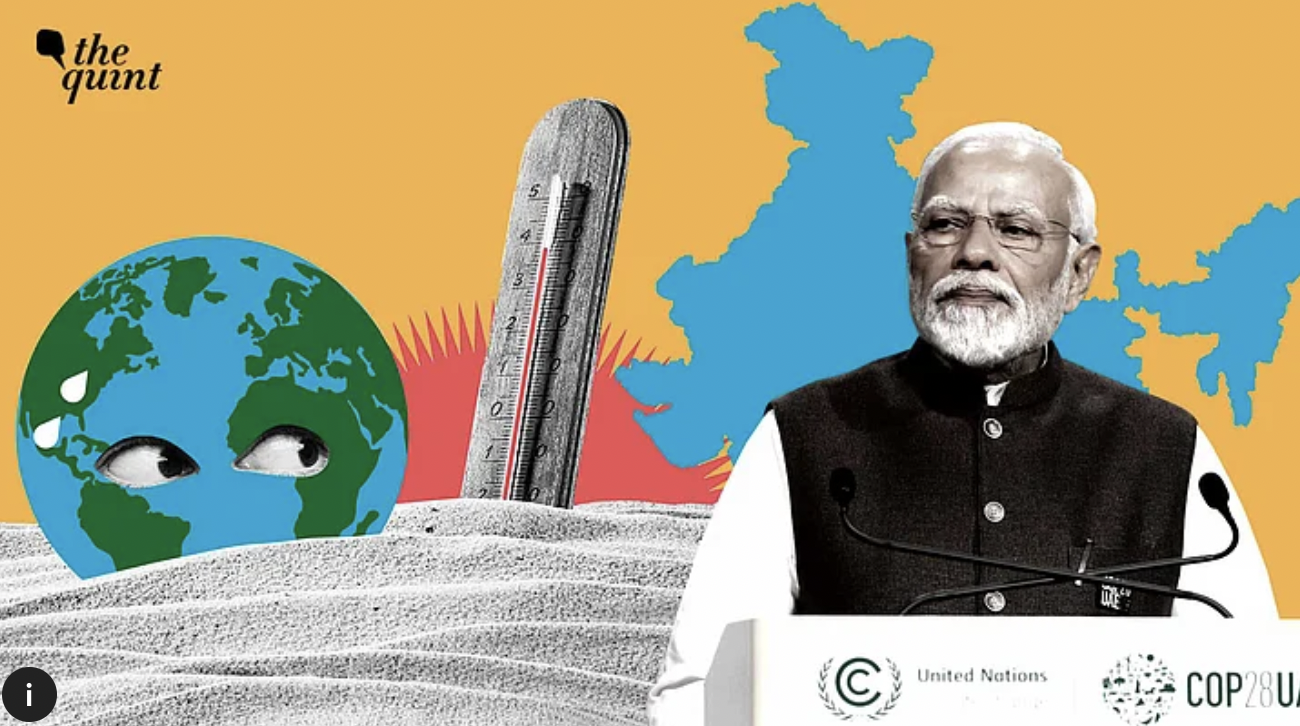
Bidding Goodbye to COP33: Has India Missed a Trick?
Aman Srivastava
The Quint | 16 April 2026
While the withdrawal was quiet, the decision itself speaks volumes about India’s shifting climate priorities.
Blogs
Climate Policy
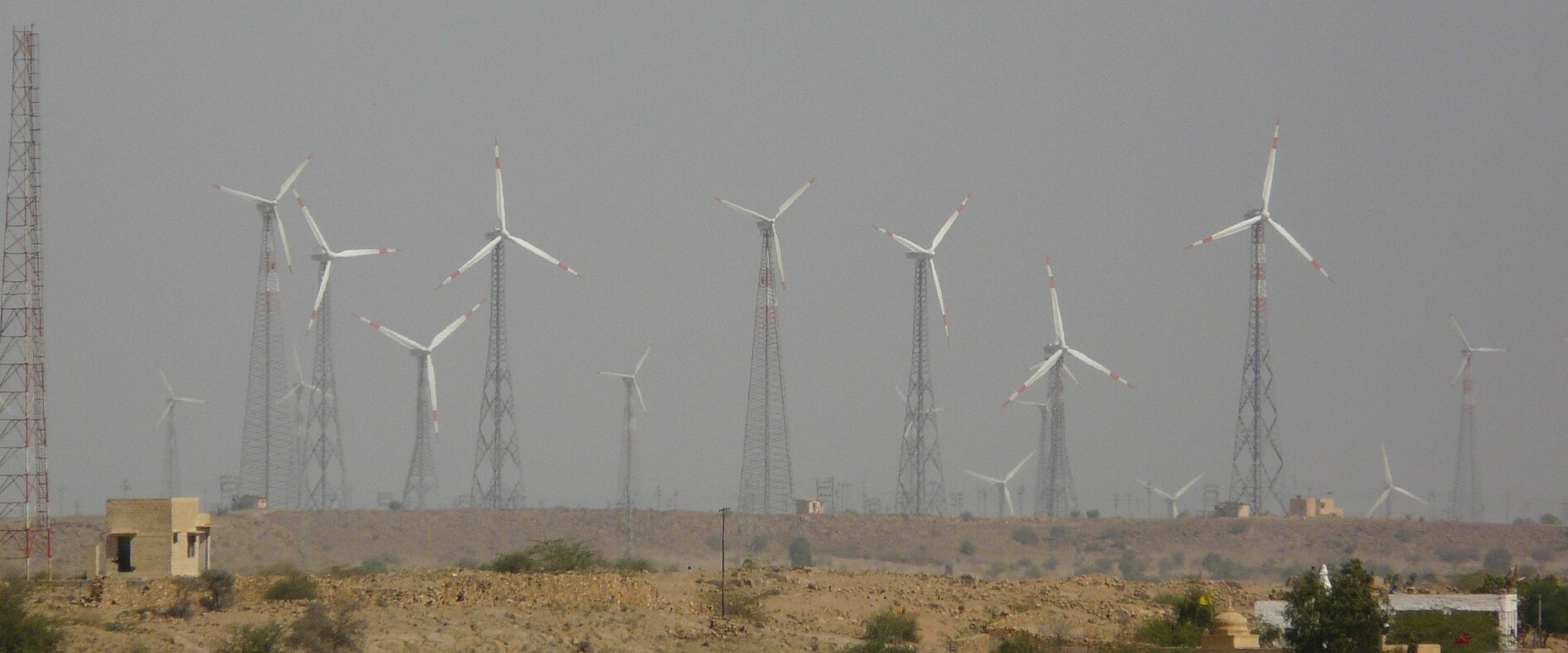
India’s Second NDC: Revisiting the Intensity of Climate Ambition
Aman Srivastava and Nikita Shukla
15 April 2026
India’s updated Nationally Determined Contribution (NDC) targets a 47% reduction in emissions intensity by 2035. However, available evidence suggests that India had already achieved a 38% reduction by 2020 and may have surpassed the 47% threshold by 2024, before the target period begins.
Journal articles
Climate Policy
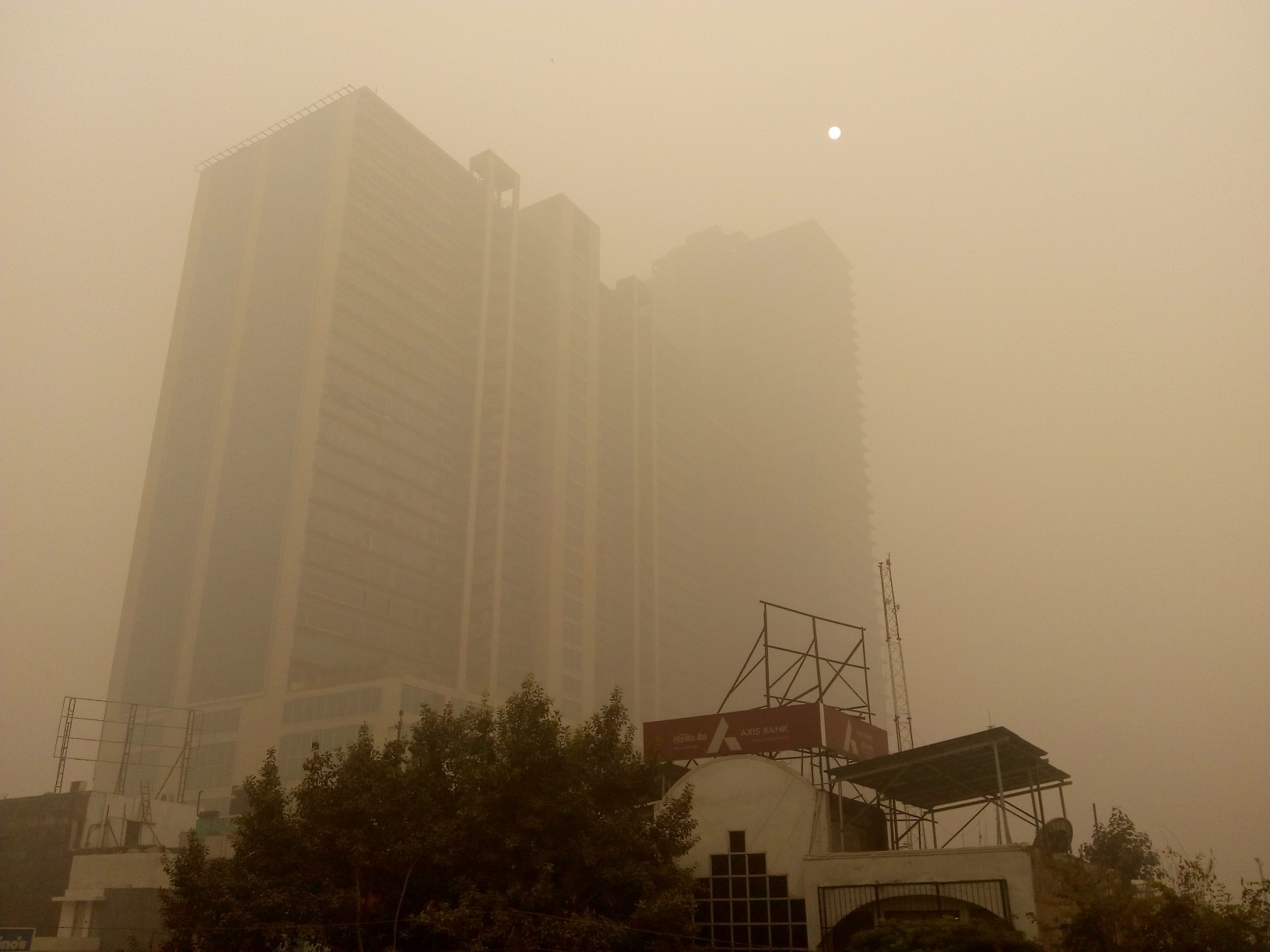
Global Climate Justice and the Future of Air Quality Co-Benefits in Low-Income and Middle-Income Countries: An Energy, Climate, and Health Modelling Study
Noah Scovronick PhD, Jinyu Shiwang MS et al.
The Lancet Global Health | 17 March 2026
Justice-centred climate mitigation strategies must ensure that LMICs do not miss an opportunity to realise transformative reductions in air pollution.
Blogs
Climate Policy
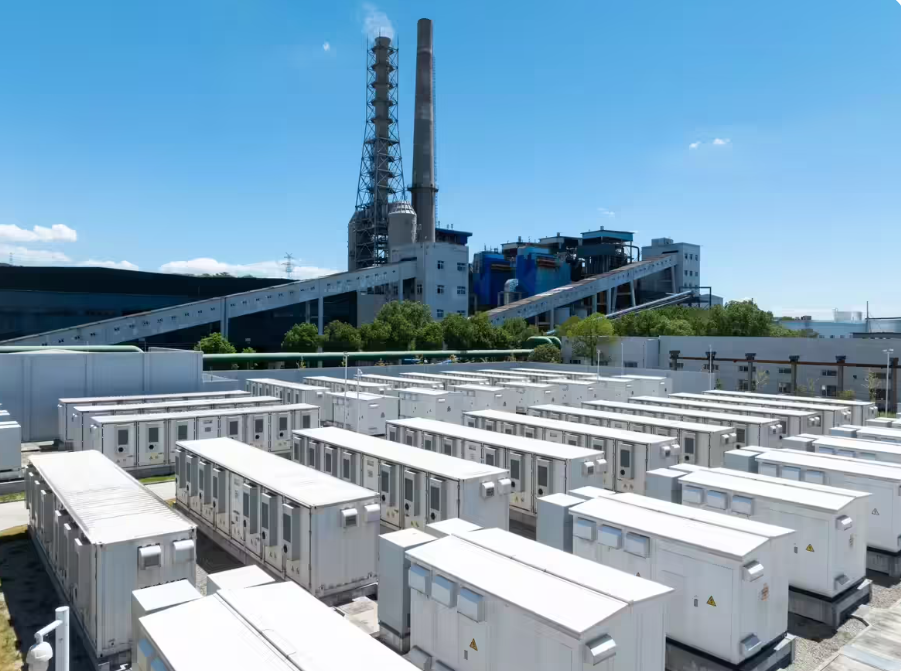
India’s Energy Storage RD&D Bet: Why Batteries Dominate, and What That Means for the Future
Kashmeera Patel, Aman Srivastava, and Easwaran J Narassimhan
3 March 2026
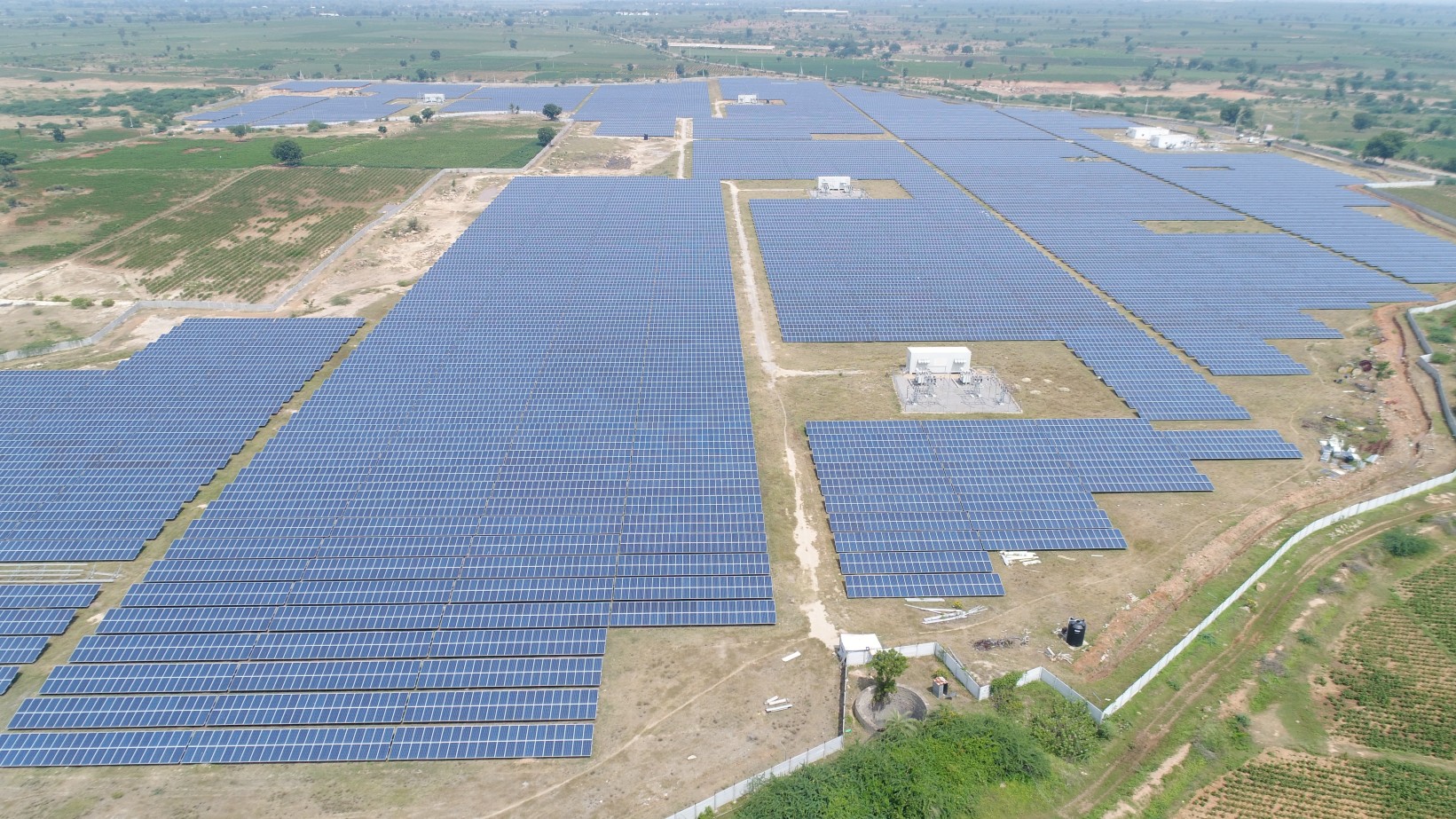
As India moves toward 500 GW of non-fossil capacity, energy storage will be central to grid stability. Our review of India’s public storage RD&D portfolio reveals a strong bet on batteries. But what does this concentration mean for long-term system flexibility and innovation diversity?
Blogs
Climate Policy
From Budget Announcements to Outcomes: Why Instrument Choice and Design Will Decide What Scales
Nikita Shukla, Aman Srivastava, and Easwaran J Narassimhan
23 February 2026
Union Budget announcements signal which technologies the government wants to scale up. Whether they actually scale depends on choosing the right policy instruments and designing them to remove the key bottleneck at each stage of diffusion. Using a five-stage diffusion framework, this blog explains why early alignment improves the chances of faster diffusion and more durable outcomes.

Opinions
Climate Policy
India’s AI Push Is Quietly Draining Its Energy, Resources, and Space
Escandita Tewari
The Quint | 26 December 2025
India is rapidly expanding its artificial intelligence infrastructure, from semiconductor manufacturing partnerships like the Tata PSMC project to a projected 9GW data centre capacity by 2030. This AI-led growth brings significant environmental challenges, including high water and energy use, increased e-waste, and weak regulatory oversight. Can India achieve digital leadership without worsening environmental vulnerabilities?
Show more
Projects
Climate Policy
India’s Clean Energy RD&D Tracker: Public Investment and Activities Across Technologies, Institutions, and Innovation
Kashmeera Patel, Easwaran J Narassimhan, and Aman Srivastava
15 October 2026
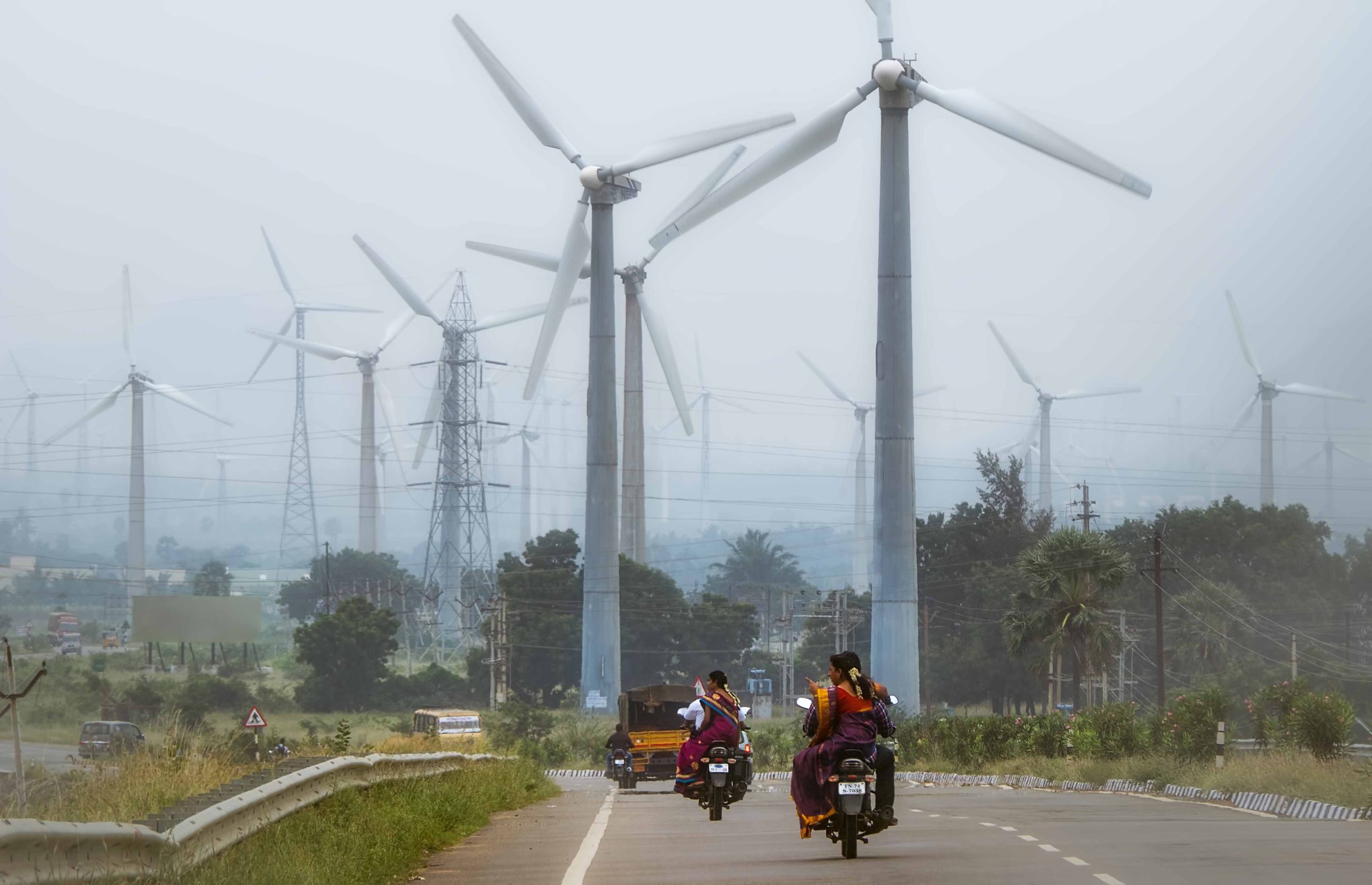
Around 60% of India’s research and development (R&D) funding comes from public sources. However, how much of that supports clean energy, and where those investments go and what they are spent on, has remained difficult to understand. This tracker brings together publicly available information on India’s clean energy research, development, and demonstration (RD&D) ecosystem, enabling users to explore patterns in funding, institutional participation, technology priorities, and innovation.

Climate Policy
The Climate Futures Project – Bridging Climate Policy and Models
Aman Srivastava, Nikita Shukla, Easwaran J. Narassimhan
17 April 2025
The Climate Futures Project is an initiative of the Sustainable Futures Collaborative, originally an independent initiative co-developed by the Centre for Policy Research and the Indian Institute of Technology Delhi, to foster the informed and measured use of climate policy modelling studies by decision makers, scientists, journalists and concerned citizens.
Adaptation and Resilience
Climate Policy
Building a Climate-Ready State
Navroz K Dubash, Aditya Valiathan Pillai and Shibani Ghosh
18 March 2024
Transforming into a low-carbon, climate-resilient society presents complex governance challenges for India. How should the Indian state approach these climate governance challenges? What institutional models could be effective and what lessons can be drawn from global experiences? Our work addresses these questions and offers governance frameworks to guide policymakers, researchers, and civil society organisations.