

Mukta Naik
Fellow, Adaptation and Resilience


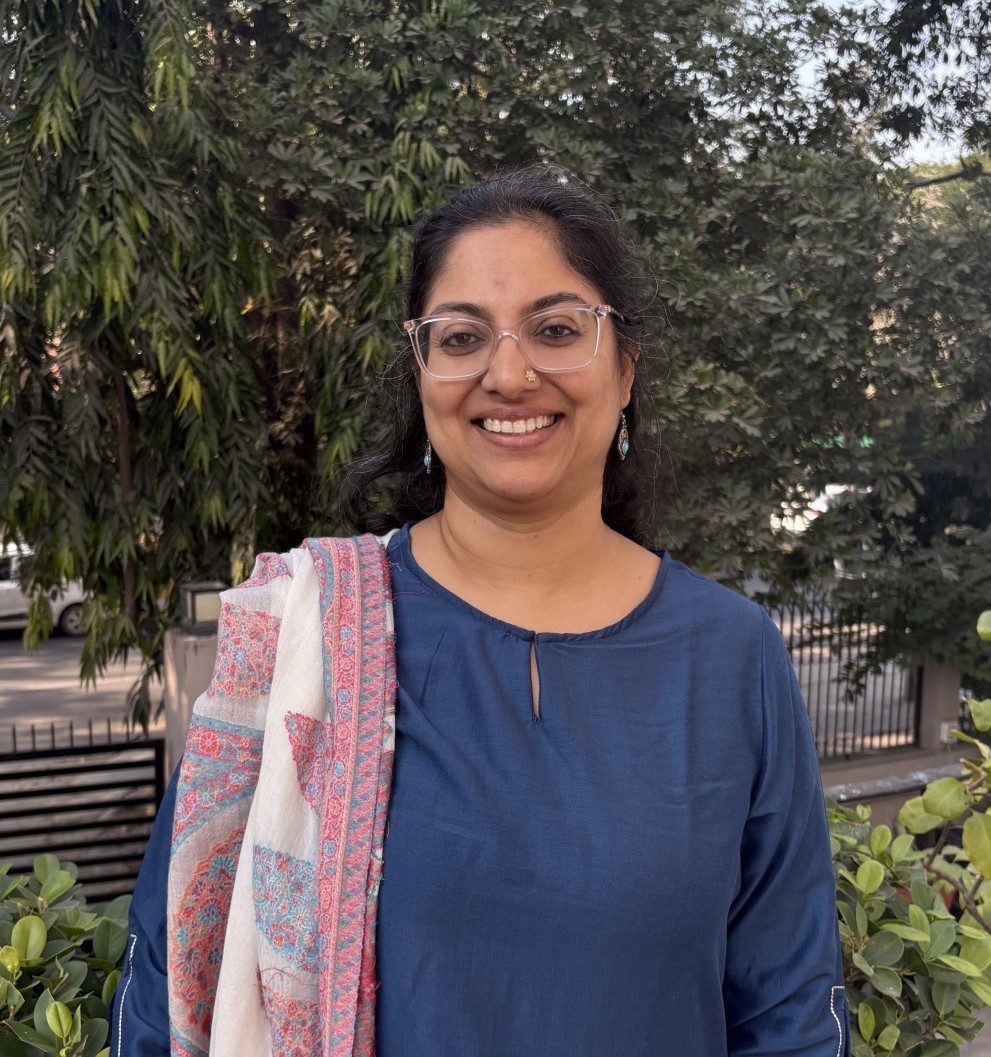
Dr. Mukta Naik is a Fellow, Adaptation and Resilience, at the Sustainable Futures Collaborative. An architect and urban planner, her research interests lie in urban transformations, housing, livelihoods, and migration. She examines these issues through the lens of urban governance and policy, with a focus on informality, equitable access and climate resilience. In the recent past, Mukta led policy work on urban livelihoods at the National Institute of Urban Affairs. Previously, as a Fellow at the Centre for Policy Research, her research focused on housing informality, urban migration, social protection, women’s work and small city governance. Mukta has also engaged as a planner and community development expert with various NGOs, and taught as visiting faculty at the School of Planning and Architecture, New Delhi, Tata Institute of Social Sciences, Hyderabad and Ambedkar University Delhi. Mukta holds a PhD in Urban Development and Governance from Erasmus University Rotterdam, a Masters in Urban and Regional Planning from Texas A&M University, and a B. Arch from School of Planning and Architecture, New Delhi.
Publications

Journal articles
Adaptation and Resilience
Crisis as inflection point in the urban governance of domestic migration in India: a policy frames analysis
Mukta Naik
International Development Planning Review | 18 October 2024
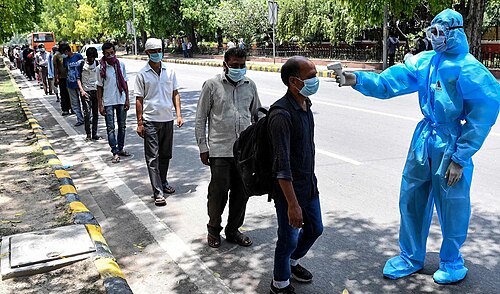
This paper explores the ideas, perceptions and beliefs of diverse governance actors – politicians, bureaucrats and civil society members – and questions whether the COVID-19 migrant crisis generated new directions in the urban governance of migration.
Journal articles
Adaptation and Resilience
Tracing Internal Migration Governance in India Through a ‘Mainstreaming’ Lens
Mukta Naik
Urbanisation | 4 April 2024
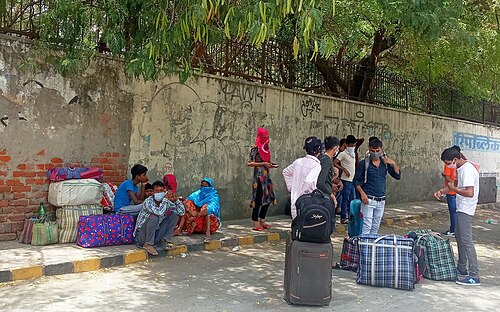
This article traces and analyses internal migration policy in India over time, particularly how the COVID-19 pandemic reshaped responses.
Opinions
Adaptation and Resilience
To save flooded cities, recast urban planning
Mukta Naik
Hindustan Times | 12 July 2023
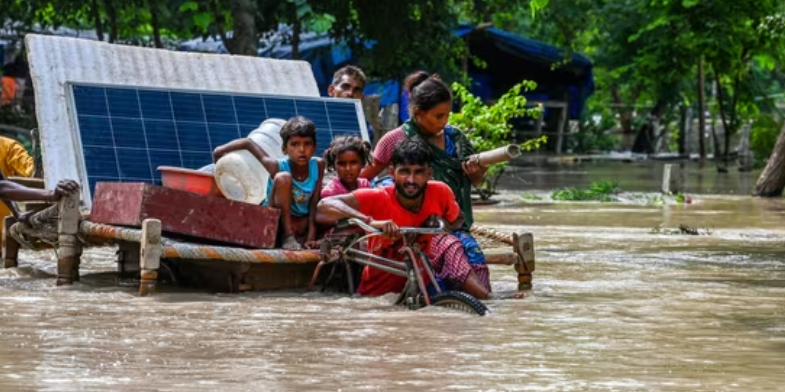
Floods in Delhi highlight infrastructure failures in Indian cities. Urban planning needs a new approach, for nature-based solutions and resource allocation.

Opinions
Adaptation and Resilience
Urban elites can help push urgent climate adaptation
Mukta Naik
Hindustan Times | 11 October 2022
The urban elite are enriching urban life through private philanthropy. Enlisting them to the cause of climate might not be a silver bullet, but can lead to short-term gains in adaptation.
Journal articles
Adaptation and Resilience
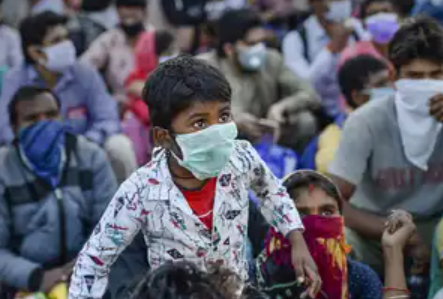
Shock Mobilities During Moments of Acute Uncertainty
Biao Xiang, William L Allen et al
Geopolitics | 25 July 2022
The paper argues that tracing shocks’ dynamics in a comparative manner provides an analytical means for assessing the long-term implications of the pandemic, building theories about how and why any particular post-crisis world emerges as it does, and paving the way for future empirical work.