
China and India in the Himalayan climate crisis

Summary
This article describes an unprecedented threat to large parts of India and China emanating from receding glaciers in the Himalaya. It posits that this threat will require these countries to redefine their security calculus by moving beyond military and economic fixations to incorporate an ecological dimension. It suggests four actions – two regional and two international – that could help them set the tone for cooperation in coming decades.
Some of these actions may seem unlikely against the backdrop of stark geopolitical competition today but this article points out that the building blocks for action have already been put in place: research networks for glacial science; regional electricity grids; international finance institutions jointly led by India and China; and joint negotiating positions that define international climate negotiations. The art of diplomacy will vest in transforming these incipient actions into transformative projects that not only define the bilateral relationship for the rest of the century, but make a dent in staving off the worst of a Himalayan disaster.
 Download the Study

Related Publications

Reports
Adaptation and Resilience
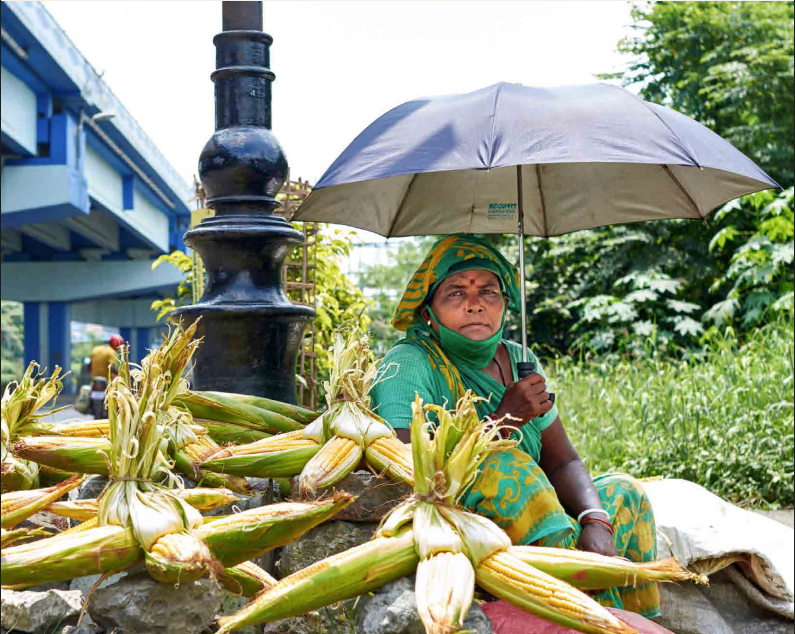
Living with Heat in India: Heat-Health Risks, Vulnerability and Emerging Responses
Dr Purvi Patel, Tamanna Dalal, Abhiyant Tiwari, and Anshima Mishra
GHHIN | 8 October 2026
This report examines India’s evolving heat risk and its implications for population health, with a focus on changing heat exposure, the populations and places most at risk, and the institutional and policy responses emerging across the country.
Opinions
Adaptation and Resilience
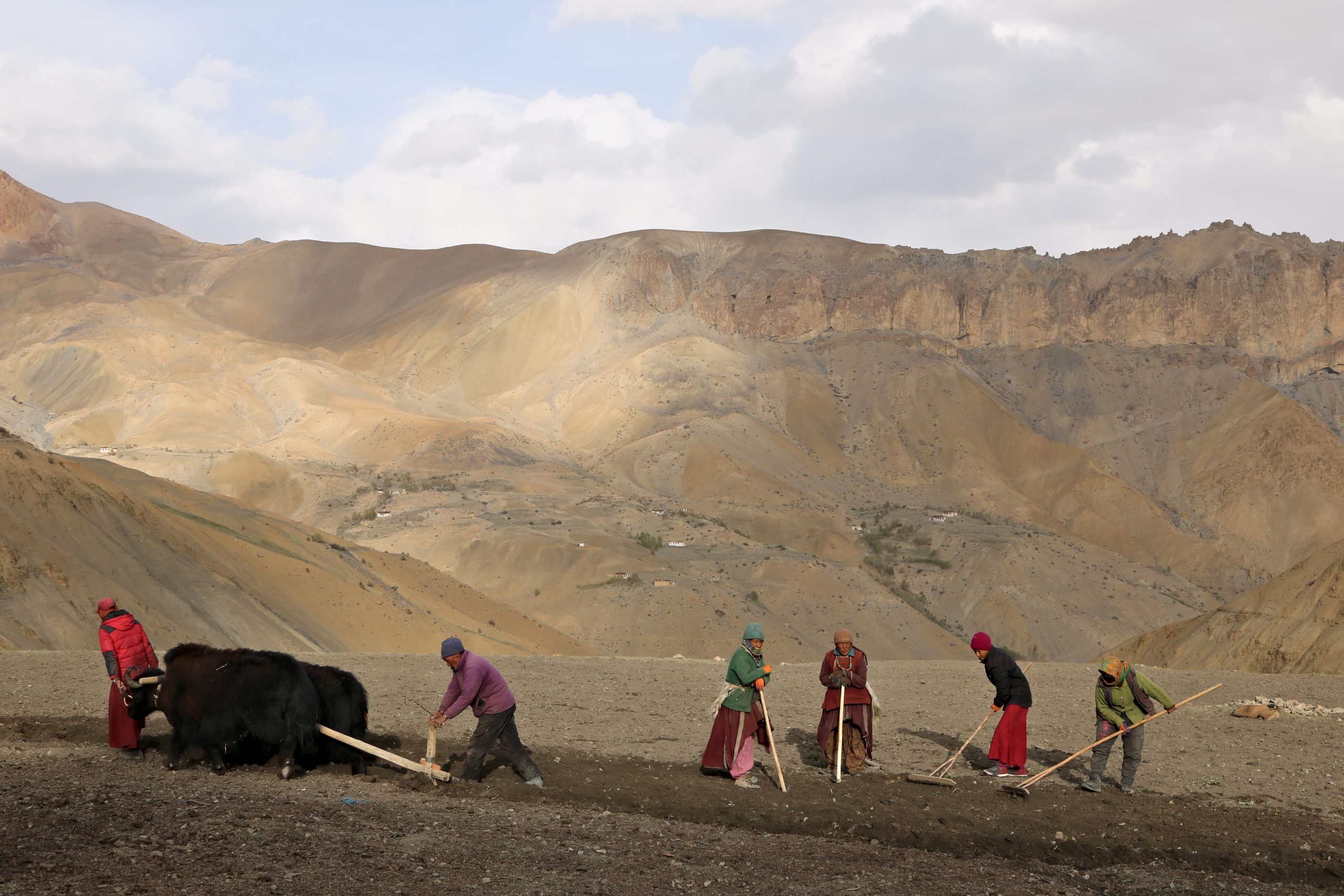
India Needs a Just Adaptation Agenda
Ishan Kukreti, Sarada Prasanna Das, and Sony R K
Mongabay | 6 October 2026
Climate impacts are reshaping India's economy, yet adaptation is often assumed to be inherently just. India's first National Adaptation Plan must make justice enforceable, with statutory community consultation, vulnerability-weighted budgets across sectors, and independent monitoring of who benefits, so resilience reaches those most exposed rather than just those most visible.
Issue Briefs
Adaptation and Resilience
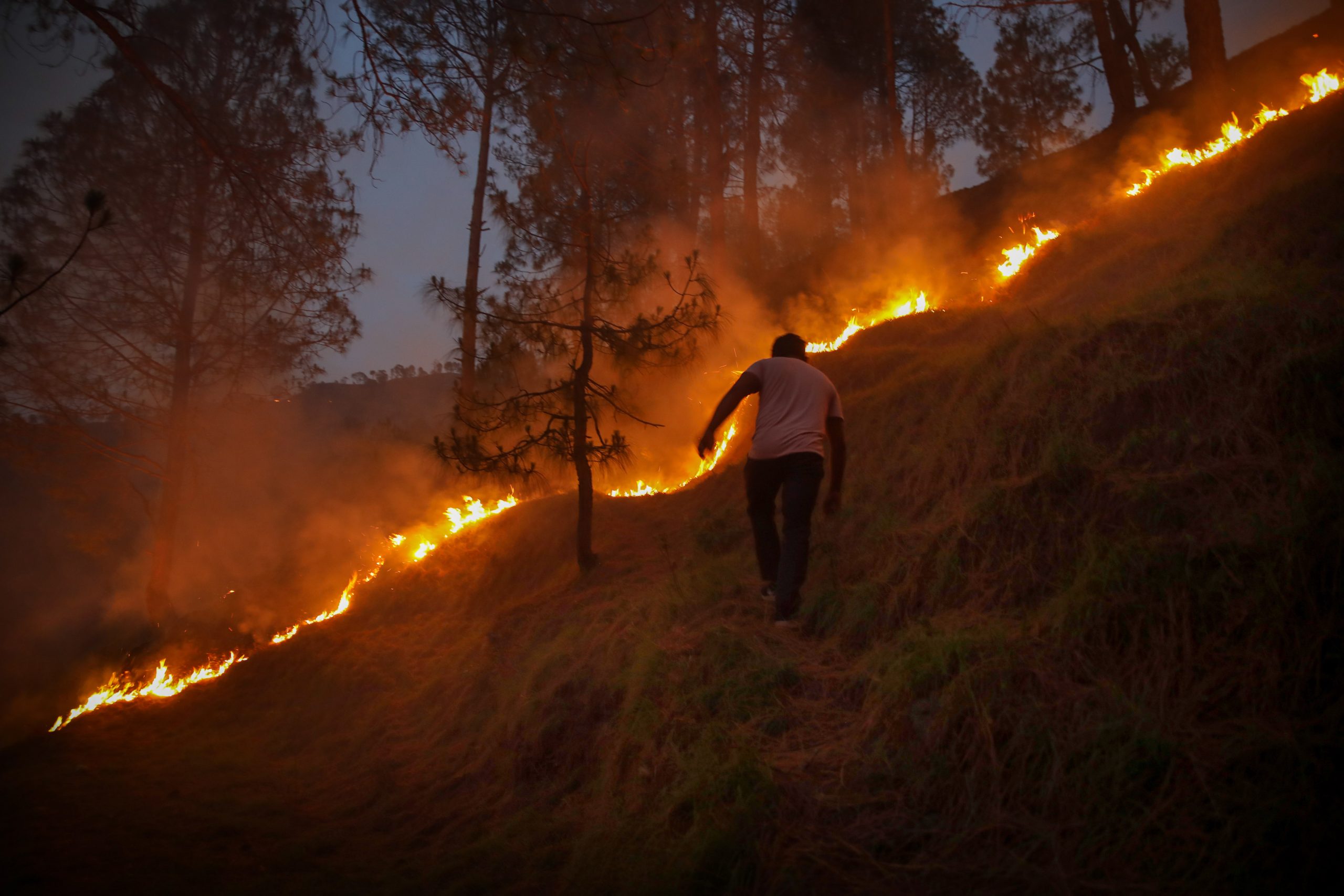
From Fire Suppression to Climate Adaptation: Reimagining Forest Governance in a Warming World
Ishan Kukreti
9 September 2026
An analysis of India's forest fire policy, how current governance addresses climate-driven risks, & the institutional shifts required to move from suppression to adaptation.