Navroz K Dubash, Marc Fleurbaey and Sivan Kartha

Climate Policy: Political implications of data presentation
Summary
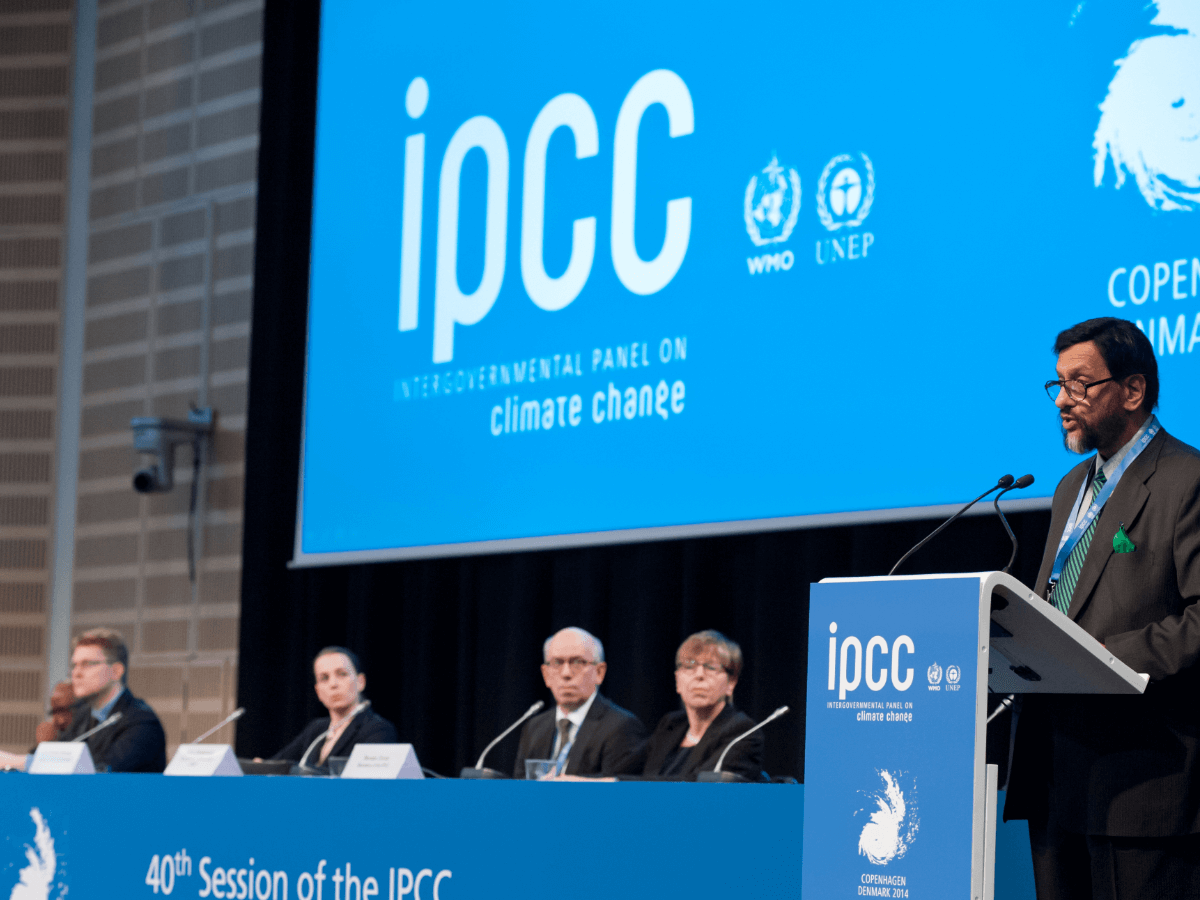
What is the appropriate balance between scientific analysis and governmental input in the IPCC? Claiming government overreach and calling for greater insulation of the process come from a misleadingly simple interpretation. Such insulation would likely diminish the policy relevance of the SPM. The SPM is “approved” by governments, not merely “accepted” as is the main report, which invests it with an important measure of governmental ownership. An approval process is worth preserving, as it is precisely what makes the IPCC distinct from any number of technical reports. We explore an alternative vision for articulating science and politics at the IPCC.
 Download the Study

Related Publications

Reports
Climate Policy
How Can India Align Its Clean Energy Innovations with Its Ambitions? An Assessment of Public RD&D Investments and Activities
Kashmeera Patel, Easwaran J Narassimhan, and Aman Srivastava
15 October 2026
This report examines India’s public clean energy RD&D investments across six key technologies to assess whether public cleantech RD&D innovations align with its broader clean energy, industrial, and climate ambitions.

Climate Policy
Climate Litigation and Democratic Governance in India
Shibani Ghosh
International IDEA | 5 October 2026
Climate litigation is emerging as an important avenue for addressing environmental harms and strengthening accountability in India. As climate-related challenges intensify, courts are increasingly being called upon to consider how constitutional rights, environmental protection, and democratic governance intersect. This case study examines the evolving climate litigation landscape in India and explores its implications for public participation, access to justice, and government accountability. It is part of a series on climate litigation and democracy in Asia and the Pacific, which examines how legal action is shaping participation, accountability, and rights-based responses to climate change.

Issue Briefs
Climate Policy
India’s Electric Vehicle Ecosystem: Stuttering Transition or Strategic Reorientation?
Arunesh Karkun, Kashmeera Patel, Aman Srivastava, and Easwaran J Narassimhan
11 August 2026
An analysis of the evolution of India’s EV policy landscape, the current state of domestic manufacturing, and the strengths and limitations of its RD&D ecosystem.