
Demystifying the Environmental Clearance Process in India
Introduction
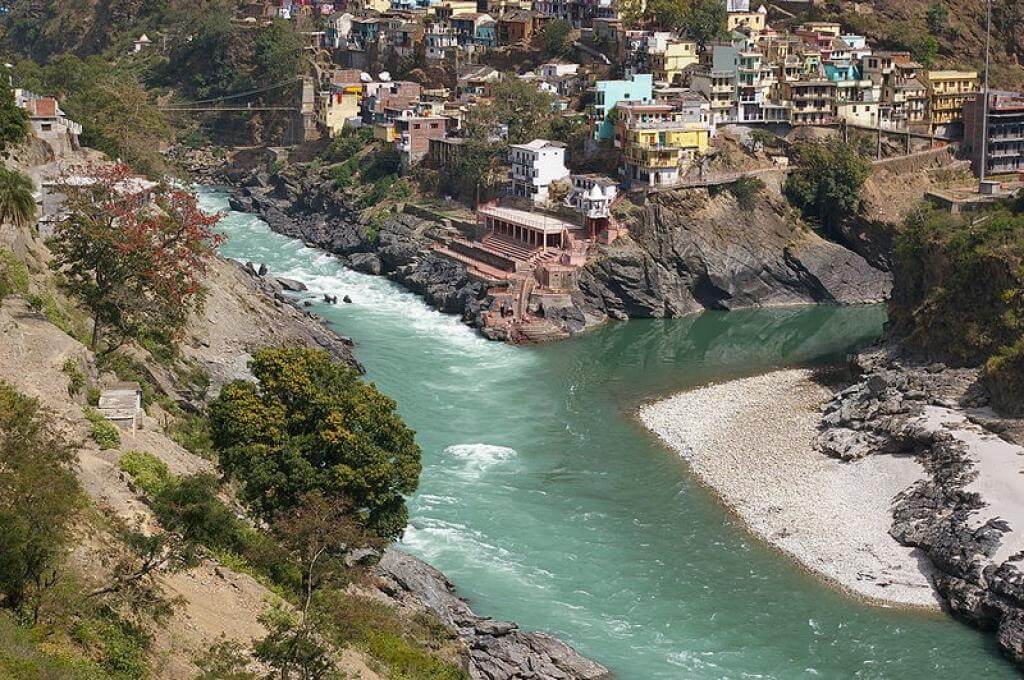
In recent years there have been several controversies regarding projects being granted (or denied) environmental regulatory approvals. While many civil society groups and those adversely affected believe that legal procedures are being bypassed for commercial gain at immense cost to the environment and the larger public interest; the corporate sector, and at least sections of the government, perceive the regulatory processes to be a roadblock in the country’s growth trajectory. This paper maps out the process to be followed before projects are granted one such regulatory approval – the environmental clearance under the EIA Notification 2006 – and presents an analysis of some of the problematic aspects in its design and implementation. Several stakeholders with a variety of interests, often conflicting, are involved, and the process is deeply contentious with significant implications for a range of rights. This paper aims to bring some clarity to our understanding of this complex process through a critical examination of the Notification, related documents and judicial pronouncements.
 Download the Study

Related Publications

Opinions
Environmental Governance and Policy
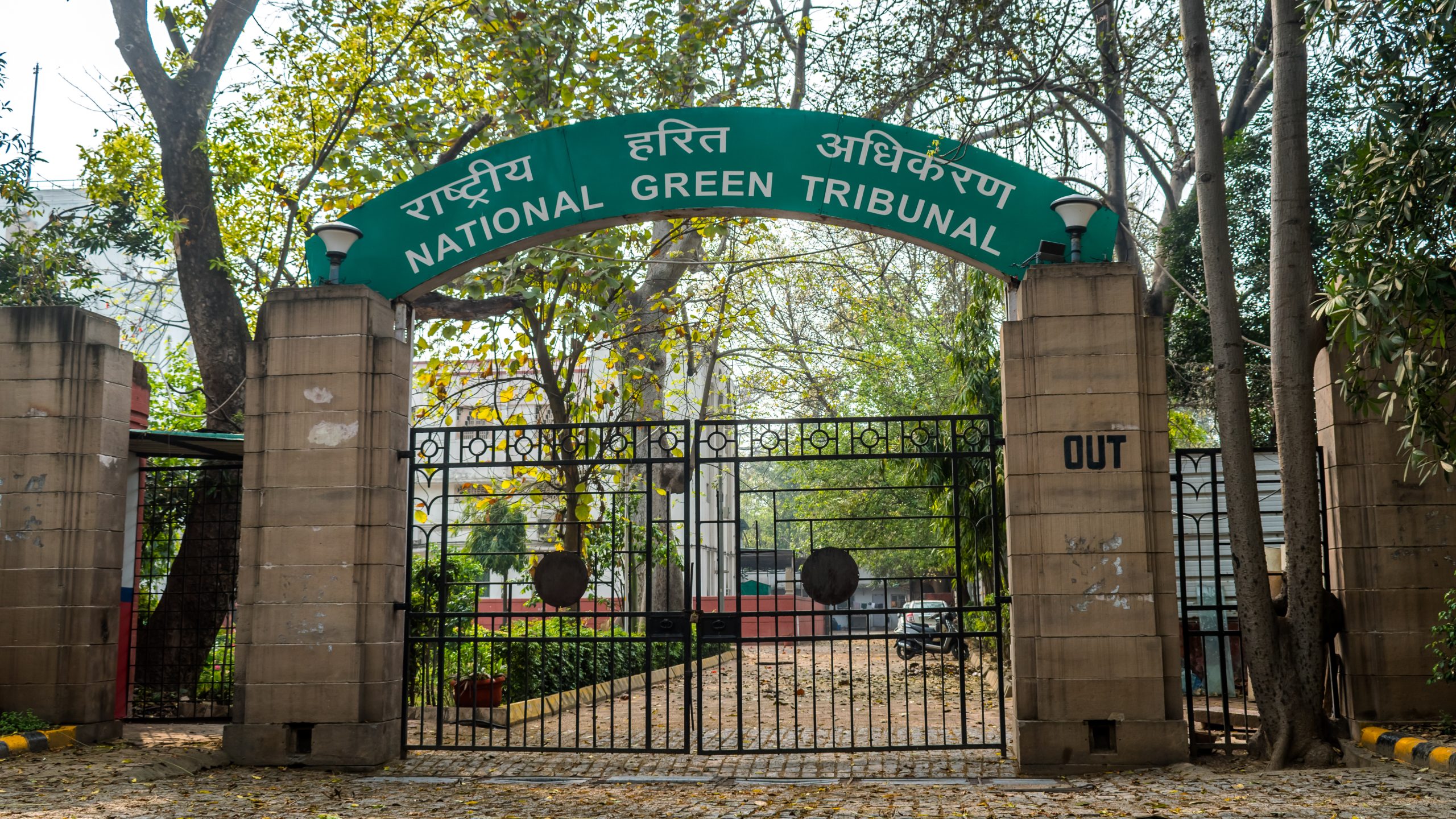
Post Facto Environmental Clearance: Whose fault Is It Anyway?
Himanshu Pabreja and Neha Miriam Kurian
Live Law | 24 August 2026
The Supreme Court recently ruled that it may grant environmental clearances ex post facto in exceptional cases where violations serve a genuine public interest. While this addresses regularisation schemes, it does not address another question: how did violations of this scale go undetected in the first place?
Opinions
Adaptation and Resilience
Environmental Governance and Policy
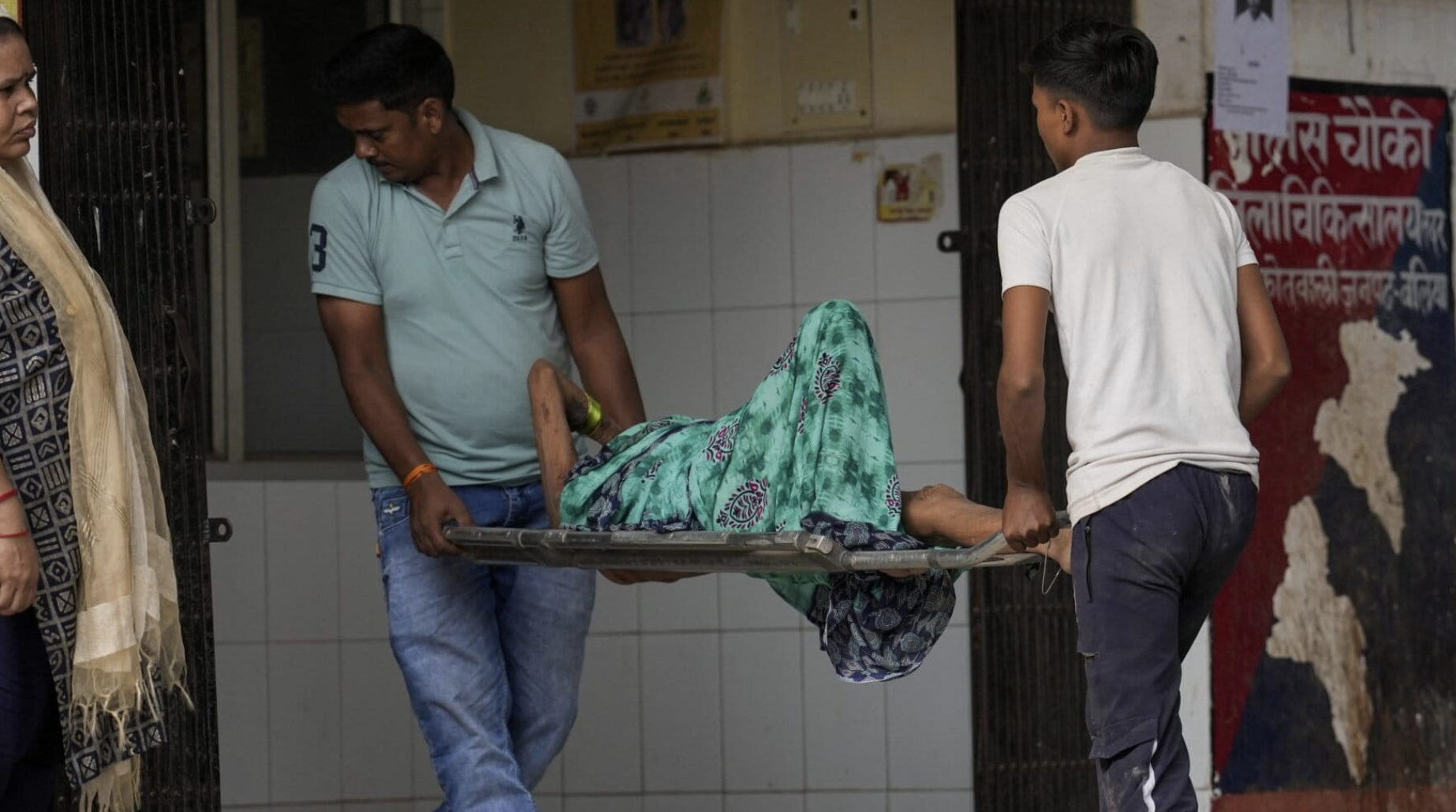
India’s heat response is missing public health logic
Purvi Patel
Mongabay India | 27 July 2026
Heat exposure may be shaped by climate, labour, urban planning, and energy systems, but its consequences ultimately manifest in human health. Unless public health outcomes become the organising principle of heat governance, rising temperatures will continue to expose the limits of our response.
Opinions
Environmental Governance and Policy
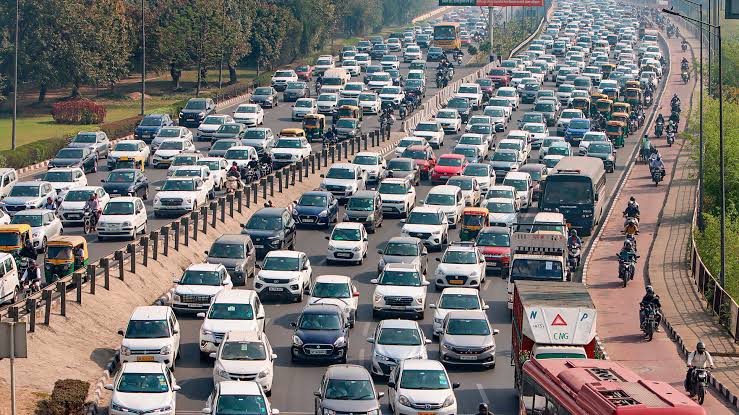
What needs to be done to make Delhi EV Policy 2.0 a success
Himanshu Pabreja and Bhargav Krishna
15 July 2026
Delhi EV Policy 2.0 is unprecedented in pace and scale for an Indian city. Its goals must be matched by the necessary infrastructure and regulatory clarity.