
EIA 2020: Two Steps Back…
Introduction
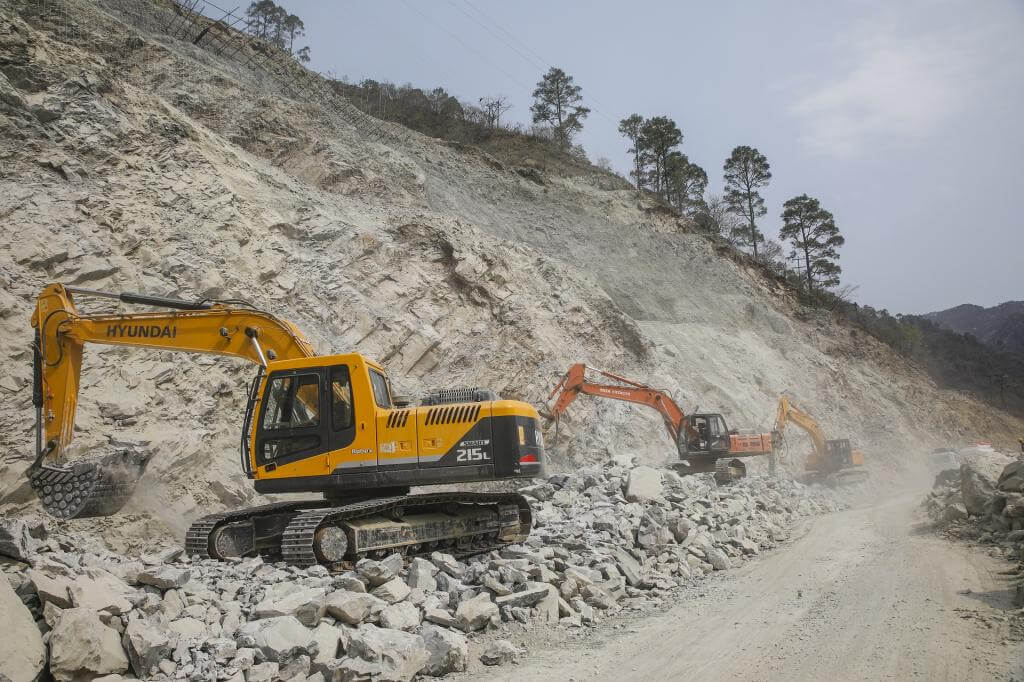
The Ministry of Environment, Forest, and Climate Change (MoEFCC) published the draft Environment Impact Assessment (EIA) Notification 2020 in the Official Gazette on 11 April 2020. If brought into force, it will replace the existing EIA Notification 2006. It has met with widespread public opposition. According to some reports, the Environment Ministry has received 17 lakh representations in response, and politicians across party lines have strongly opposed the draft. In this essay, Shibani Ghosh provides a brief overview of the environment clearance process under the EIA notification, and discusses four principal reasons why the 2020 draft is misconceived and should be withdrawn. She then contextualizes these reasons within the broader regulatory landscape of the 2006 notification. As India awaits far-reaching regulatory reforms, Ghosh proposes four ways in which the existing regulatory framework can be strengthened to achieve significant environmental and social gains.
 Download the Study

Related Publications

Opinions
Environmental Governance and Policy
Post Facto Environmental Clearance: Whose fault Is It Anyway?
Himanshu Pabreja and Neha Miriam Kurian
Live Law | 24 August 2026
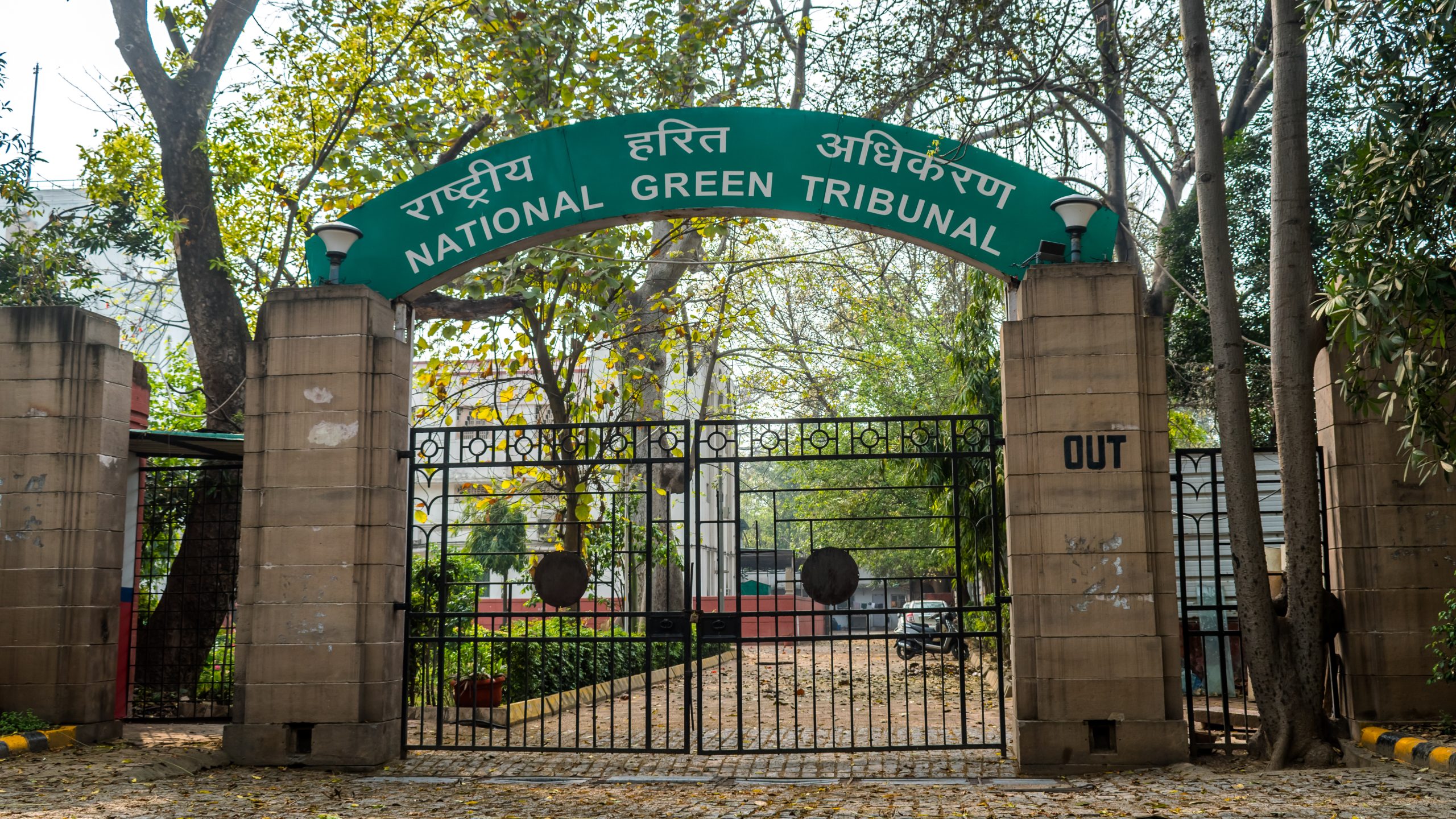
The Supreme Court recently ruled that it may grant environmental clearances ex post facto in exceptional cases where violations serve a genuine public interest. While this addresses regularisation schemes, it does not address another question: how did violations of this scale go undetected in the first place?
Opinions
Adaptation and Resilience
Environmental Governance and Policy
India’s heat response is missing public health logic
Purvi Patel
Mongabay India | 27 July 2026
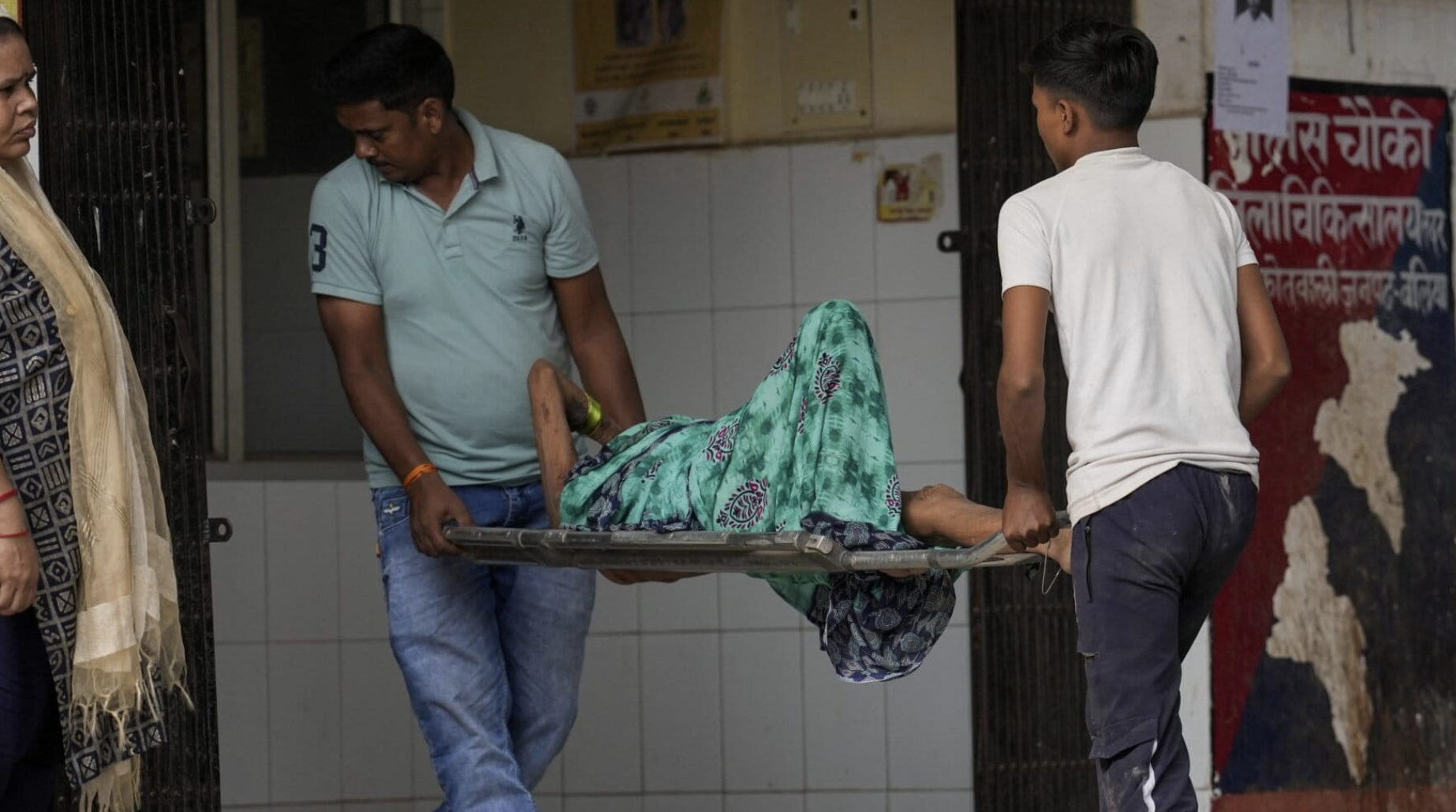
Heat exposure may be shaped by climate, labour, urban planning, and energy systems, but its consequences ultimately manifest in human health. Unless public health outcomes become the organising principle of heat governance, rising temperatures will continue to expose the limits of our response.
Opinions
Environmental Governance and Policy
What needs to be done to make Delhi EV Policy 2.0 a success
Himanshu Pabreja and Bhargav Krishna
15 July 2026
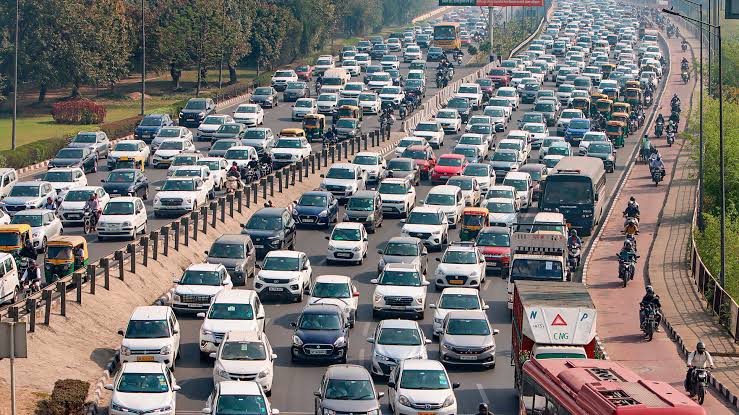
Delhi EV Policy 2.0 is unprecedented in pace and scale for an Indian city. Its goals must be matched by the necessary infrastructure and regulatory clarity.