
Migrant Workers in the Coal Mines of India: Precarity, Resilience and the Pandemic

Abstract
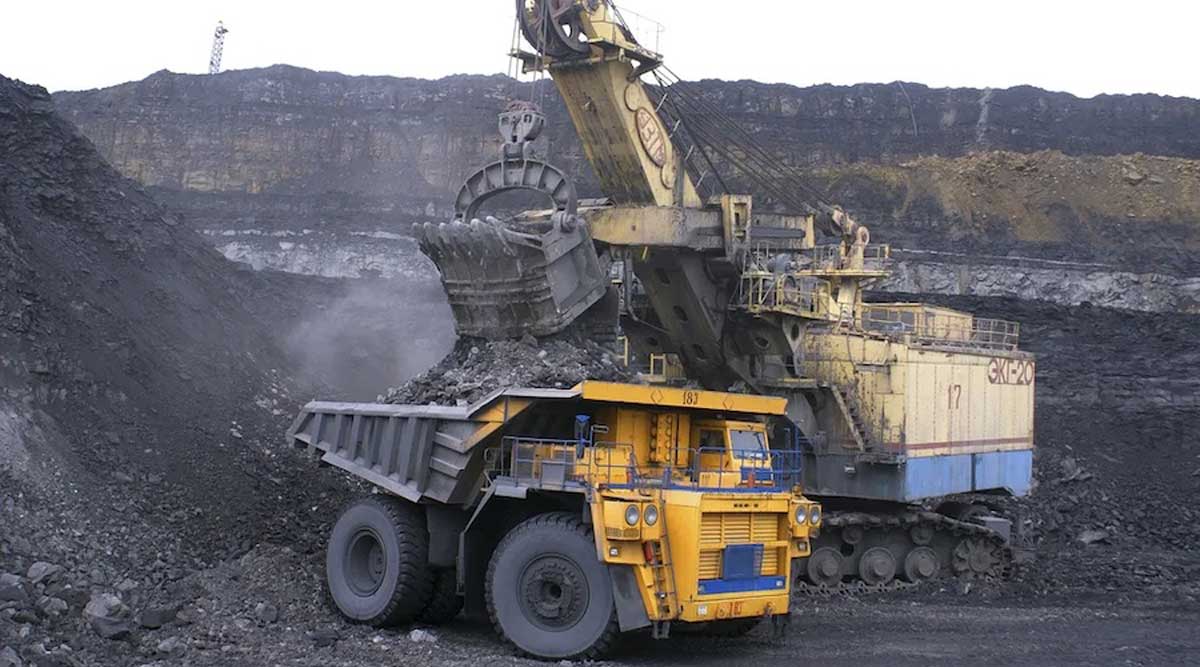
This article analyses the lived experiences of migrant workers in India under different regimes of coal mining and engages with their contemporary precarious labouring conditions and resilience. Drawing from ethnographic fieldwork undertaken in the Talcher coalfields of Odisha, I argue that the labouring lives of migrant workers from marginalised communities have been invisiblised in a ‘shadow economy’ of coal extraction through subcontracting and labour recruitment by local contractors working with state-owned coal companies. The process of invisiblisation has taken place at three levels: first, at the workplace which includes recruitment patterns, contracting systems and precarious labouring conditions inflicted by the employer; second, through the exclusion of migrant workers in the land and labour politics of local dispossessed communities for coal mining jobs; and finally, caused by the COVID-19 pandemic and the consequent lockdowns, observed as ‘invisible’ essential workers under the Essential Services Maintenance Act of 1981.
Read more
Related Publications

Opinions
Energy Transitions
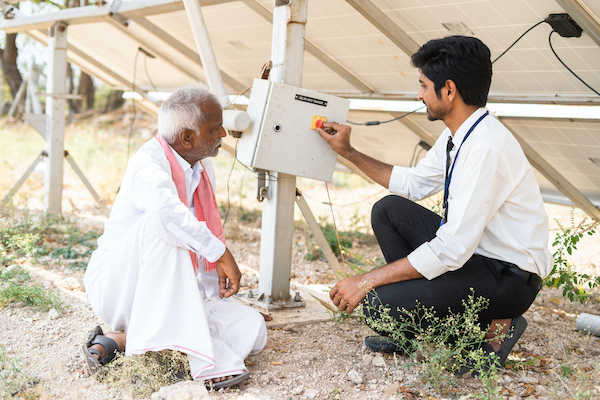
Rural Energy Must Deliver More Than Connections
Sarada Prasanna Das
BasisPoint Insight | 13 November 2026
India's rural energy transition will remain incomplete if electricity connections do not translate into better lives and stronger livelihoods. Rural energy policy must focus on productive uses, reliable supply and local institutions to turn electricity access into economic opportunity. The measure of success should be whether these systems sustain useful services and expand economic opportunity long after they are installed.
Opinions
Energy Transitions
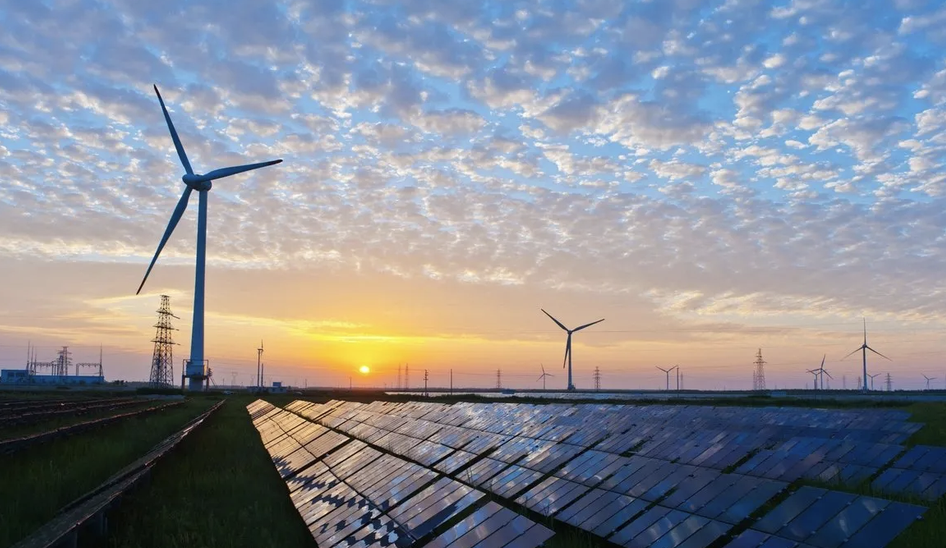
Towards the next frontiers in India’s energy transition
Sarada Prasanna Das and Shubhranshu Suman
Ideas for India | 5 October 2026
Non-fossil installed power capacity now constitutes a significant share of India’s total installed power capacity. In this post, Das and Suman argue that the next stage of India’s energy transition requires greater attention to system integration and the actual contribution of clean energy to electricity generation – while also recognising the broader socioeconomic opportunities that the transition can create.
Reports
Energy Transitions
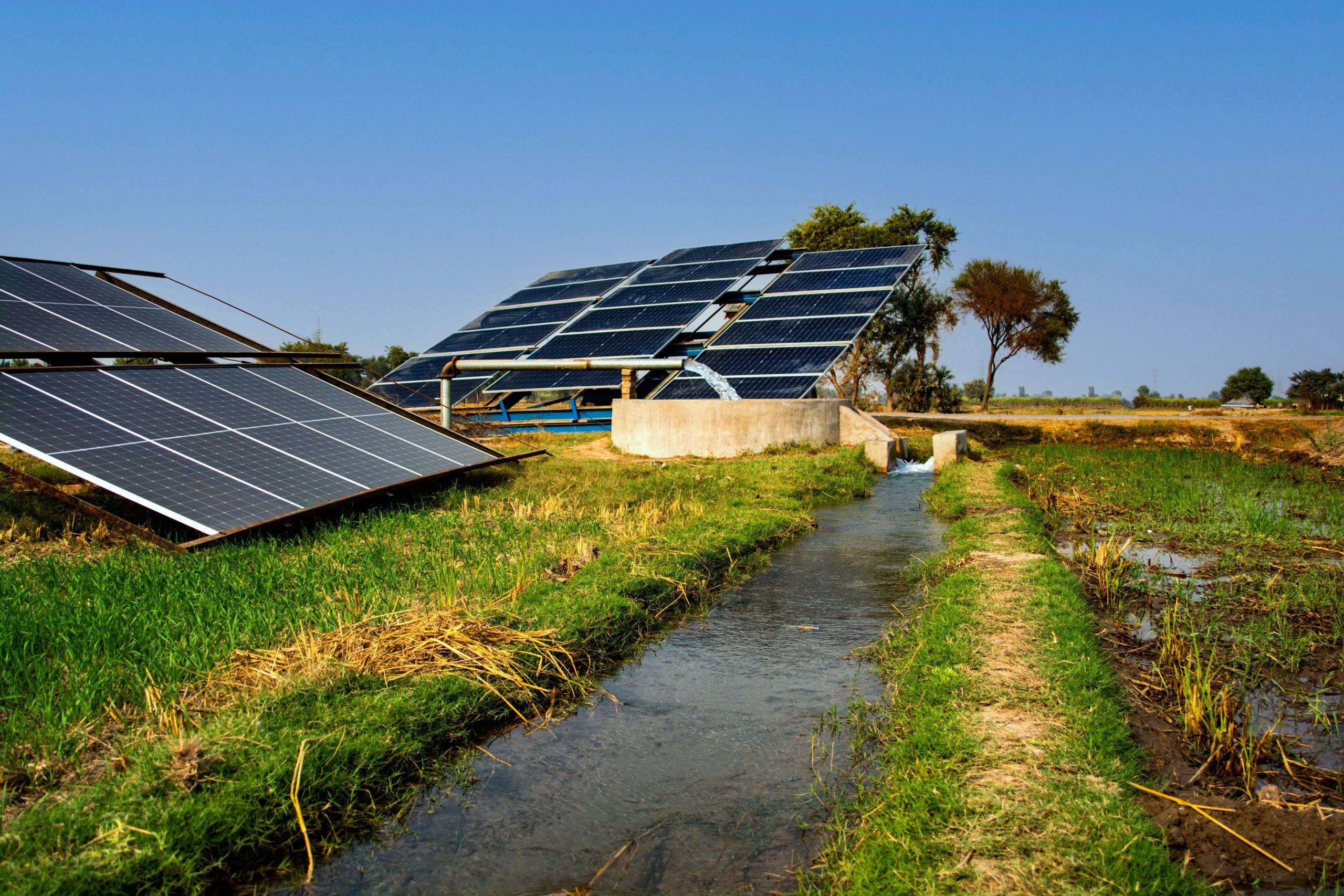
The Energy Transition in Irrigation: A Case Study on Community Solar Irrigation in Chhattisgarh
Sarada Prasanna Das, Ashwini K. Swain, and Catherine Ayallore
ETPI | 30 September 2026
Chhattisgarh is implementing India’s first large-scale, state-supported community solar irrigation scheme. This case study finds it has brought irrigation to 2,851 hectares, directly benefiting 2,740 marginal and small farmers. It examines how the scheme combines local and line department funds with state institutional support, and its potential for livelihood gains.