
National Climate Policies and Institutions
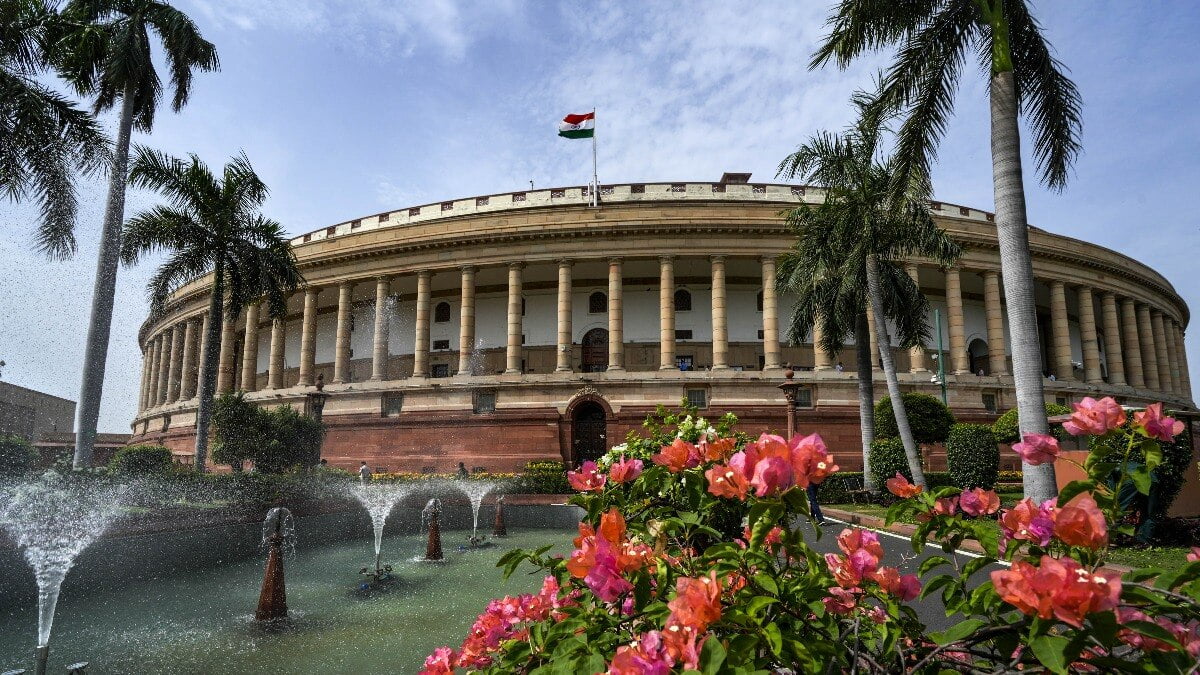
This chapter, published in ‘India in a Warming World: Integrating Climate Change and Development’, Oxford University Press, sets the stage for a discussion on policies by reviewing the emergence of national policies and national institutions. This discussion starts with the National Action Plan on Climate Change (NAPCC) and its various Missions. It discusses how Indian climate policy was frequently dictated by the pursuit of ‘co-benefits’ that bring both climate and development gains, and the emergence of a multiple objectives framing as a useful guide for policy formulation. This leads to a discussion of the formulation of India’s NDC for the Paris Agreement. Significantly, the chapter also covers the spread of climate institutions, which while weak and in their early stages, provide the spaces within which climate discussion is likely to be mainstreamed, if at all, in coming years.
 Download the Study


Related Publications

Reports
Climate Policy
How Can India Align Its Clean Energy Innovations with Its Ambitions? An Assessment of Public RD&D Investments and Activities
Kashmeera Patel, Easwaran J Narassimhan, and Aman Srivastava
15 October 2026
This report examines India’s public clean energy RD&D investments across six key technologies to assess whether public cleantech RD&D innovations align with its broader clean energy, industrial, and climate ambitions.

Climate Policy
Climate Litigation and Democratic Governance in India
Shibani Ghosh
International IDEA | 5 October 2026
Climate litigation is emerging as an important avenue for addressing environmental harms and strengthening accountability in India. As climate-related challenges intensify, courts are increasingly being called upon to consider how constitutional rights, environmental protection, and democratic governance intersect. This case study examines the evolving climate litigation landscape in India and explores its implications for public participation, access to justice, and government accountability. It is part of a series on climate litigation and democracy in Asia and the Pacific, which examines how legal action is shaping participation, accountability, and rights-based responses to climate change.

Issue Briefs
Climate Policy
India’s Electric Vehicle Ecosystem: Stuttering Transition or Strategic Reorientation?
Arunesh Karkun, Kashmeera Patel, Aman Srivastava, and Easwaran J Narassimhan
11 August 2026
An analysis of the evolution of India’s EV policy landscape, the current state of domestic manufacturing, and the strengths and limitations of its RD&D ecosystem.