
Protecting Power: The Politics of Partial Reforms in Punjab
Summary
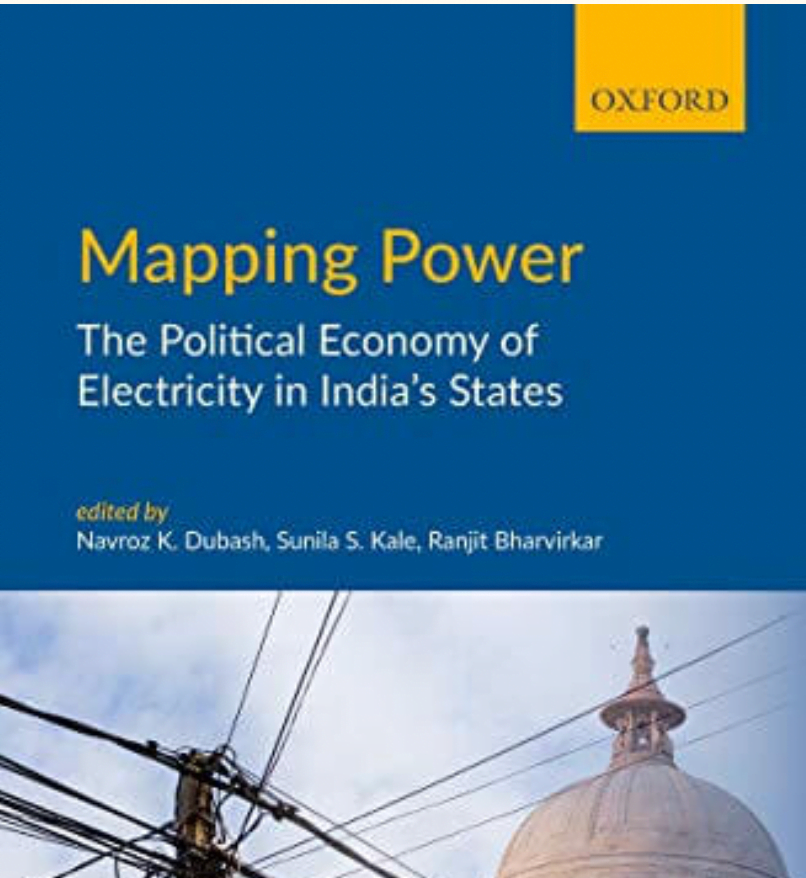
Punjab’s power sector, known for its agricultural embeddedness and chronic subsidy challenges, was one of the least attractive and pragmatic choices for reform advocates. Considering a feeble external push and forceful internal resistance, the state has undertaken partial electricity reforms to comply with legislative mandates from the central government. Despite limited reforms, Punjab has made substantive progress on electricity access, quality of supply, and some operational efficiencies. This chapter in ‘Mapping Power: The Political Economy of Electricity in India’s States’ analyses how the power sector has evolved in Punjab, especially through institutional restructuring and policy reforms, with the objective to examine the policy choices, outcomes, winners, and losers at the state level. It analyses the political–economic drivers for these policy choices and how they deviate from or comply with signals from the central government. Building on these findings, it also discusses the implications of past experiences and prevailing power dynamics for ongoing and future reforms.
 Download the Study

Related Publications

Opinions
Energy Transitions
Rural Energy Must Deliver More Than Connections
Sarada Prasanna Das
BasisPoint Insight | 13 November 2026
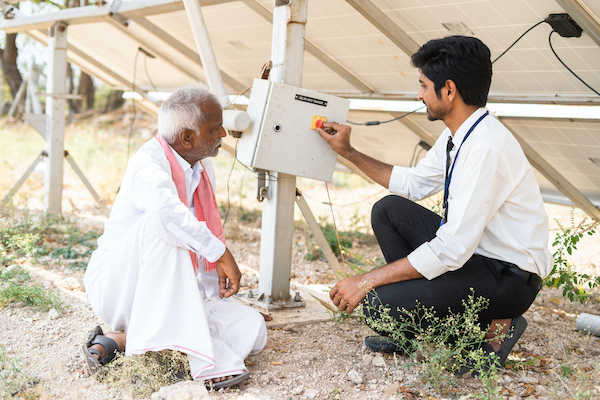
India's rural energy transition will remain incomplete if electricity connections do not translate into better lives and stronger livelihoods. Rural energy policy must focus on productive uses, reliable supply and local institutions to turn electricity access into economic opportunity. The measure of success should be whether these systems sustain useful services and expand economic opportunity long after they are installed.
Opinions
Energy Transitions
Towards the next frontiers in India’s energy transition
Sarada Prasanna Das and Shubhranshu Suman
Ideas for India | 5 October 2026
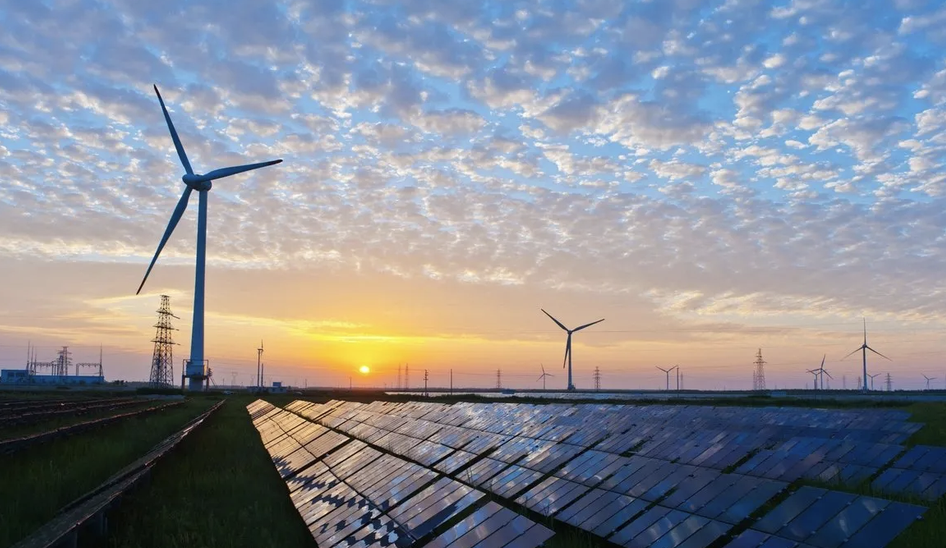
Non-fossil installed power capacity now constitutes a significant share of India’s total installed power capacity. In this post, Das and Suman argue that the next stage of India’s energy transition requires greater attention to system integration and the actual contribution of clean energy to electricity generation – while also recognising the broader socioeconomic opportunities that the transition can create.
Reports
Energy Transitions
The Energy Transition in Irrigation: A Case Study on Community Solar Irrigation in Chhattisgarh
Sarada Prasanna Das, Ashwini K. Swain, and Catherine Ayallore
ETPI | 30 September 2026
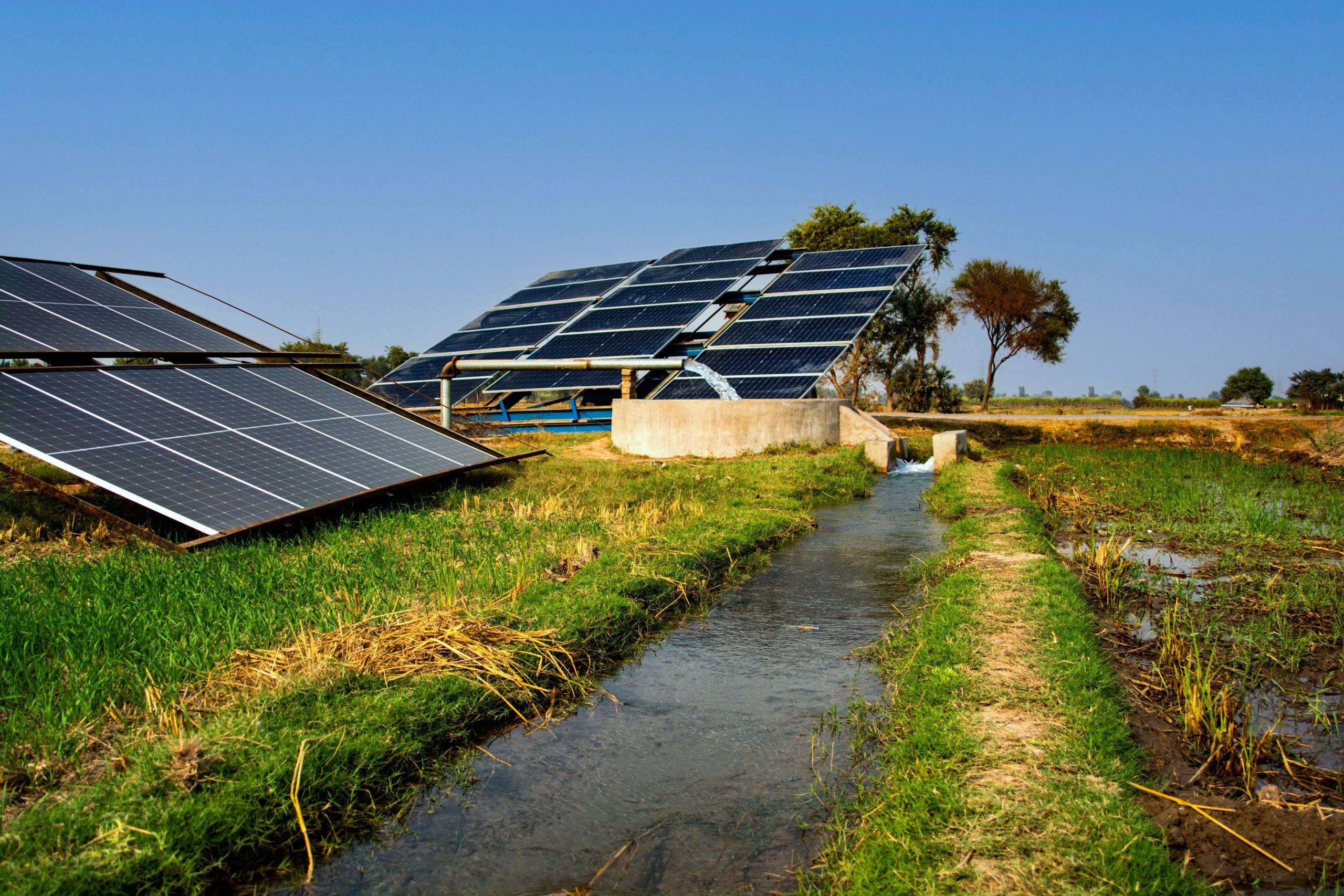
Chhattisgarh is implementing India’s first large-scale, state-supported community solar irrigation scheme. This case study finds it has brought irrigation to 2,851 hectares, directly benefiting 2,740 marginal and small farmers. It examines how the scheme combines local and line department funds with state institutional support, and its potential for livelihood gains.