
Climate Policy , Energy Transitions , Environmental Governance and Policy
| Penguin India |1 February 2019
The Ecological Costs of Doing Business: Environment, Energy and Climate Change
Summary
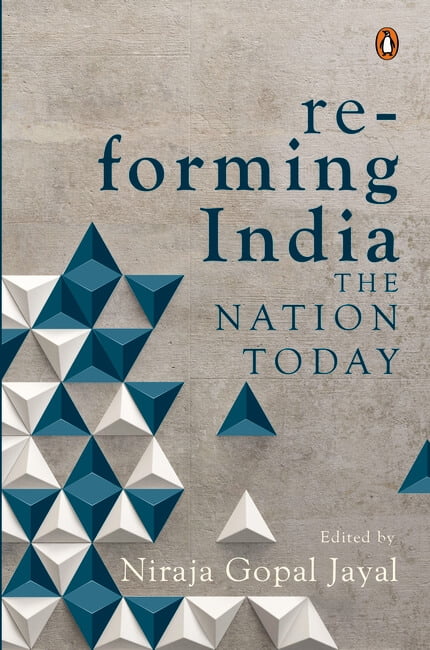
What perspective did the BJP government bring to the link between environment, energy and climate change on the one hand and development on the other, and what consequent actions has it taken? In this essay published in ‘Re-forming India: The Nation Today’, Penguin India, the authors assess the government’s actions in areas of environment, energy and climate change with a view to interpreting its track record.
Focusing less on environmental outcomes and more on the changes in direction introduced by the government, Dubash and Ghosh explore four themes. First, they examine the government’s focus on the ‘cost of doing business’ and ask whether reducing this cost has come at an environmental price. Second, they analyse cases in which an environment and energy agenda was driven by political imperatives, such as around energy access or Ganga rejuvenation. Third, they explore whether and how the government has addressed the emergent big picture environment and energy questions that will shape India’s future, beyond immediate regulatory changes. Finally, they examine its diplomacy in the areas of climate change and energy, and reflect on what the accumulated record implies in terms of India’s environmental governance.
 Download the Study


Related Publications

Opinions
Energy Transitions
Rural Energy Must Deliver More Than Connections
Sarada Prasanna Das
BasisPoint Insight | 13 November 2026
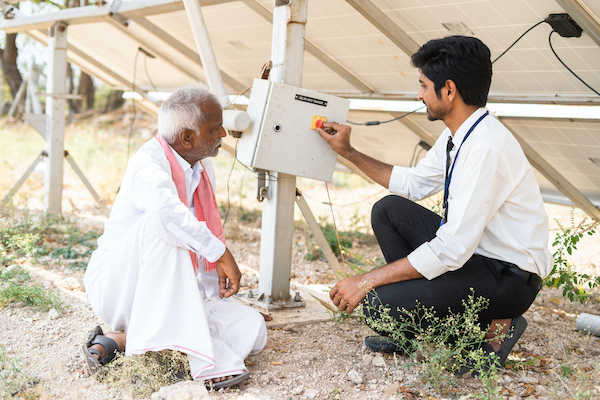
India's rural energy transition will remain incomplete if electricity connections do not translate into better lives and stronger livelihoods. Rural energy policy must focus on productive uses, reliable supply and local institutions to turn electricity access into economic opportunity. The measure of success should be whether these systems sustain useful services and expand economic opportunity long after they are installed.
Reports
Climate Policy
How Can India Align Its Clean Energy Innovations with Its Ambitions? An Assessment of Public RD&D Investments and Activities
Kashmeera Patel, Easwaran J Narassimhan, and Aman Srivastava
15 October 2026
This report examines India’s public clean energy RD&D investments across six key technologies to assess whether public cleantech RD&D innovations align with its broader clean energy, industrial, and climate ambitions.
Opinions
Energy Transitions
Towards the next frontiers in India’s energy transition
Sarada Prasanna Das and Shubhranshu Suman
Ideas for India | 5 October 2026
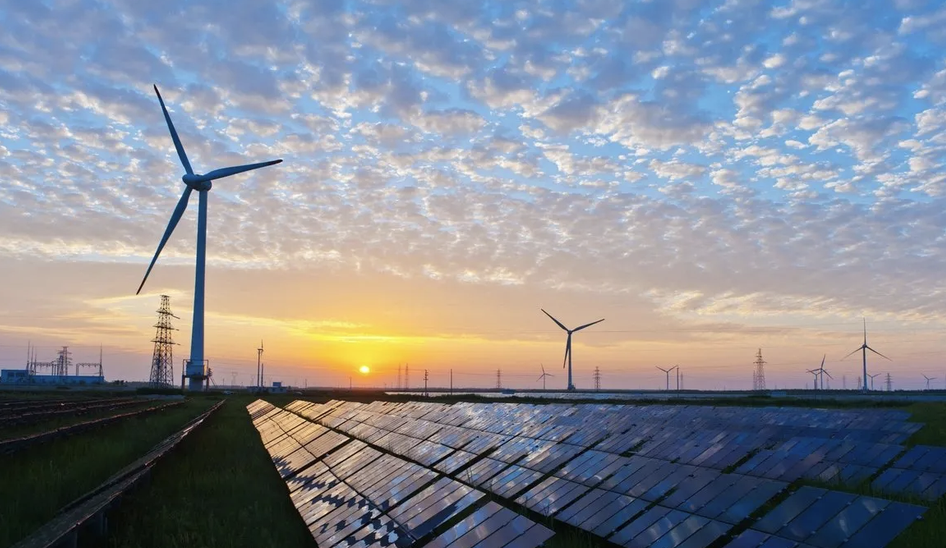
Non-fossil installed power capacity now constitutes a significant share of India’s total installed power capacity. In this post, Das and Suman argue that the next stage of India’s energy transition requires greater attention to system integration and the actual contribution of clean energy to electricity generation – while also recognising the broader socioeconomic opportunities that the transition can create.