Sarath K Guttikunda, Sai Krishna Dammalapati, Gautam Pradhan, Bhargav Krishna, Hiren T Jethwa and Puja Jawahar

What Is Polluting Delhi’s Air? A Review from 1990 to 2022
Introduction
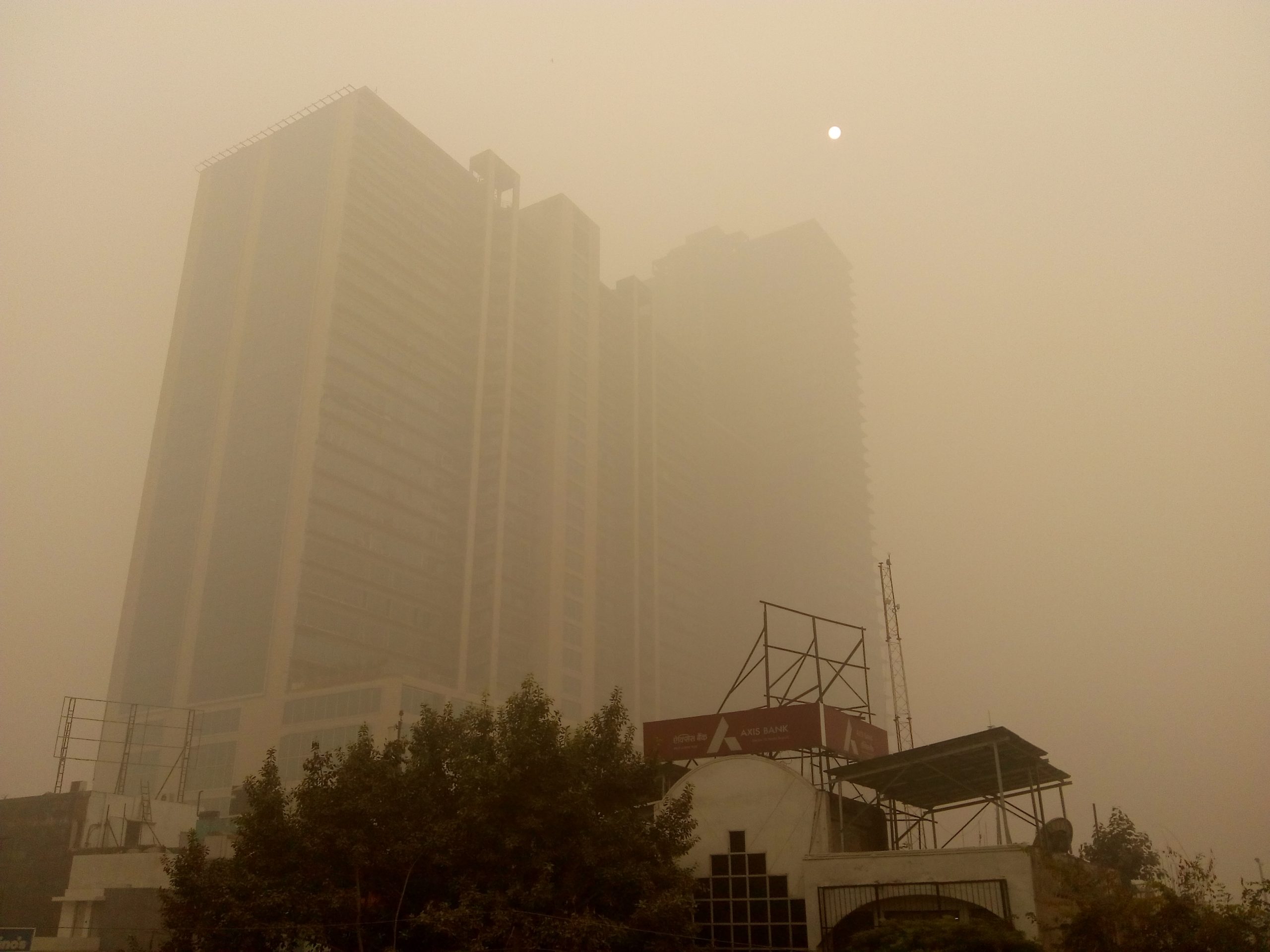
Delhi’s annual average PM2.5 concentration in 2021–22 was 100 μg/m3—20 times more than the WHO guideline of 5 μg/m3. This is an improvement compared to the limited information available for the pre-CNG-conversion era (~30%), immediately before and after 2010 CWG (~28%), and the mid-2010s (~20%). These changes are a result of continuous technical and economic interventions interlaced with judicial engagement in various sectors. Still, Delhi is ranked the most polluted capital city in the world. Delhi’s air quality is a major social and political concern in India, often with questions regarding its severity and primary sources, and despite several studies on the topic, there is limited consensus on source contributions. This paper offers insight by reviewing the influence of Delhi’s urban growth since 1990 on pollution levels and sources and the evolution of technical, institutional, and legal measures to control emissions in the National Capital Region of Delhi.
 Download the Study

Related Publications

Opinions
Environmental Governance and Policy
Post Facto Environmental Clearance: Whose fault Is It Anyway?
Himanshu Pabreja and Neha Miriam Kurian
Live Law | 24 August 2026
The Supreme Court recently ruled that it may grant environmental clearances ex post facto in exceptional cases where violations serve a genuine public interest. While this addresses regularisation schemes, it does not address another question: how did violations of this scale go undetected in the first place?
Opinions
Adaptation and Resilience
Environmental Governance and Policy
India’s heat response is missing public health logic
Purvi Patel
Mongabay India | 27 July 2026
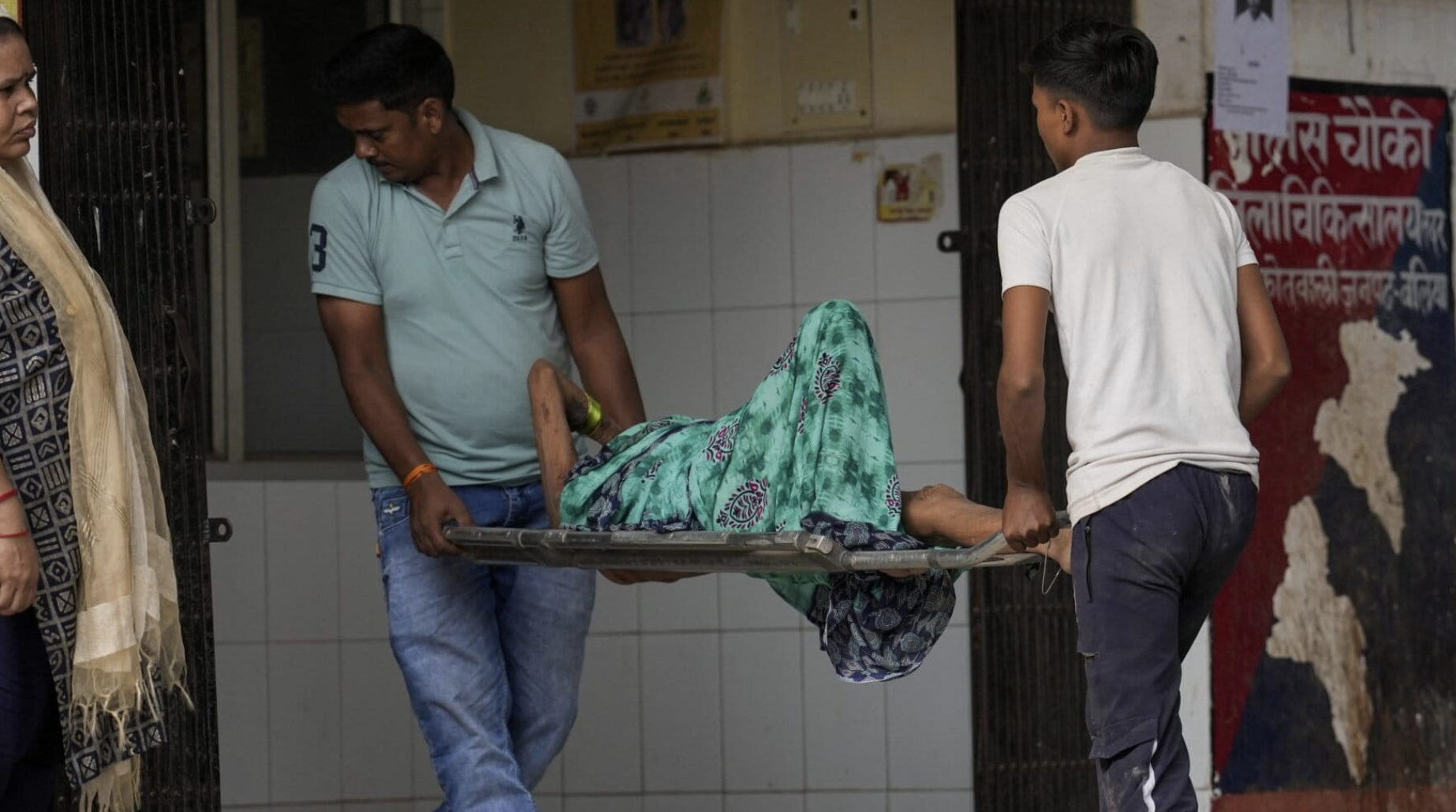
Heat exposure may be shaped by climate, labour, urban planning, and energy systems, but its consequences ultimately manifest in human health. Unless public health outcomes become the organising principle of heat governance, rising temperatures will continue to expose the limits of our response.

Opinions
Environmental Governance and Policy
What needs to be done to make Delhi EV Policy 2.0 a success
Himanshu Pabreja and Bhargav Krishna
15 July 2026
Delhi EV Policy 2.0 is unprecedented in pace and scale for an Indian city. Its goals must be matched by the necessary infrastructure and regulatory clarity.