Mapping Global Energy Governance

Introduction

The challenges inherent in energy policy form an increasingly large proportion of the great issues of global governance. These energy challenges reflect numerous transnational market or governance failures, and their solutions are likely to require a number of global components that can support or constrain national energy policy. Governing energy globally requires approaches that can simultaneously cope with three realities: the highly fragmented and conflictual nature of the current inter-state system’s efforts to govern energy; the diversity of institutions and actors relevant to energy; and the dominance of national processes of energy decision making that are not effectively integrated into global institutions.

Download Download the Study

Environmentalism in the Age of Climate Change

Introduction

In this article, Dubash examines the tensions and challenges of Indian – and indeed Southern – environmentalism in an age of climate change. Like no other single issue, climate change has brought environmentalism into the political mainstream. Commerce and finance ministers increasingly register their presence at global environmental negotiations. Climate change is high up the agenda of mainstream global talk shops from the G-8 to Davos. In India, climate change has become a bone of foreign policy contention, and opinion columns are filled with climate commentaries, including by those who have demonstrated little interest in the subject before.

Download Download the Study

Regulatory Practice and Politics: Lessons from Independent Regulation in Indian Electricity

Summary

Although independent regulatory agencies are emerging worldwide, there remains little understanding about how they operate in practice, particularly in developing countries. This paper seeks to examine the practice of electricity regulation in India, using case studies of three state-level electricity regulators. Based on documentary analysis and interviews with regulators, government, utilities and stakeholders, the paper examines how regulation is shaped by institutional and political context, how regulators make decisions in practice, and how they engage with stakeholders and with what effects. Based on the Indian experience, we suggest that in a rapidly changing electricity sector, the separation between the political and economic content of regulatory decisions, as is often advocated, may not be feasible or indeed desirable. Instead, we suggest a more proactive regulatory approach where governments give regulators the latitude to proactively steer the sector. For this approach to be viable, regulators need to build adequate technical capacity, institutional legitimacy, and democratic legitimacy in their dealings with stakeholders. This approach entails a bolder, and more challenging vision of regulation, but one that promises greater transformational potential than does the model of technocratic and apolitical regulation.

Download Download the Study

A Watershed in Global Governance: An Independent Assessment of the World Commission on Dams

Introduction

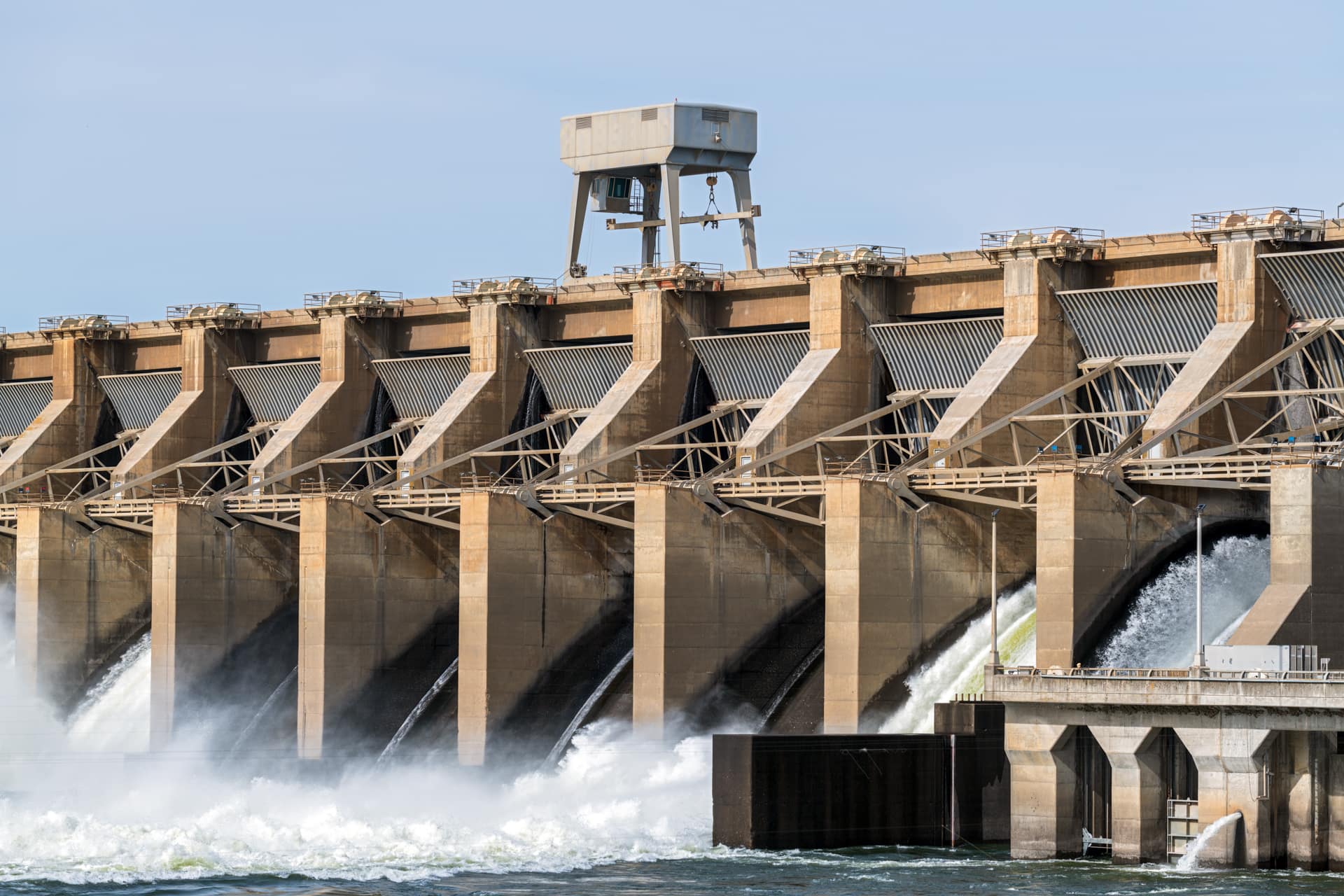
The World Commission on Dams (WCD) was a self-styled “experiment” in global public policy-making. It was set up to produce a set of international guidelines for the design, construction, operation and decommissioning of large dams and options on their alternatives. The WCD undertook this task over two years, with a pledge to be independent, transparent, inclusive and representative of a diverse body of stakeholders. Participants in the process have included dam-building companies, multilateral development banks, affected people’s groups and other non-governmental organizations, private consultants, and the public at large.

Download Download the Study