
Energy Transitions
| ETPI |27 April 2026
Governing India’s Just Energy Transition: The Case of Jharkhand’s Task Force on Sustainable Just Transition
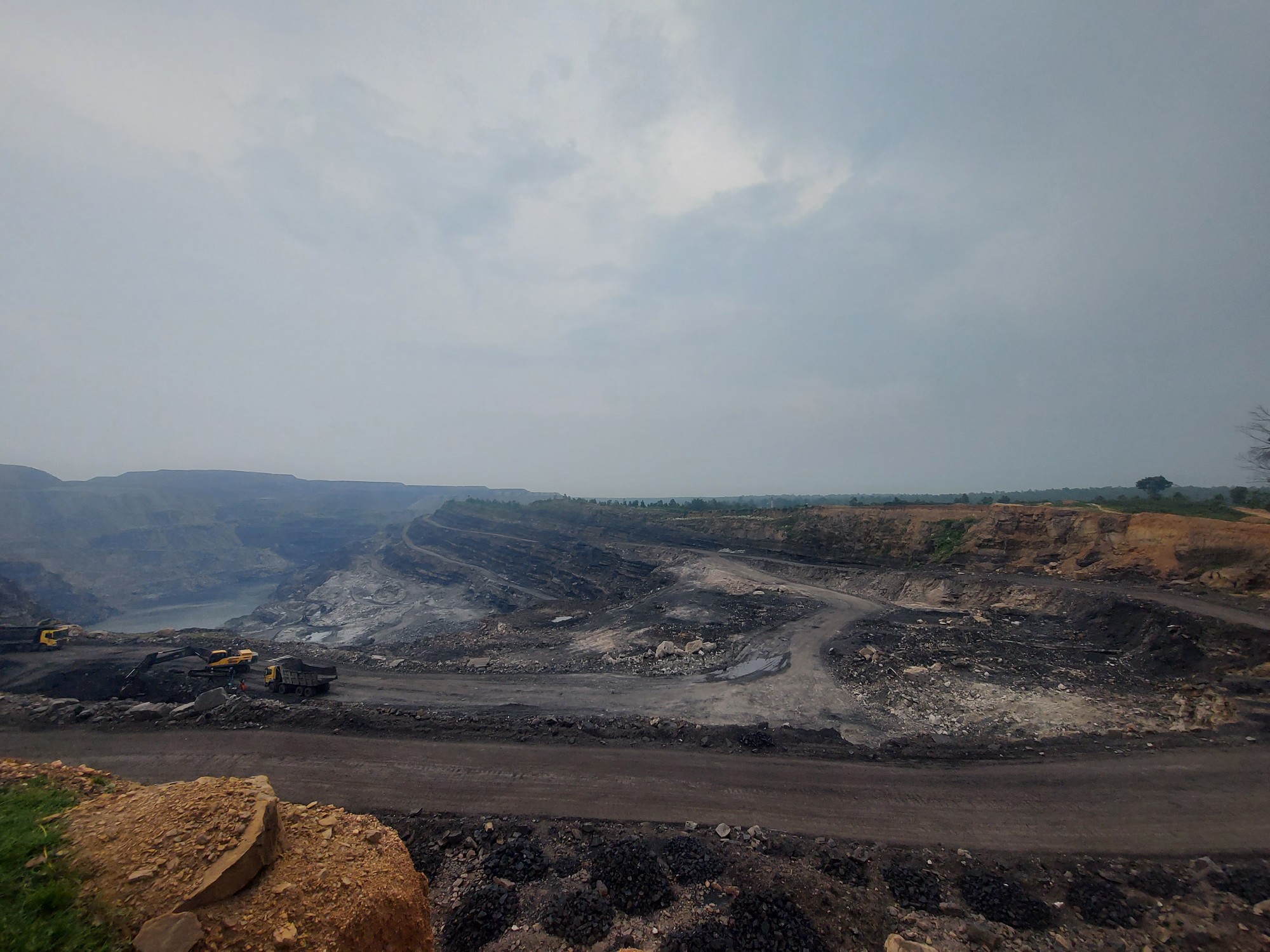
Credits: Rashi Agarwal
Highlights
– At present, the governance of the energy transition is nested within broader climate governance frameworks and lacks a dedicated national policy or institutional architecture. As a result, state-level preparations remain limited, and just transition objectives are not systematically integrated into policies, planning processes, or intergovernmental coordination mechanisms.
– India’s energy transition is bound to be shaped by developments at the subnational level, particularly in the coal-dependent eastern states, where the economic, social, and fiscal impacts of the transition are most acute. Subnational institutional governance is therefore essential to ensure a just energy transition.
– This study takes the example of Jharkhand’s Task Force on Sustainable Just Transition, a first-of-its-kind institution established to address social and economic issues while guiding the state towards a low-carbon economy aligned with national climate goals.
– Using the Task Force as an example of an enabling institution, the study identifies key institutional challenges and draws lessons for other states to strengthen subnational preparedness, policy alignment, capacity, coordination, participation, and data systems for a just energy transition.