
Adaptation and Resilience
| The Salata Institute for Climate and Sustainability |21 April 2026
Heat Action Plans: A Cautionary Note and a Way Forward
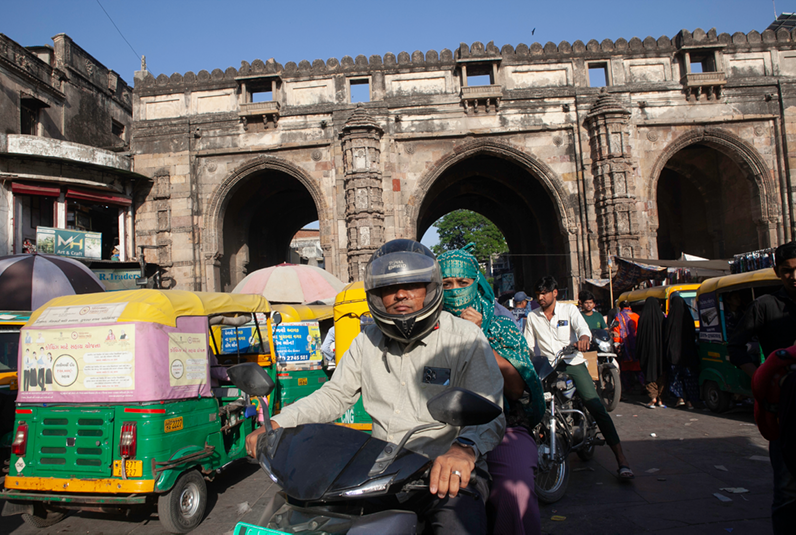
Source: David Trilling
Introduction
Heat extremes have given rise to a new tool in public policy: the heat action plan. They define when and how the state should react to extreme heat and feature a script of actions that stretch across the breadth of government machinery. They are ambitious in scope, linking science, early warning systems, emergency aid, infrastructure change and coordinating institutions together.
Reviews of heat plans in democracies across the world suggest that they generally lack legislative or financial backing, which makes them less likely to be implemented. A recent analysis of the implementation of heat plans in India, a country recognised as an early mover in heat planning, showed that the plans focus on important short-term emergency responses to heat (such as on water stations or on the designation of public cooling), while falling short in the implementation of long-term structural changes such as increasing shade coverage, changing building codes, or preparing the grid for future cooling demand.
An important area of future research is to find how common this focus on the short-term is across developing countries, where larger shares of the population are heat-exposed, and state capacity is low. While the contents of heat action plans have been reviewed across regions, far fewer studies examine their implementation. Social scientists and policy researchers must offer closer inspections of their actual effects on historical rhythms of summertime governance.
This essay is part of the white paper, ‘Critical Perspectives on Extreme Heat in India’ by the Salata Institute’s Climate Adaptation in South Asia research cluster.