Marie-Hélène Zérah and Sarada Prasanna Das

Solar Rooftop Systems and the Urban Transition: Shall the Twain Ever Meet? Interrogations from Rewari, India
Summary
India is facing two major transitions. In 2040, its energy demand will double while 800 million Indians will live in cities by 2050. Situated at this intersection, this article contributes to the field of urban energy research by looking at Solar Rooftop Systems (SRS) in a district located in the extended periphery of Delhi. Using a multi-pronged qualitative methodology in a corridor made of villages and small towns, we argue that public policies are framed applying a rigid territorial grid opposing urban and rural, ignoring the motivations of both residential and professional users, which are not bounded by the rural/urban binary. This disjunction explains that renewable energy does not lead to a new imagination of urban and energy systems. These two fields remain disconnected while solar energy fuels consumption and the city expansion in its peripheries. Finally, the observed variegated urban energy landscapes (UEL) embody a land and energy intensive form of urban growth.
 Download the Study

Related Publications

Opinions
Energy Transitions
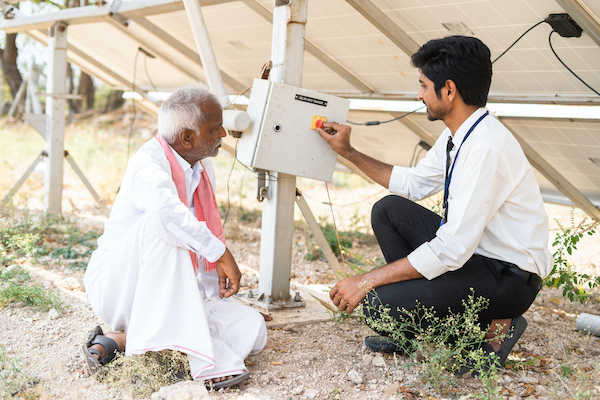
Rural Energy Must Deliver More Than Connections
Sarada Prasanna Das
BasisPoint Insight | 13 November 2026
India's rural energy transition will remain incomplete if electricity connections do not translate into better lives and stronger livelihoods. Rural energy policy must focus on productive uses, reliable supply and local institutions to turn electricity access into economic opportunity. The measure of success should be whether these systems sustain useful services and expand economic opportunity long after they are installed.
Opinions
Energy Transitions
Towards the next frontiers in India’s energy transition
Sarada Prasanna Das and Shubhranshu Suman
Ideas for India | 5 October 2026
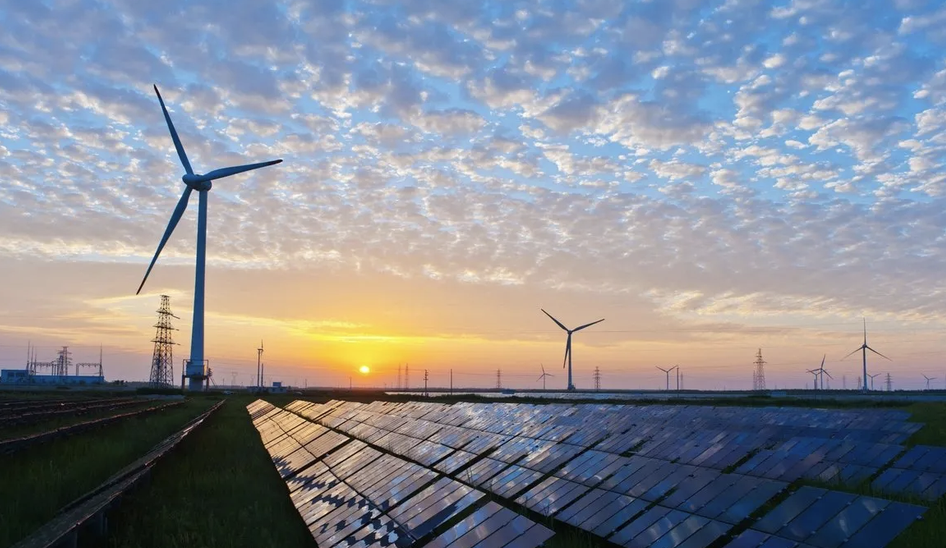
Non-fossil installed power capacity now constitutes a significant share of India’s total installed power capacity. In this post, Das and Suman argue that the next stage of India’s energy transition requires greater attention to system integration and the actual contribution of clean energy to electricity generation – while also recognising the broader socioeconomic opportunities that the transition can create.
Reports
Energy Transitions
The Energy Transition in Irrigation: A Case Study on Community Solar Irrigation in Chhattisgarh
Sarada Prasanna Das, Ashwini K. Swain, and Catherine Ayallore
ETPI | 30 September 2026
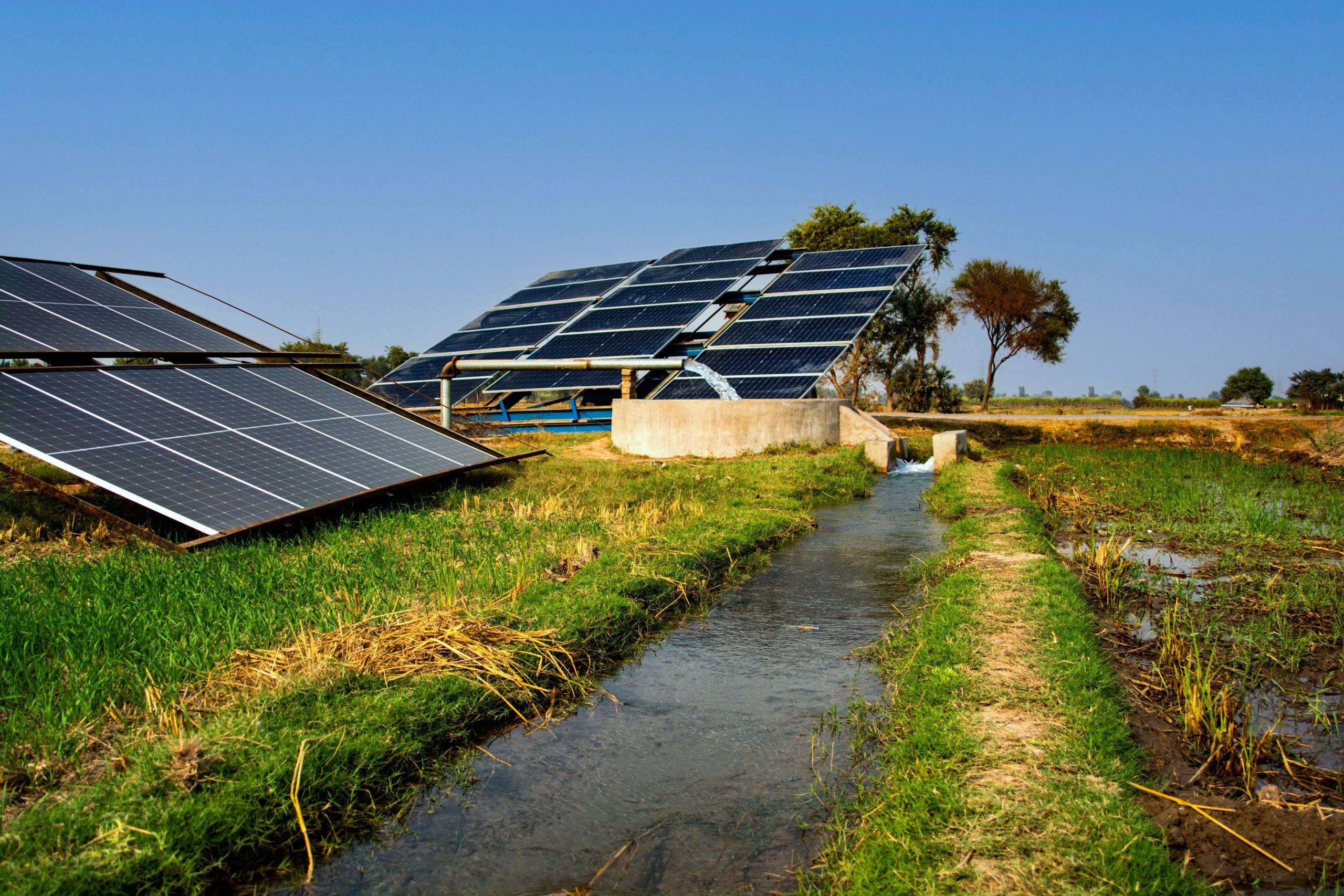
Chhattisgarh is implementing India’s first large-scale, state-supported community solar irrigation scheme. This case study finds it has brought irrigation to 2,851 hectares, directly benefiting 2,740 marginal and small farmers. It examines how the scheme combines local and line department funds with state institutional support, and its potential for livelihood gains.