
State’s Commitment to Environmental Governance in India: Struggle Between Developmental Pressure and Sustainability Challenges

Summary
Over the last 50 years since environmentalism first exploded onto the world political agenda, the environment has been one of the most controversial and rapidly growing areas of public policy. The green movements in North and local grass-root movements in the South countries have elevated the debate for environmental policymaking and governance. Countries in both North and South have enacted several policies and regulations for environmental protection. However, these policies have been criticized due to their superficial protective coverage, absence of concrete measures and poor execution.
Taking these contexts in the background, this chapter has tried to examine the concept and practice of environmental governance in India. It has provided a historical overview of the environmental governance and also highlighted the challenges and opportunities in the different spheres of environmental decision making by taking some examples. Methodologically, the paper would be based on a path-dependent analysis of the environmental governance in India. This chapter argues that balance in the environment-development trade-off is necessary to meet growth objectives and the enforcement measures do not necessarily obstruct the growth. Further, more public engagement as well as creative politics are required for better environmental decision making.
 Download the Study

Related Publications

Opinions
Environmental Governance and Policy
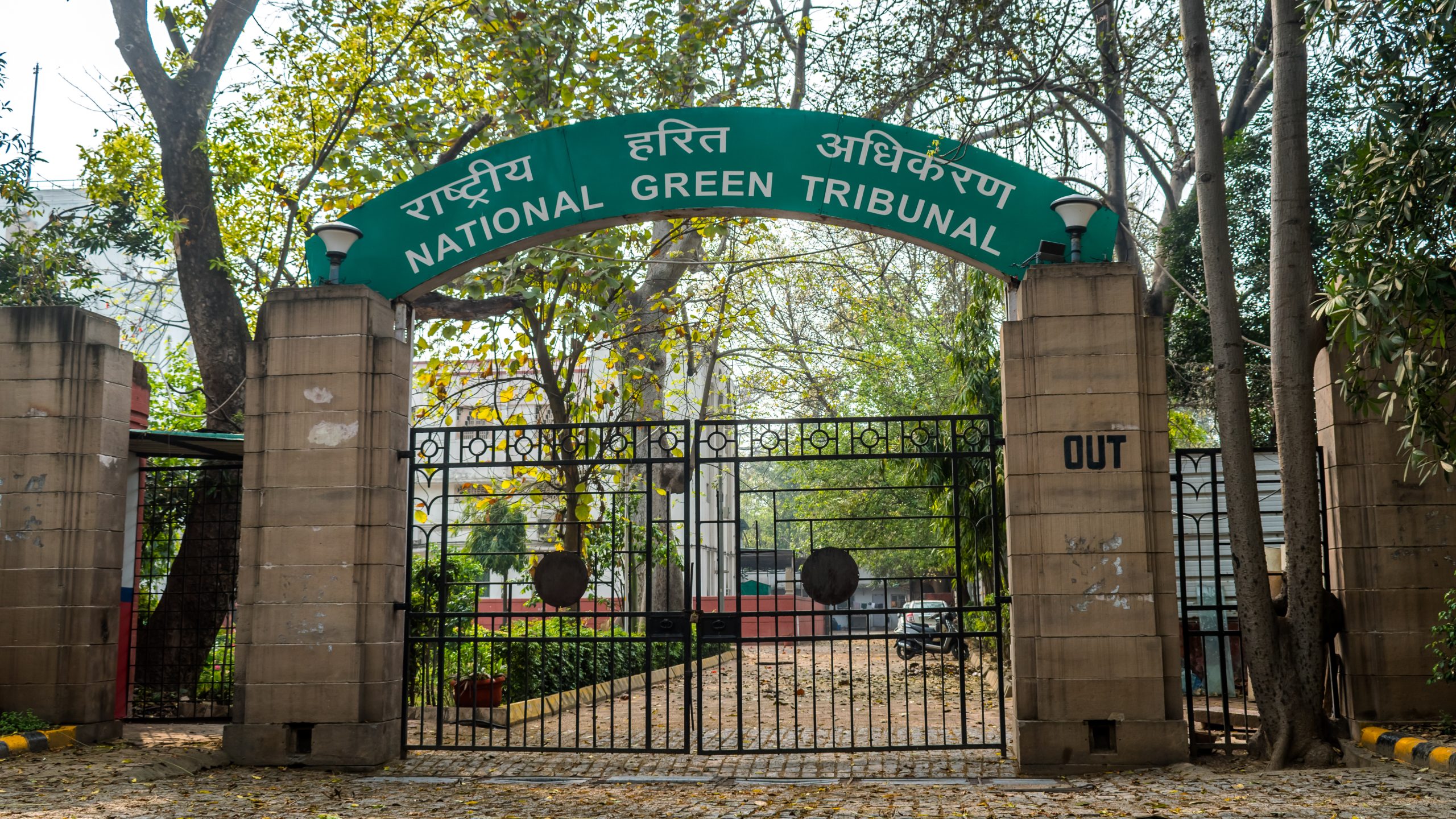
Post Facto Environmental Clearance: Whose fault Is It Anyway?
Himanshu Pabreja and Neha Miriam Kurian
Live Law | 24 August 2026
The Supreme Court recently ruled that it may grant environmental clearances ex post facto in exceptional cases where violations serve a genuine public interest. While this addresses regularisation schemes, it does not address another question: how did violations of this scale go undetected in the first place?

Opinions
Adaptation and Resilience
Environmental Governance and Policy
India’s heat response is missing public health logic
Purvi Patel
Mongabay India | 27 July 2026
Heat exposure may be shaped by climate, labour, urban planning, and energy systems, but its consequences ultimately manifest in human health. Unless public health outcomes become the organising principle of heat governance, rising temperatures will continue to expose the limits of our response.
Opinions
Environmental Governance and Policy
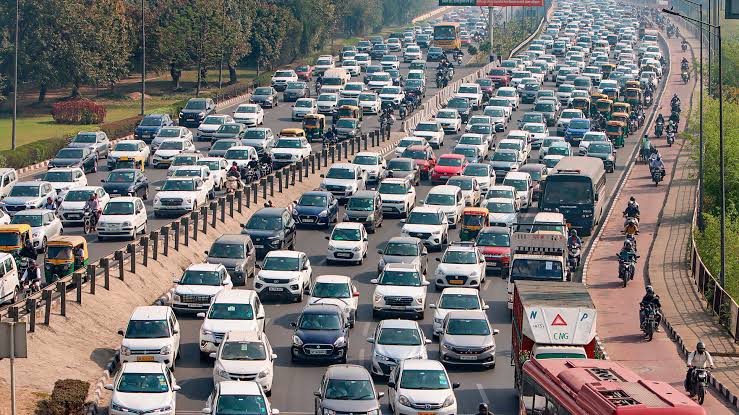
What needs to be done to make Delhi EV Policy 2.0 a success
Himanshu Pabreja and Bhargav Krishna
15 July 2026
Delhi EV Policy 2.0 is unprecedented in pace and scale for an Indian city. Its goals must be matched by the necessary infrastructure and regulatory clarity.