Aman Srivastava, Srishti Jain, Sangeeth Raja Selvaraju, Heiner von Luepke, Emil Huth

The Regulatory and Market Landscape for Climate Finance Into India’s Renewable Energy Sector
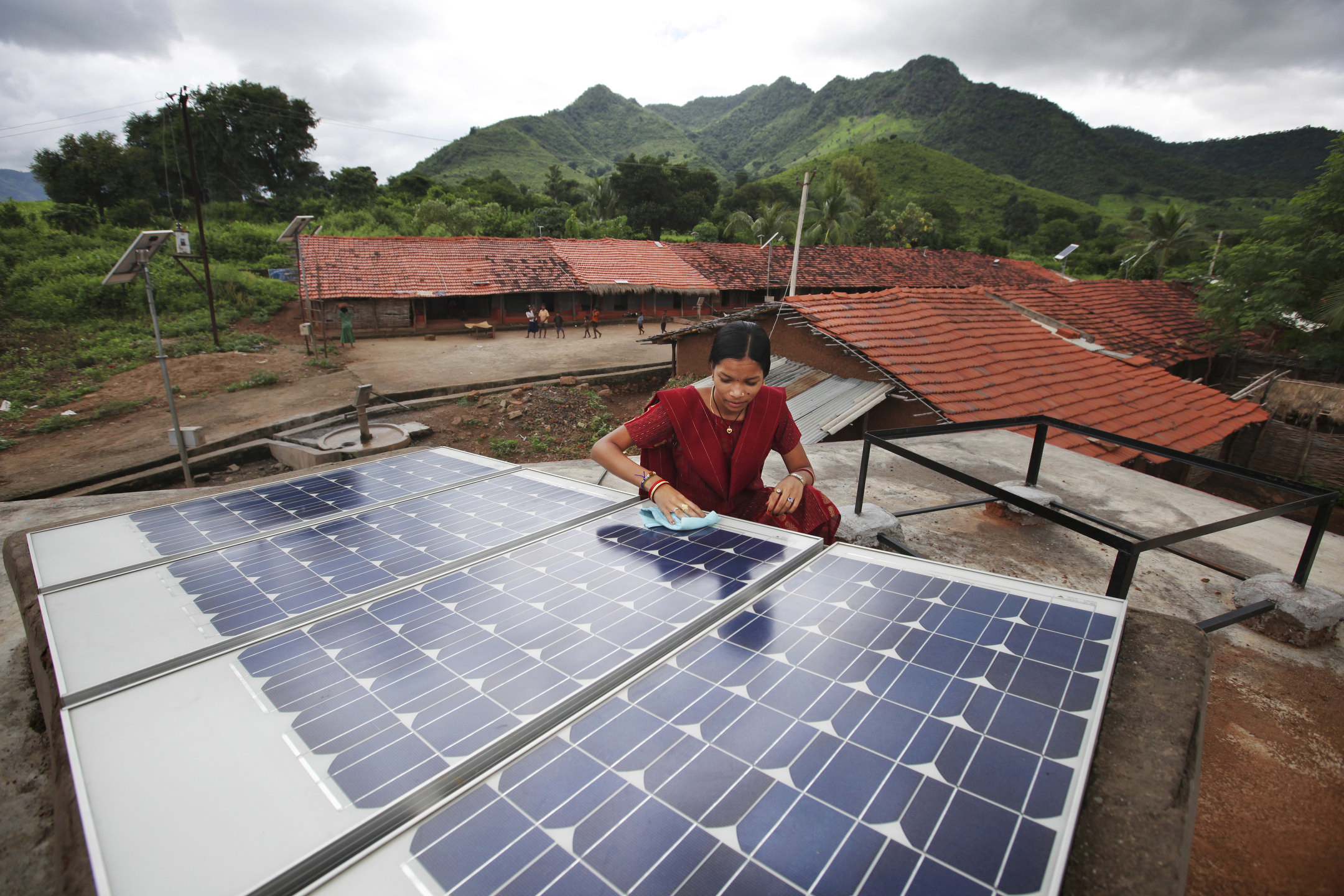
Photo by Abbie Trayler-Smith / Panos Pictures / UK Department for International Development
Executive summary
India’s clean energy landscape has developed rapidly over the last decade, enabled by an improving policy and regulatory architecture. Nevertheless, challenges remain that have impacted the scale and direction of climate finance flows to this sector, particularly from international sources. As India aims to further ramp up the pace of its RE deployment, both large- and small-scale, this brief analyzes these challenges from regulatory, institutional mandate, coordination and market development angles, and explores ways to address them.
Based on a literature review and 13 expert interviews in the large scale renewable energy, rooftop solar, and energy efficiency sectors, we find that regulatory challenges are relatively minor in the large scale RE sector, and that this may cause international funders to channel finance accordingly. In other words, the established governance structure facilitates a relatively easy flow of climate finance. On the other hand, the small scale renewables and energy efficiency sectors have received comparatively less policy support, and a lack of awareness and scale contributes to considerably less funding flowing to these sectors.
Overall, while the government has an important role to play in continuing to improve the policy and regulatory environment for clean energy finance – including international flows into the country – there is an equal role for funders to adapt their funding processes and scopes to the domestic context. Harmonizing these parallel efforts will require improved coordination between the various actors, including through more defined processes for consultations within the overall institutional architecture for climate action in India.
 Download the Study

Related Publications

Opinions
Energy Transitions
Rural Energy Must Deliver More Than Connections
Sarada Prasanna Das
BasisPoint Insight | 13 November 2026
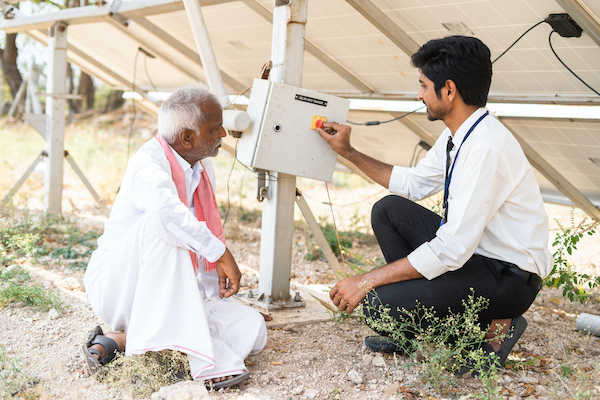
India's rural energy transition will remain incomplete if electricity connections do not translate into better lives and stronger livelihoods. Rural energy policy must focus on productive uses, reliable supply and local institutions to turn electricity access into economic opportunity. The measure of success should be whether these systems sustain useful services and expand economic opportunity long after they are installed.
Reports
Climate Policy
How Can India Align Its Clean Energy Innovations with Its Ambitions? An Assessment of Public RD&D Investments and Activities
Kashmeera Patel, Easwaran J Narassimhan, and Aman Srivastava
15 October 2026
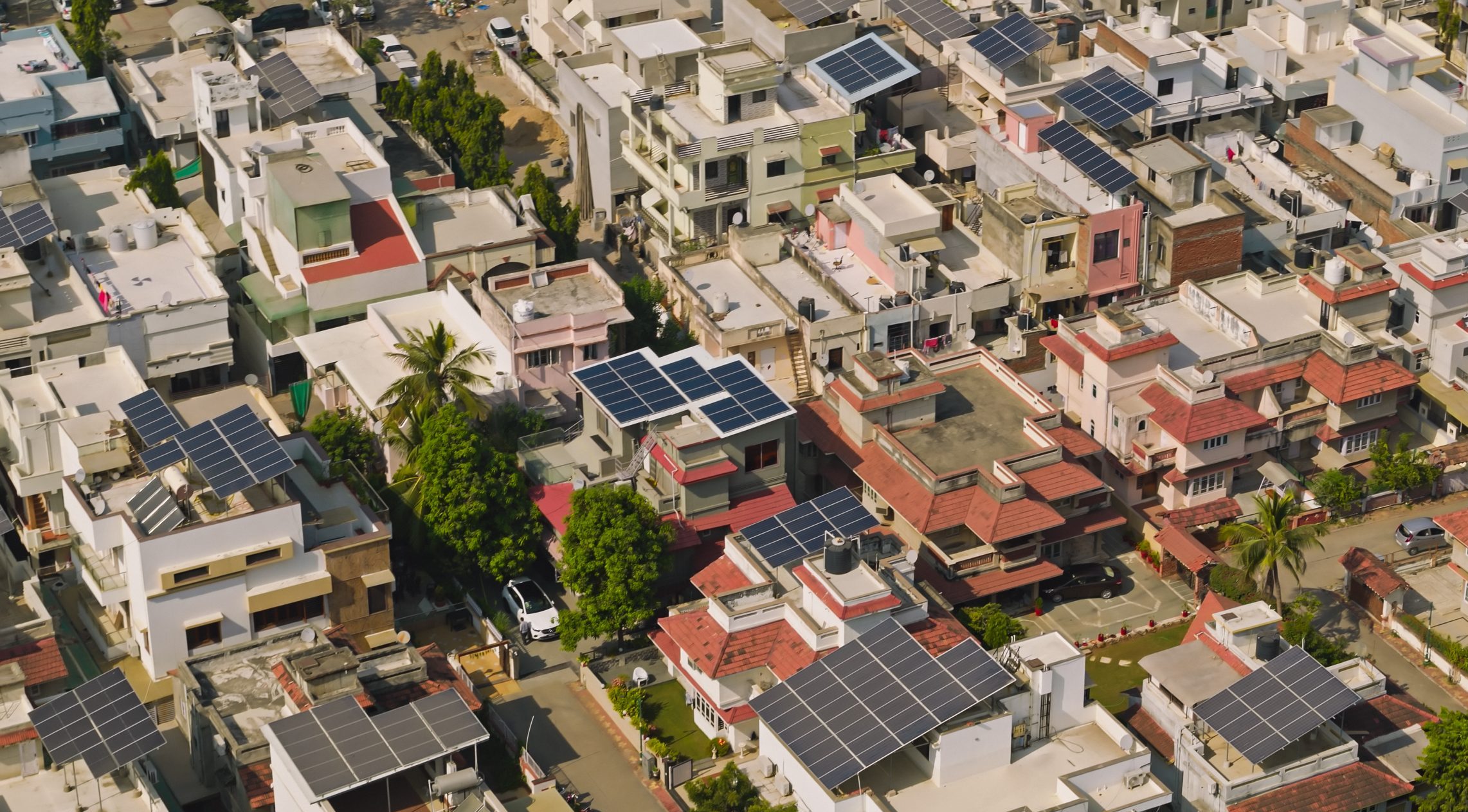
This report examines India’s public clean energy RD&D investments across six key technologies to assess whether public cleantech RD&D innovations align with its broader clean energy, industrial, and climate ambitions.
Opinions
Energy Transitions
Towards the next frontiers in India’s energy transition
Sarada Prasanna Das and Shubhranshu Suman
Ideas for India | 5 October 2026
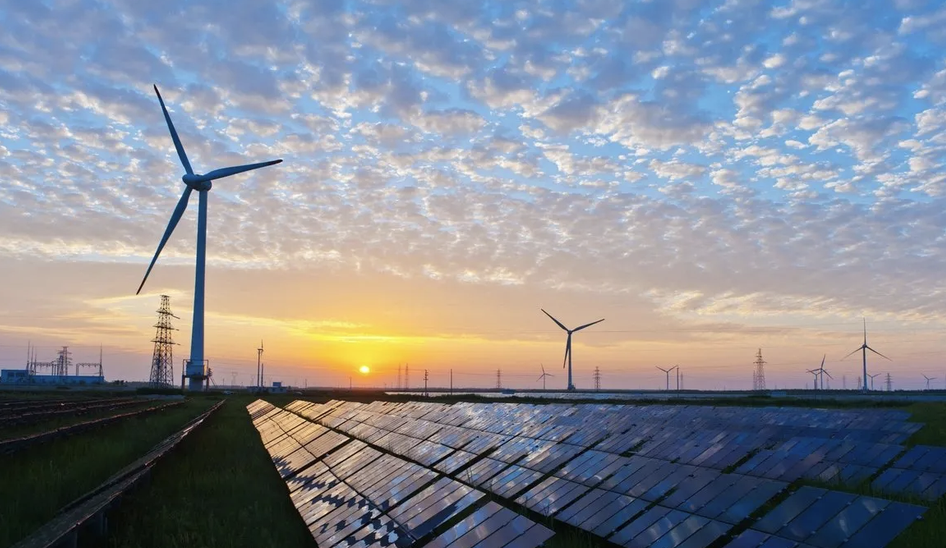
Non-fossil installed power capacity now constitutes a significant share of India’s total installed power capacity. In this post, Das and Suman argue that the next stage of India’s energy transition requires greater attention to system integration and the actual contribution of clean energy to electricity generation – while also recognising the broader socioeconomic opportunities that the transition can create.