
Publication Year: 2026
How India can keep cool as energy demands overheat its power grid
Bonn Deadlock Puts Pressure on COP31—and on Climate Multilateralism
संतुलित शीतलन, सुदृढ़ ग्रिड: भारत की संकटग्रस्त विद्युत प्रणाली के लिए सुधार का मार्ग
India’s coastal risks no longer arrive in isolation

What is the Health Agenda for Climate Adaptation?

When Mangroves Do What Seawalls Cannot

Free Power Debate
Re-Powering Rural Dignity: Rural Transformation Through Energy Transition
Abstract
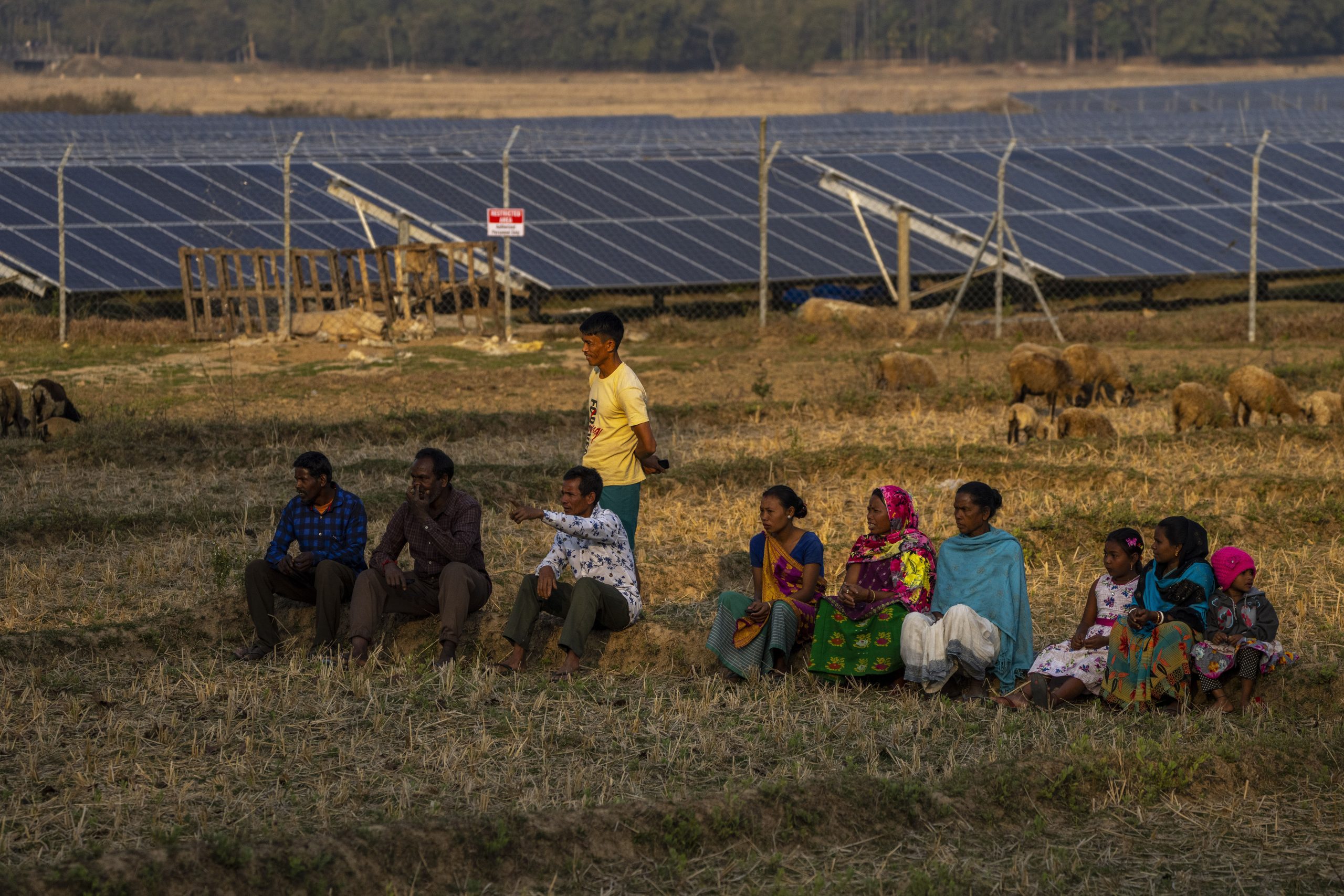
In the electric power discourse, rural India holds an undignified space. Non-payment for electricity consumption by rural households, free power for farmlands, power theft and pilferage, and the high cost of supplying to geographically dispersed rural load centres have been seen as a bane for the electric power system in India. Moreover, the organised demand for subsidised electricity in rural areas is alleged to be the root cause for a rising and unsustainable pattern of electricity-centred competitive populism. On the other hand, owing to these allegations, rural India is often deprived of a reliable electricity supply and the dignity of consumer service to the extent that electricity access has no meaningful impact on productivity and human well-being.
In this backdrop, this chapter argues that the ongoing transition in the electric power systems from fossil fuel to renewable energy is an opportunity to rethink rural energy demand and thus restore rural dignity in the nation’s growth discourse. The chapter suggests ways to harness renewable energy, particularly solar energy, and reliable access to electricity to boost rural productivity in farm and non-farm activities, diversify rural livelihoods, and thus, contribute to building a resilient rural India. It envisions dignified access to modern energy in rural India through the promotion of electric-powered on-farm value additions, expansion of non-farm activities, in ways that are sensitive to intersectional barriers, and the enhancement of rural energy demand and ability to pay for the cost of electricity.
Governing India’s Just Energy Transition: The Case of Jharkhand’s Task Force on Sustainable Just Transition
Highlights
– At present, the governance of the energy transition is nested within broader climate governance frameworks and lacks a dedicated national policy or institutional architecture. As a result, state-level preparations remain limited, and just transition objectives are not systematically integrated into policies, planning processes, or intergovernmental coordination mechanisms.
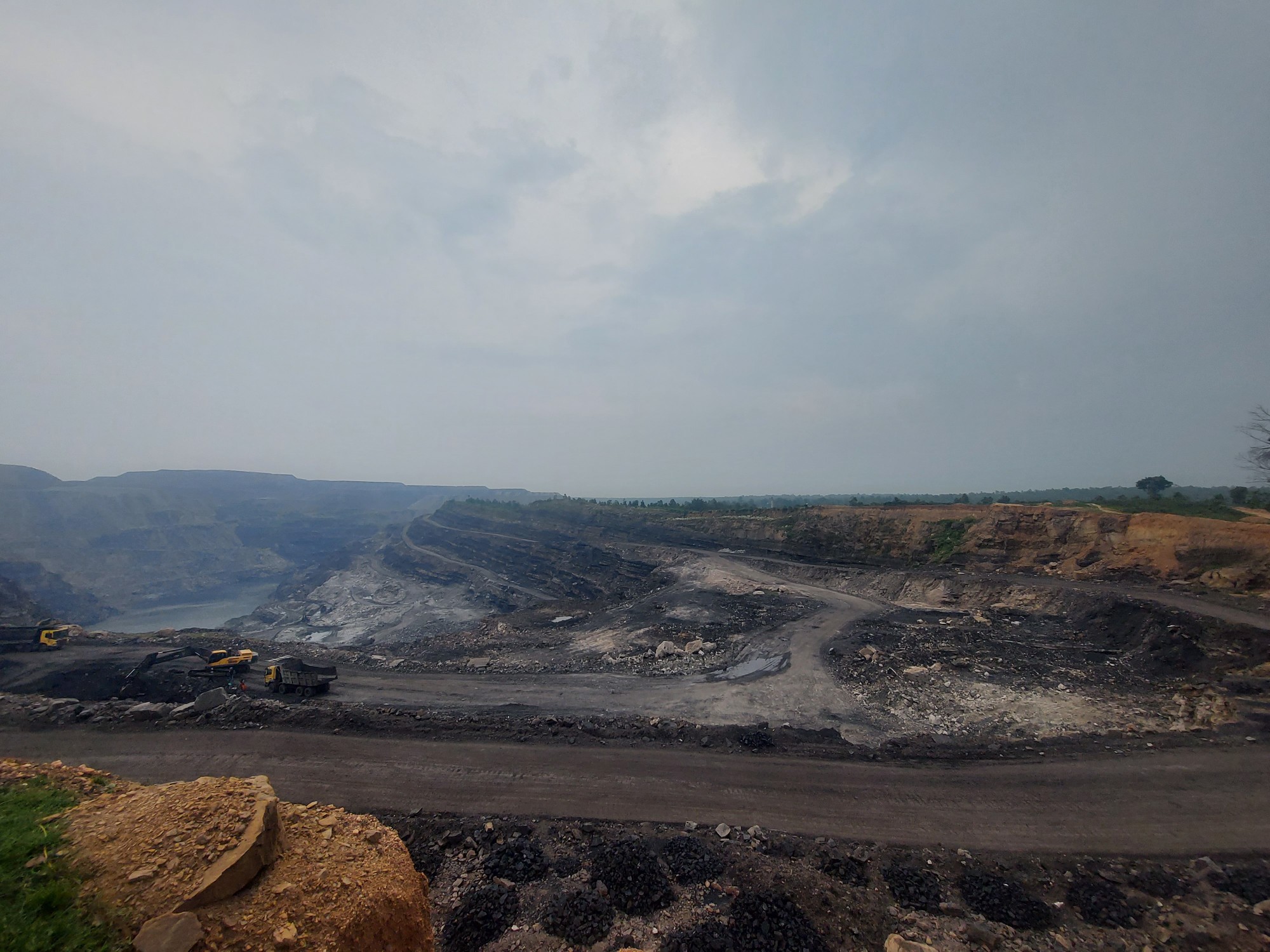
– India’s energy transition is bound to be shaped by developments at the subnational level, particularly in the coal-dependent eastern states, where the economic, social, and fiscal impacts of the transition are most acute. Subnational institutional governance is therefore essential to ensure a just energy transition.
– This study takes the example of Jharkhand’s Task Force on Sustainable Just Transition, a first-of-its-kind institution established to address social and economic issues while guiding the state towards a low-carbon economy aligned with national climate goals.
– Using the Task Force as an example of an enabling institution, the study identifies key institutional challenges and draws lessons for other states to strengthen subnational preparedness, policy alignment, capacity, coordination, participation, and data systems for a just energy transition.