
Climate Politics in India: How can the Industrialised World Bridge the Trust Deficit?
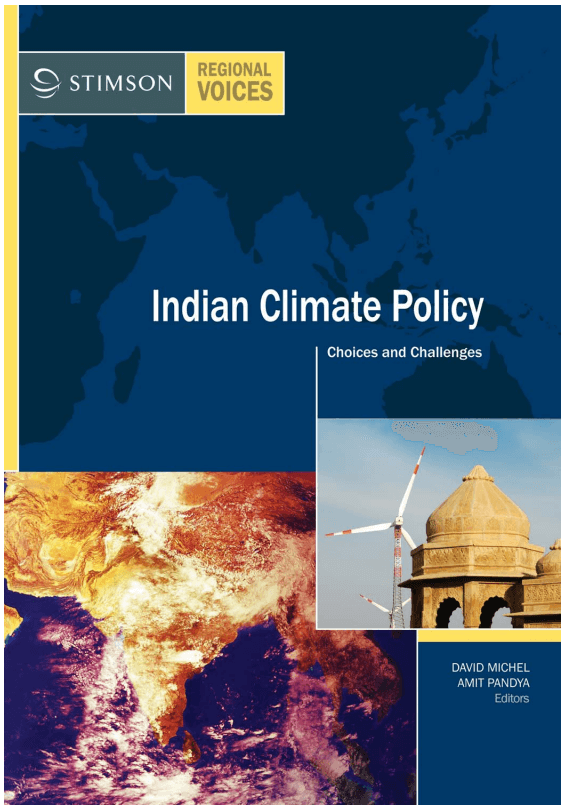
In an ironic and to most Indians quite disturbing turn, India is increasingly portrayed as an obstructionist in the global climate negotiations. How did a country likely to be on the frontline of climate impacts – with a vast proportion of the world’s poor and a reasonably good record of energy-related environmental policy and performance – reach this diplomatic cul de sac? Part of the answer lies in the posturing of climate diplomats from India and industrialized countries. But looking beyond the cut and thrust of climate diplomacy, Indian climate policy and the reaction to it are a salutary case study in the failure to build North-South trust in the climate negotiations. Chapter published in ‘Indian Climate Policy: Choices and Challenges’.
 Download the Study

Related Publications

Reports
Climate Policy
How Can India Align Its Clean Energy Innovations with Its Ambitions? An Assessment of Public RD&D Investments and Activities
Kashmeera Patel, Easwaran J Narassimhan, and Aman Srivastava
15 October 2026
This report examines India’s public clean energy RD&D investments across six key technologies to assess whether public cleantech RD&D innovations align with its broader clean energy, industrial, and climate ambitions.

Climate Policy
Climate Litigation and Democratic Governance in India
Shibani Ghosh
International IDEA | 5 October 2026
Climate litigation is emerging as an important avenue for addressing environmental harms and strengthening accountability in India. As climate-related challenges intensify, courts are increasingly being called upon to consider how constitutional rights, environmental protection, and democratic governance intersect. This case study examines the evolving climate litigation landscape in India and explores its implications for public participation, access to justice, and government accountability. It is part of a series on climate litigation and democracy in Asia and the Pacific, which examines how legal action is shaping participation, accountability, and rights-based responses to climate change.

Issue Briefs
Climate Policy
India’s Electric Vehicle Ecosystem: Stuttering Transition or Strategic Reorientation?
Arunesh Karkun, Kashmeera Patel, Aman Srivastava, and Easwaran J Narassimhan
11 August 2026
An analysis of the evolution of India’s EV policy landscape, the current state of domestic manufacturing, and the strengths and limitations of its RD&D ecosystem.