
Adaptation and Resilience
Extreme heat
Beyond Heat Action Plans: Inclusive Heat Policy Needs Grounded Research and Collaborative Action

21 July 2026
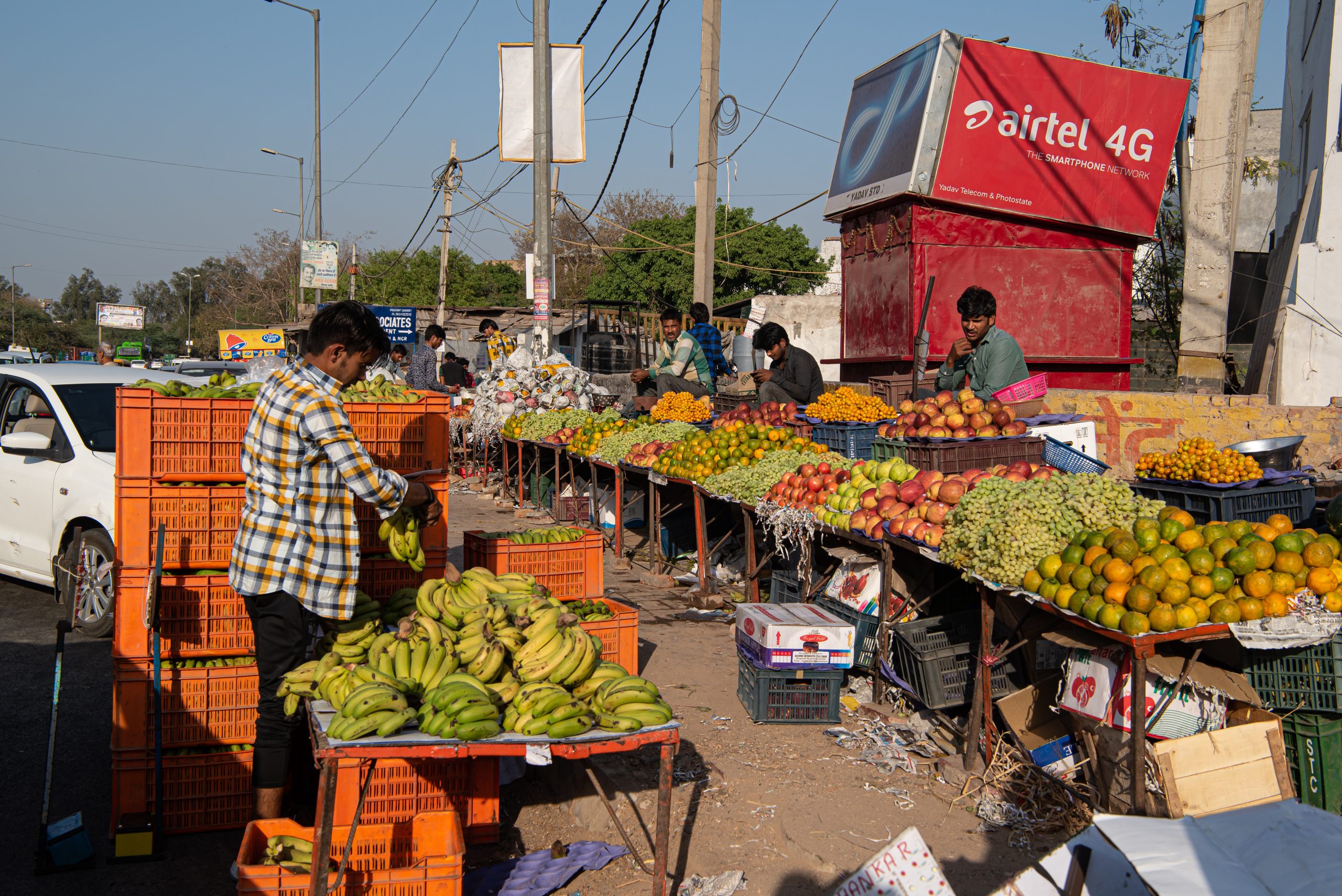
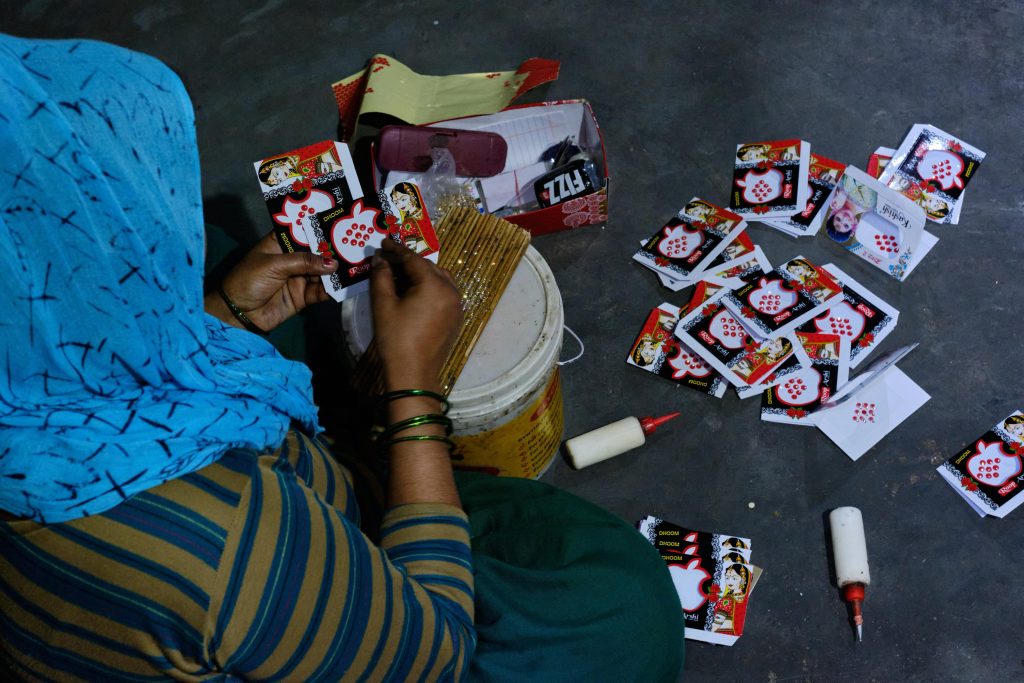
Photo credit: Rashmi Choudhary for WIEGO
For a long time, extreme heat in India was treated as a weather event, something to be endured rather than planned for. But we are now seeing a welcome shift in how the Indian state thinks about heat and climate risk. Over 250 Heat Action Plans (HAPs) exist across 23 heat-prone states; cooling centres and public advisories have become routine in summer; and the 16th Finance Commission’s recommendation of heatwaves as a disaster is expected to unlock funds for preventive mitigation. Importantly, policy conversations are moving beyond understanding physiological limits to asking harder questions, such as who is most at risk and why. As a recent white paper frames it, better policy can only be crafted if we ask: too hot for what? Too hot for whom? And only if we go beyond laboratory research to factor in the lived experiences of diverse communities.
Heat as a varied experience
A crucial first step is to acknowledge the many different ways heat threatens health, work, and daily survival. Recent research demonstrates that even among the informally employed working-class households that comprise about 80% of India’s urban population, heat is experienced in many different ways. These differences are not merely about how much time workers spend outdoors, but also what households can draw on to survive extreme heat. Is there a shaded place to rest near the workplace, with drinking water and a toilet within reach? How well ventilated is the home they are returning to, or does it trap heat through the night? Is there a third space – a community centre, a shop with a fan, a common courtyard – where someone can wait out the hottest hours of the day when neither the home nor the workplace offers relief? And when work is lost to heat, even for a day, what safety nets do households have to fall back on?
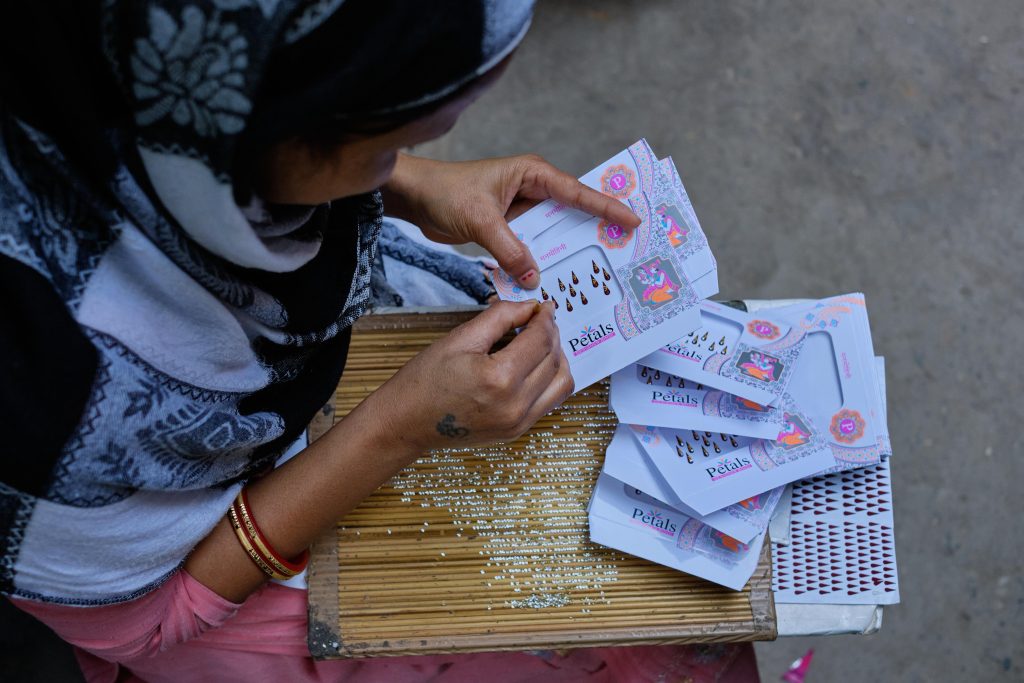
Women in Informal Employment: Globalizing and Organizing’s (WIEGO) recent research with home-based workers and street vendors in Delhi gives a sense of how stark these differences can be. Over two survey rounds conducted in early and peak summer, the study found that, on a broad level, both groups experienced some similar outcomes. Among home-based workers, 88% reported falling productivity and 74% saw reduced demand for their services: a stark loss, with 80% of workers reporting they earned less than Rs 5,000 per month, and nearly half saying that their income did not cover their household’s basic needs even in normal times. For street vendors, 96% experienced a drop in customers, 90% reduced their working hours, and 72% lost stock to heat damage. The financial strain was acute for both – debt rates for home-based workers doubled from 35% to 70%, while borrowing among street vendors similarly nearly doubled. Two-thirds of home-based workers cut back on food consumption to cope, reflecting how quickly heat shocks translate into household-level deprivation.
However, the data urges us to observe variations beyond first-order heat impacts. More than the direct exposure to heat, street vendors’ income stress was exacerbated by constant harassment from municipal officials: 65% reported harassment and 43% experienced evictions during the peak heat period. The lack of basic amenities severely curtailed their ability to cope. Not a single surveyed vendor worksite had municipal water access, forcing vendors across all 17 mapped markets to purchase water at their own cost – a recurring drain on already precarious incomes. Women vendors reported not drinking water due to the absence of functional public toilets.
For home-based workers, predominantly women, the workplace is a single 10-20 sq.m. room occupied by a full family, used simultaneously for sleeping, cooking and production, often with no windows and heat-trapping walls where indoor temperatures routinely exceed outdoor ones; 85% reported paying extra just to keep cool enough to work. Domestic responsibilities constantly impinge on work, and heat exacerbates this. In crowded households of six or more, 68% of workers missed more than three working days during peak heat, compared to 30% in smaller households. About 59% spent more than two hours a day collecting water for sprinkling floors and for frequent bathing to lower body temperatures. Finished products and raw materials stored in corners or under beds are damaged by heat and moisture, forcing rework and cutting into already thin piece-rate earnings. For piece-rate garment workers, paseene se piece kharaab hona – sweat damaging the work itself – is a daily economic reality.
Beyond exposure: visibility and the ability to organise
Taken together, we can identify three factors that shape heat resilience. The first is heat exposure itself, both at work and at home. A worker might face heat stress on the job and then return to a home that offers little relief, so the exposure stacks up rather than easing off.
The second is visibility and access to social protection. Employer-employee relations, welfare schemes, and even the articulation of rights within India’s labour codes vary across occupations. A factory worker may have an identifiable employer who can be held responsible; construction or home-based workers may work through layers of contractors; gig workers are mediated through a digital platform; while others, like vendors, are entirely self-employed. These differences affect a worker’s entitlements to wages and social security, but more than that, they affect whether a worker even shows up as a category legible to policy. Home-based and domestic workers, for example, have historically struggled with visibility and find very little place in formal labour policy or heat responses. This invisibility is structural and rooted in how labour markets are organised and who gets counted.
Recognition and visibility are closely tied to a third crucial factor – workers’ ability to organise themselves and make claims. Groups recognised as a distinct, legitimate category of informal workers through unions, collectives, associations, or registration systems are more legible to decision-makers and better placed to push for responses suited to their needs. Groups without that recognition risk staying invisible, no matter how severe their actual heat exposure is.
What better policy requires
Given how starkly varied the experience of extreme heat is, it is obvious that existing policy responses, like mandating work breaks or issuing “stay indoors, drink water” advisories, are failing a wide range of heat-affected workers.
SFC’s nine-city study of HAP implementation found that short-term emergency measures like water access are near-universal, but long-term, targeted actions – occupational cooling for the most heat-exposed, insurance for lost work, infrastructure retrofits – are largely absent or poorly targeted across Indian cities, in part because HAPs remain weakly institutionalised.
Vulnerable populations should not need to expend their meagre private resources to survive extreme heat. The evidence indicates that adaptive capacities can be strengthened by improving civic amenities; creating adequate, climate-resilient housing, social infrastructure, and third spaces; and strengthening social protection. The order and magnitude of these interventions, though, need to be tailored to varied conditions of heat exposure and differences in adaptive capacity.
Policy cannot risk treating very different situations as the same problem. It is imperative to generate evidence to move away from a superficial outdoor-indoor understanding of heat exposure and to develop a more empirical understanding of what constitutes exposure and adaptive capacity across a range of occupational groups inhabiting the city through a variety of spatial, living, and working arrangements.
But creating the evidence is not by itself enough; making sense of it, identifying and filling gaps, synthesising important on-the-ground insights for decision-makers, and interpreting advisories and supportive mechanisms for communities are all important aspects of responsive policy. A group of organisations and individuals has recently come together to meet regularly, share knowledge, and brainstorm strategies to make the complexities of workers’ lived experiences visible.
Comprising civil society organisations, worker collectives, researchers and practitioners, the Cool Delhi campaign coalesced around the shared premise that heat is a labour rights issue and a public health emergency, not a weather event to be individually endured. Its initial work is about creating the connective tissue required to bring communities and policy architects into dialogue – pooling evidence that often stays siloed, translating it into advisories and tools workers can actually use and building a collective advocacy agenda that can carry workers’ experiences into Heat Action Plans and labour policy processes. By offering an infrastructure to process uncomfortable questions openly and co-create responsive policy approaches, the campaign complements ongoing efforts to improve heat resilience amongst the most vulnerable in our cities.
Mukta Naik is a Fellow, Adaptation and Resilience at SFC, and Rituraj Pegu is Research and Coordination Officer at WIEGO India. Both organisations prioritise extreme heat in their work and are actively involved in the Cool Delhi campaign.