Nitya Mohan Khemka and Bhargav Krishna

What is the Health Agenda for Climate Adaptation?

Source: David Trilling
Introduction
Extreme heat poses the most direct and immediate threat to human health and well-being. Rising temperatures exacerbate infectious disease patterns, reduce agricultural productivity, and strain India’s already burdened health system. Without urgent investments in adaptation, escalating heat and climate impacts will outpace the capacity of India’s health infrastructure and workforce, deepening inequities across regions and populations. To frame a credible health agenda for climate adaptation, we first need to understand the limits of what we know, and why our data systems fail to capture the true scale of climate-related health impacts.
Accurately measuring the health impacts of heat is a central challenge in developing a credible climate health agenda. Building an evidence base will require local, contextually grounded research and improved epidemiological data. Timely and transparent communication of uncertainty must become a central norm in climate health modeling. Beyond scientific uncertainty, India’s ability to measure and respond to heat-health impacts is further constrained by fragmented data systems. Bridging these gaps requires both regulatory reform and a shift in mindset.
To be meaningful, the health agenda for climate adaptation must first center heat, the most pervasive and measurable stressor linking climate change and health. This essay is part of the white paper, ‘Critical Perspectives on Extreme Heat in India’ by the Salata Institute’s Climate Adaptation in South Asia research cluster.
 Download the Study

Related Publications

Reports
Adaptation and Resilience
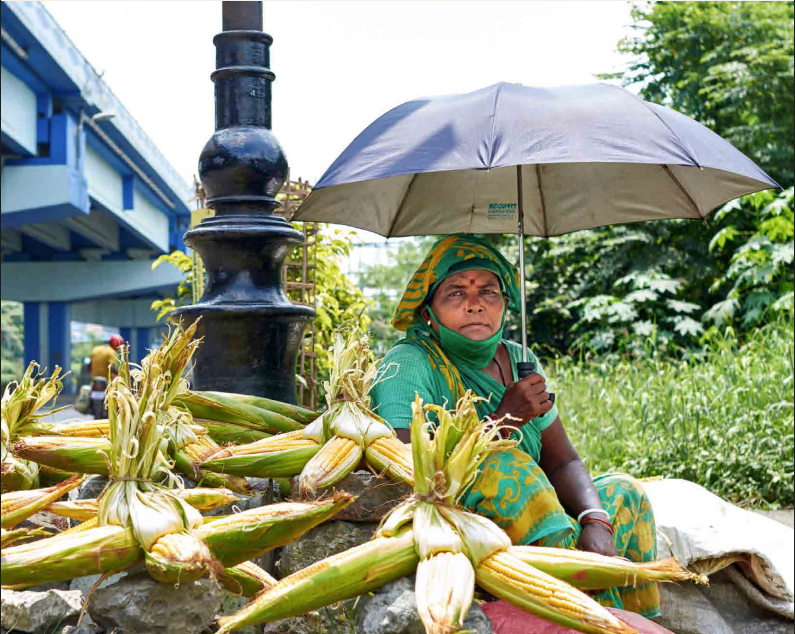
Living with Heat in India: Heat-Health Risks, Vulnerability and Emerging Responses
Dr Purvi Patel, Tamanna Dalal, Abhiyant Tiwari, and Anshima Mishra
GHHIN | 8 October 2026
This report examines India’s evolving heat risk and its implications for population health, with a focus on changing heat exposure, the populations and places most at risk, and the institutional and policy responses emerging across the country.
Opinions
Adaptation and Resilience
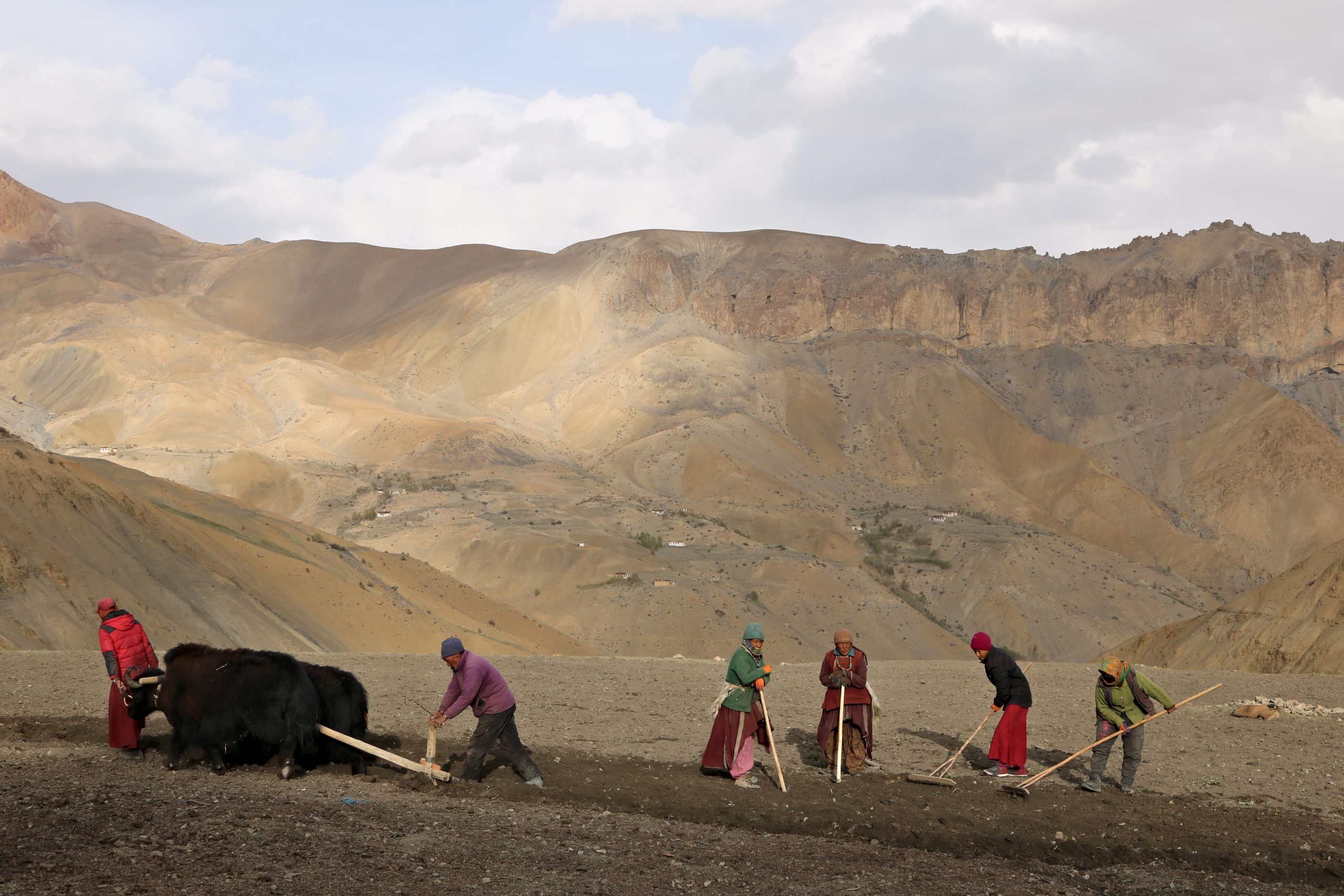
India Needs a Just Adaptation Agenda
Ishan Kukreti, Sarada Prasanna Das, and Sony R K
Mongabay | 6 October 2026
Climate impacts are reshaping India's economy, yet adaptation is often assumed to be inherently just. India's first National Adaptation Plan must make justice enforceable, with statutory community consultation, vulnerability-weighted budgets across sectors, and independent monitoring of who benefits, so resilience reaches those most exposed rather than just those most visible.
Issue Briefs
Adaptation and Resilience
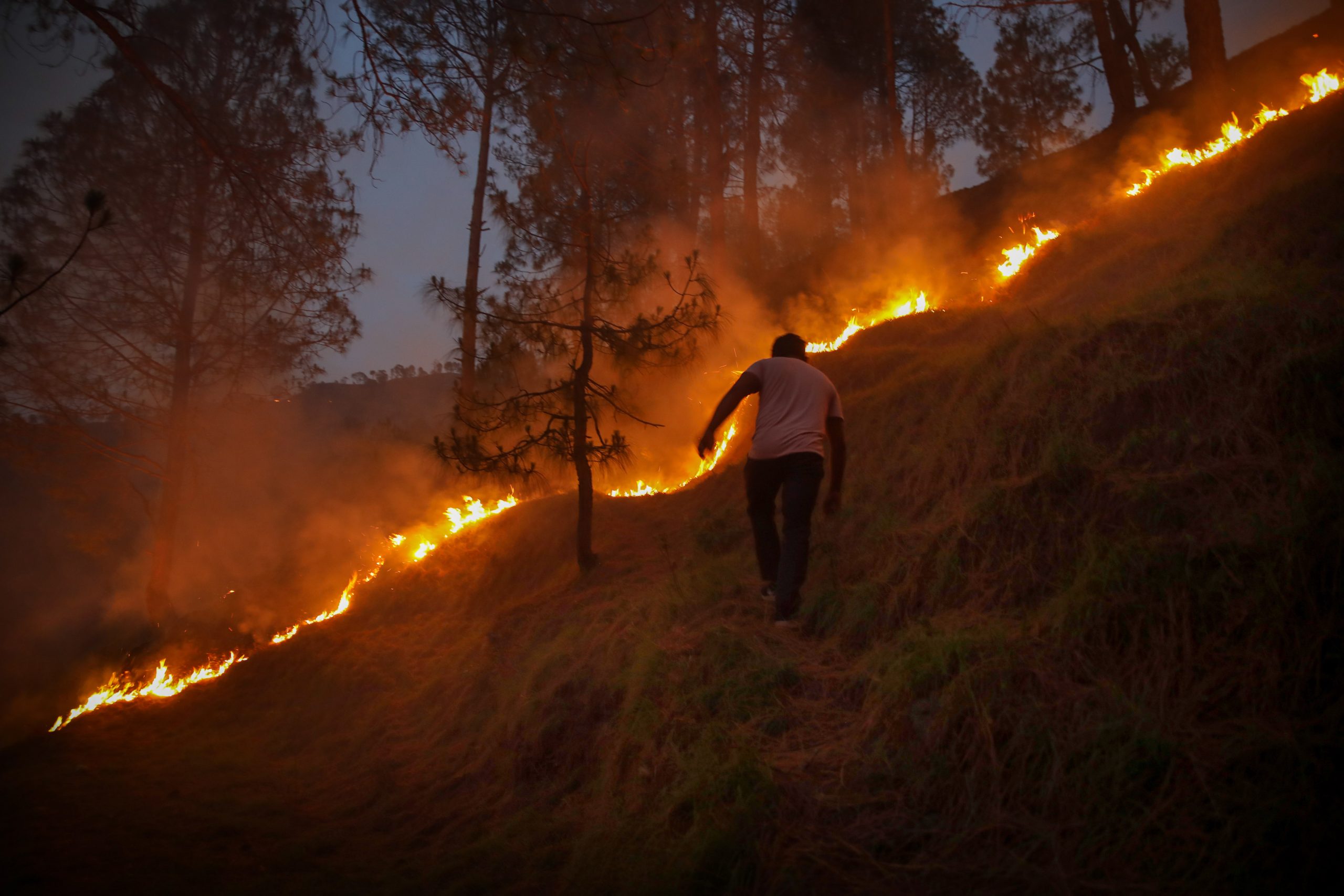
From Fire Suppression to Climate Adaptation: Reimagining Forest Governance in a Warming World
Ishan Kukreti
9 September 2026
An analysis of India's forest fire policy, how current governance addresses climate-driven risks, & the institutional shifts required to move from suppression to adaptation.