

Tracing Internal Migration Governance in India Through a ‘Mainstreaming’ Lens
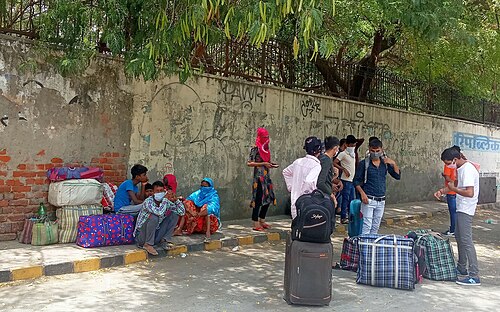
Source: Wikipedia
Abstract
The COVID-19 migrant crisis was a watershed moment for internal migration, driving home the importance of inclusionary frameworks and action. Despite the lack of an omnibus migration policy, several disparate policy initiatives have emerged at multiple levels of government, across various sectors and involving multiple stakeholder types. This article traces and analyses internal migration policy in India over time, particularly how the COVID-19 pandemic reshaped responses. In doing so, it builds on the idea of ‘mainstreaming’, a reflexive approach to policymaking that Peter Scholten proposed to address such complex policy areas as migration. The article argues that a nascent framework for migration governance is evolving in India and offers suggestions on how mainstreaming can help streamline research and policy design for enhanced migrant inclusion.
 Download the Study
Related Publications

Reports
Adaptation and Resilience
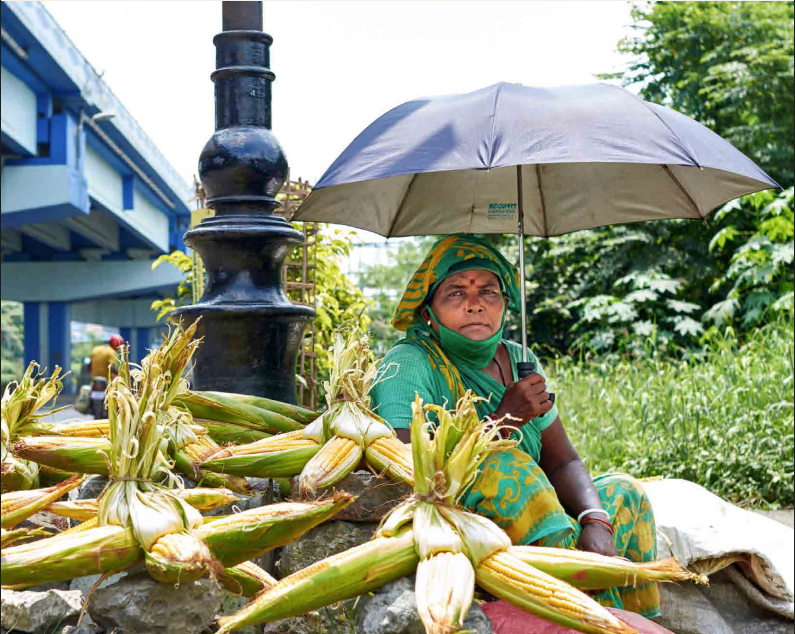
Living with Heat in India: Heat-Health Risks, Vulnerability and Emerging Responses
Dr Purvi Patel, Tamanna Dalal, Abhiyant Tiwari, and Anshima Mishra
GHHIN | 8 October 2026
This report examines India’s evolving heat risk and its implications for population health, with a focus on changing heat exposure, the populations and places most at risk, and the institutional and policy responses emerging across the country.

Opinions
Adaptation and Resilience
India Needs a Just Adaptation Agenda
Ishan Kukreti, Sarada Prasanna Das, and Sony R K
Mongabay | 6 October 2026
Climate impacts are reshaping India's economy, yet adaptation is often assumed to be inherently just. India's first National Adaptation Plan must make justice enforceable, with statutory community consultation, vulnerability-weighted budgets across sectors, and independent monitoring of who benefits, so resilience reaches those most exposed rather than just those most visible.
Issue Briefs
Adaptation and Resilience
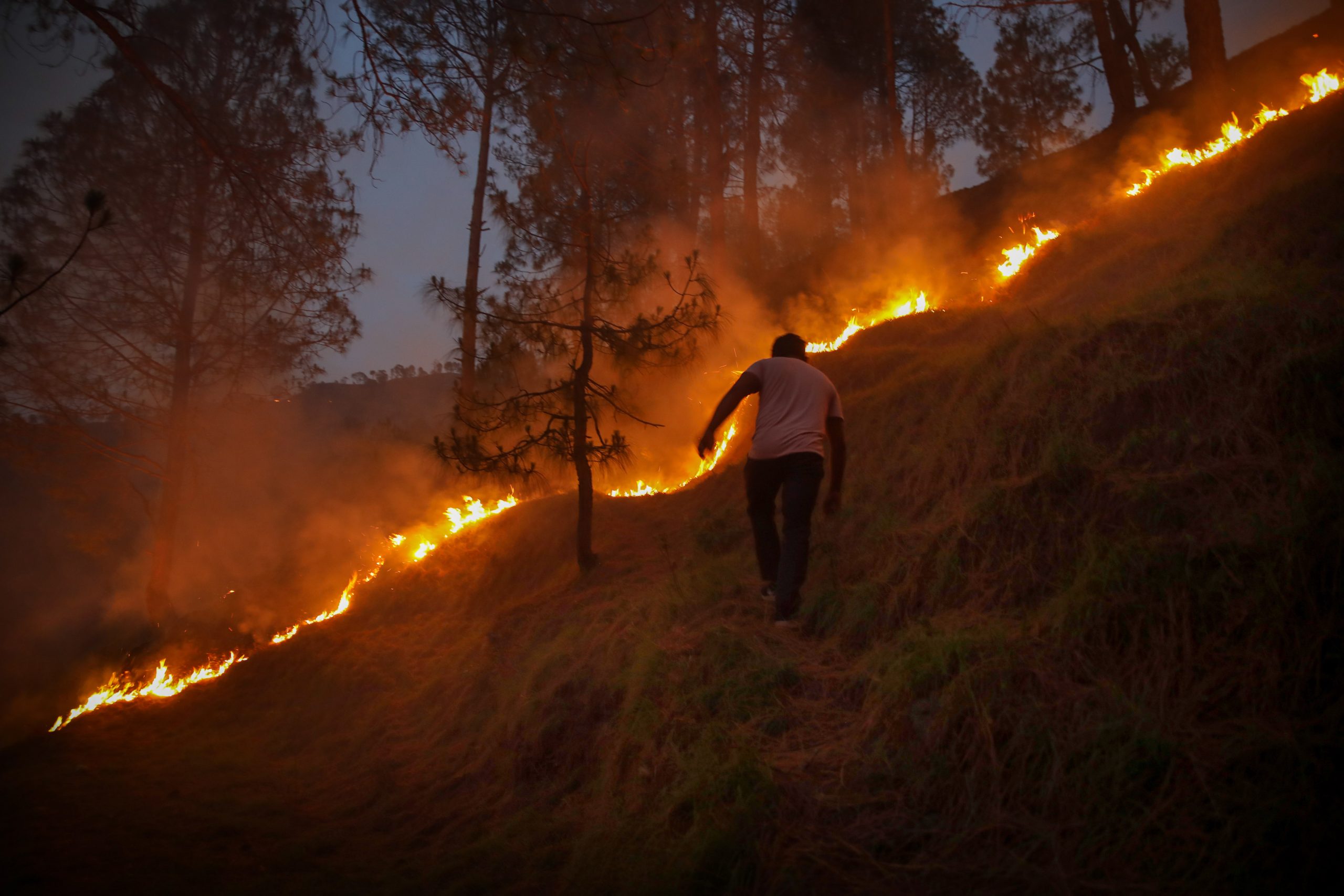
From Fire Suppression to Climate Adaptation: Reimagining Forest Governance in a Warming World
Ishan Kukreti
9 September 2026
An analysis of India's forest fire policy, how current governance addresses climate-driven risks, & the institutional shifts required to move from suppression to adaptation.