India has taken a remarkably consistent approach to global climate negotiations; a principled position on climate change founded on attention to equity dimensions of the problem. This stance which is the setting on a metaphorical compass that has guided the last two decades of Indian climate policy, has strong implications for India’s arguments for the relative mitigation burdens of the industrialised and developing world and therefore for India’s approach to multilateralism applied to climate change.
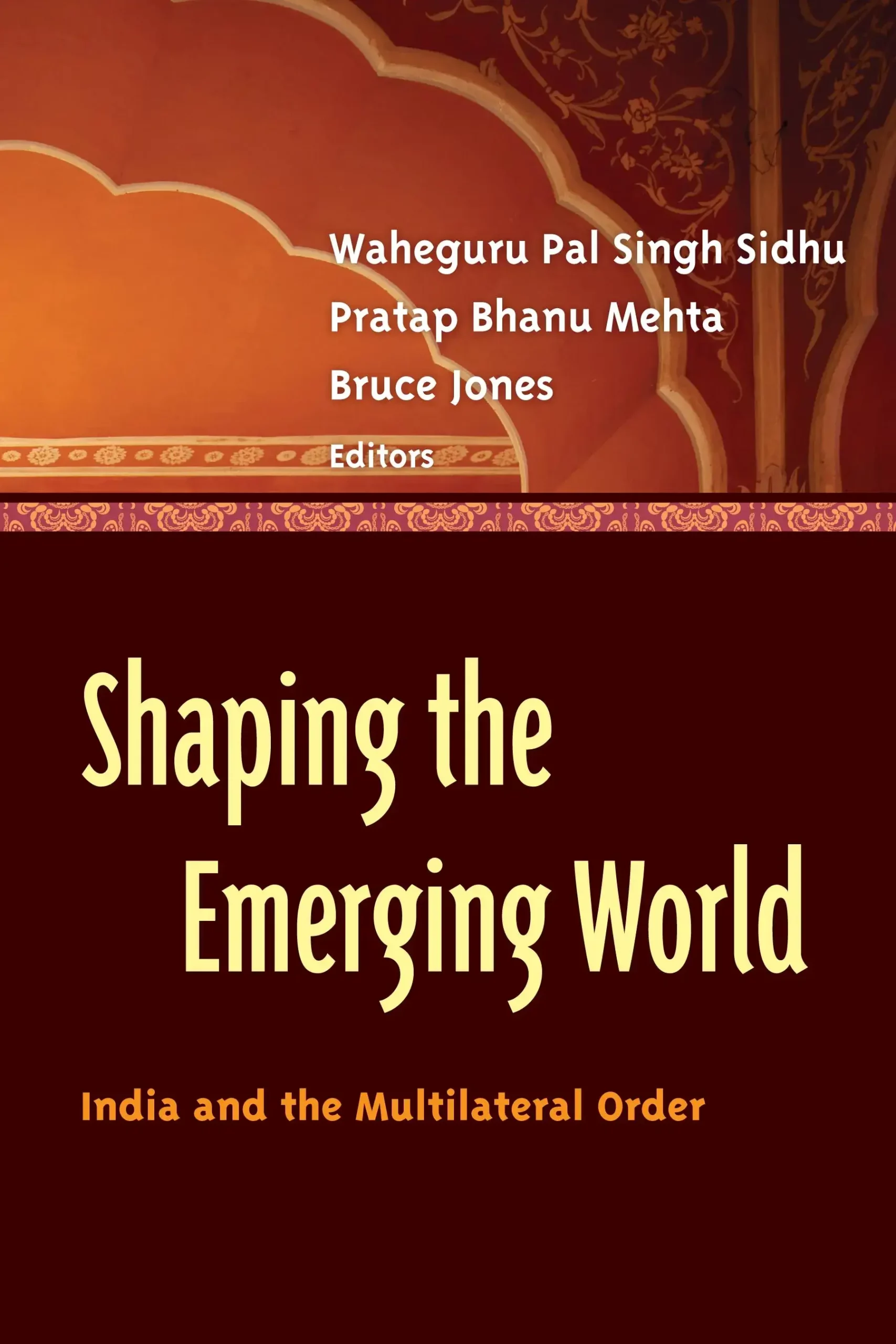
About the book ‘Shaping the Emerging World: India and the Multilateral Order’, Brookings Institution Press: The five major emerging national economies known as the BRICS—Brazil, Russia, India, China and South Africa—have gained on the world stage. For BRICS watchers, and anyone interested in the future of India’s burgeoning economy, twenty-two scholars have developed one of the most comprehensive volumes to date on India: Shaping the Emerging World.
India faces a defining period. Its status as a global power is not only recognized but increasingly institutionalized, even as geopolitical shifts create both opportunities and challenges. India experienced rapid growth through participation in the existing multilateral order—now its development strategy makes it dependent on this order. With critical interests in almost every major multilateral regime and vital stakes in several emerging ones, India has no choice but to influence the evolving multilateral order if it is to sustain its own interests.
Publication Type: Books and book chapters
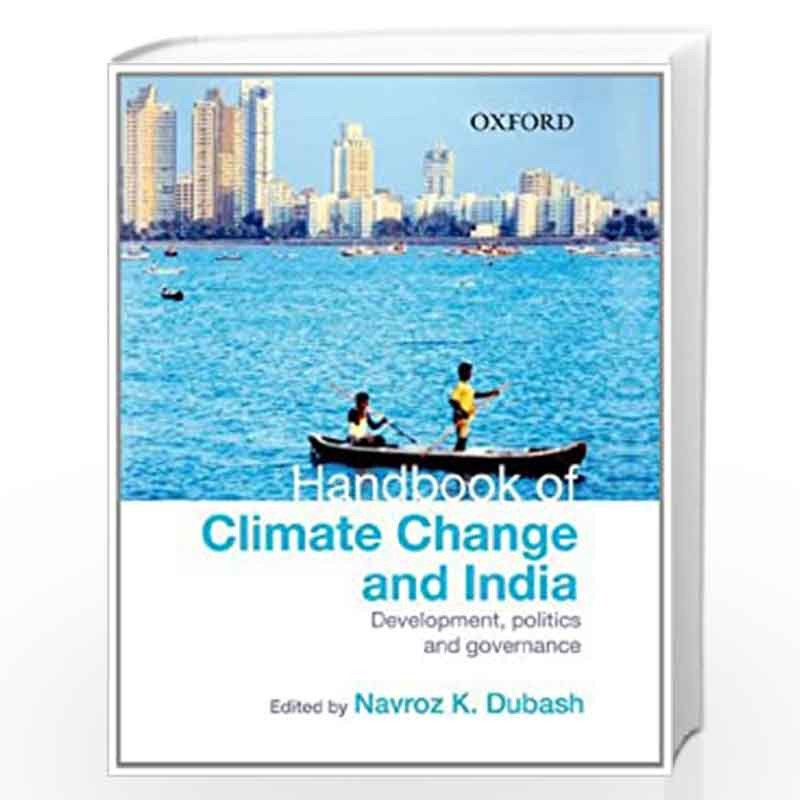
Handbook of Climate Change and India: Development, Politics and Governance
Summary
This Handbook brings together prominent voices from India, including policymakers, politicians, business leaders, civil society activists and academics, to build a composite picture of contemporary Indian climate politics and policy. The papers show that, within India, climate change is approached primarily as a developmental challenge and is marked by efforts to explore how multiple objectives of development, equity and climate mitigation can simultaneously be met. In addition, Indian perspectives on climate negotiations are in a state of flux. Considerations of equity across countries and a focus on the primary responsibility for action of wealthy countries continue to be central, but there are growing voices of concern on the impacts of climate change on India. How domestic debates over climate governance are resolved in the coming years, and the evolution of India’s global negotiation stance are likely to be important inputs toward creating shared understandings across countries in the years ahead, and identify ways forward. This volume on the Indian experience with climate change and development is a valuable contribution to both purposes.
Read moreAvenues for Climate Change Litigation in India
Summary of the book
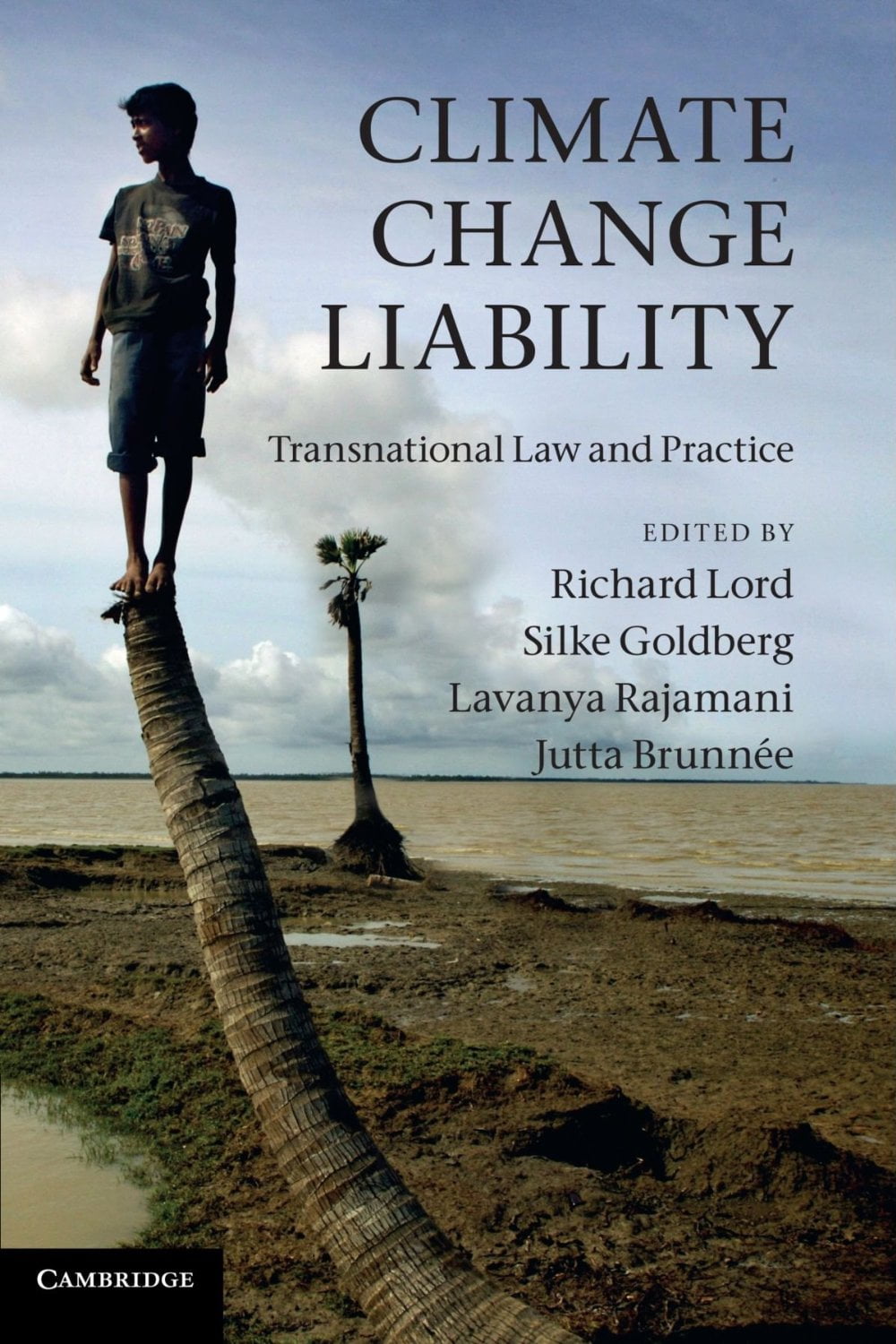
As frustration mounts in some quarters at the perceived inadequacy or speed of international action on climate change, and as the likelihood of significant impacts grows, the focus is increasingly turning to liability for climate change damage. Actual or potential climate change liability implicates a growing range of actors, including governments, industry, businesses, non-governmental organisations, individuals and legal practitioners. Climate Change Liability provides an objective, rigorous and accessible overview of the existing law and the direction it might take in seventeen developed and developing countries and the European Union. In some jurisdictions, the applicable law is less developed and less the subject of current debate. In others, actions for various kinds of climate change liability have already been brought, including high profile cases such as Massachusetts v. EPA in the United States. Each chapter explores the potential for and barriers to climate change liability in private and public law.
Read moreClimate Politics in India: How can the Industrialised World Bridge the Trust Deficit?
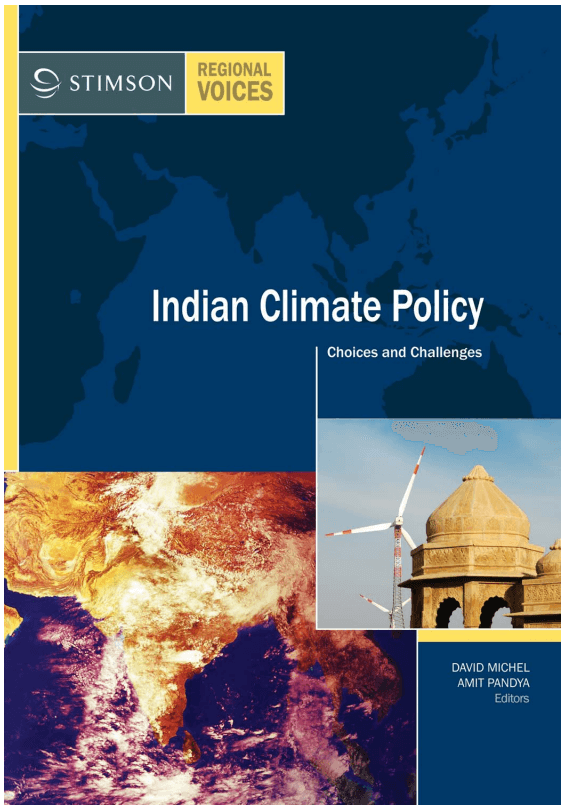
In an ironic and to most Indians quite disturbing turn, India is increasingly portrayed as an obstructionist in the global climate negotiations. How did a country likely to be on the frontline of climate impacts – with a vast proportion of the world’s poor and a reasonably good record of energy-related environmental policy and performance – reach this diplomatic cul de sac? Part of the answer lies in the posturing of climate diplomats from India and industrialized countries. But looking beyond the cut and thrust of climate diplomacy, Indian climate policy and the reaction to it are a salutary case study in the failure to build North-South trust in the climate negotiations. Chapter published in ‘Indian Climate Policy: Choices and Challenges’.
Read moreClimate Change and Development: A Bottom-Up Approach to Mitigation for Developing Countries
Summary
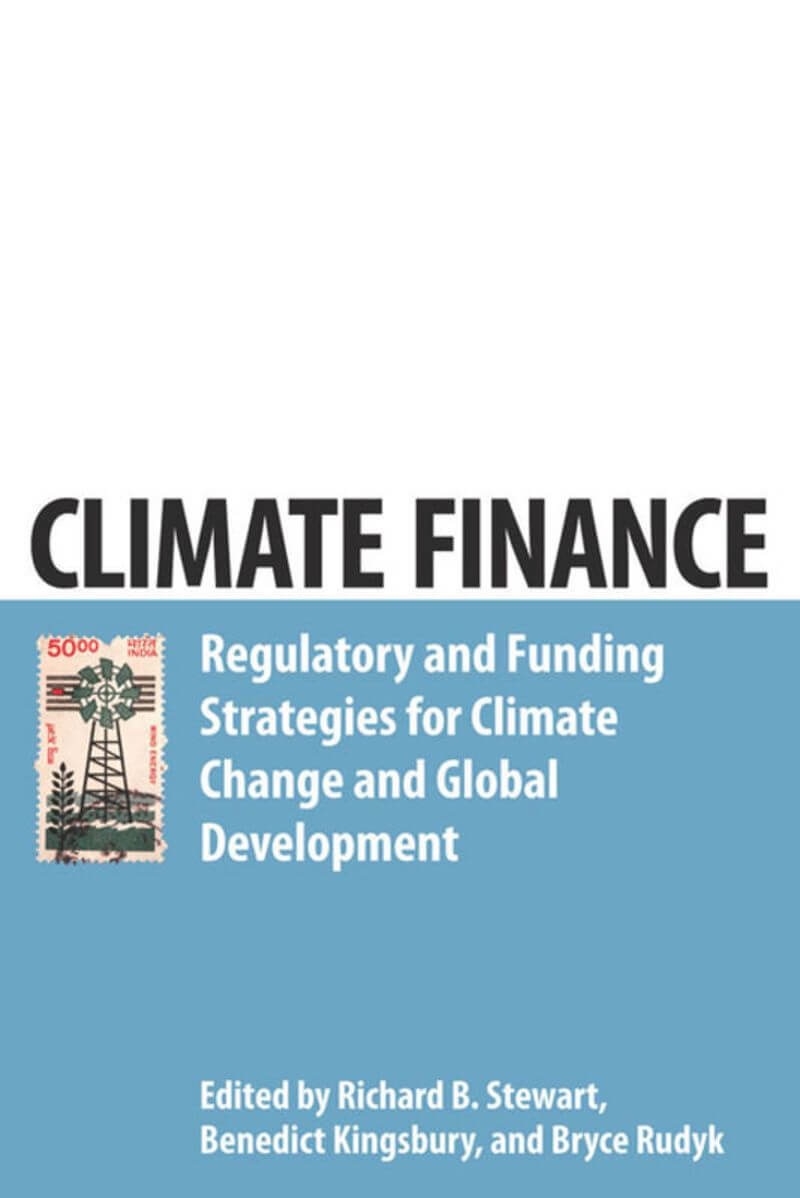
A top-down approach – with internationally specified and binding national targets and timetables – has long been the preferred position of environmental advocates. But bottom-up approaches, such as policy measures to be devised on a country-by-country basis, have also been part of the policy grammar of the climate negotiations. For those who put climate change mitigation first (as opposed to those who seek to preserve sovereignty, or emphasize untrammeled economic growth), a focus on targets and timetables is an article of faith. This chapter in ‘Climate Finance: Regulatory and Funding Strategies for Climate Change and Global Development’ suggests that focusing in the short run on explicit caps (or the implicit caps of climate plans) for developing countries is a misguided policy. It will not produce predictability of future emissions from current baselines, and in the short to medium term may be misguided for environmental reasons. Top-down approaches risk creating counterproductive incentives, such as incentives to set overly high emissions targets or to avoid early action. They may, in practice reduce, rather than increase, the predictability of emissions levels and of emissions reductions against BAU baselines or meaningful targets. The paper argues that strengthening domestic institutions in developing countries is needed for successful low-carbon development.
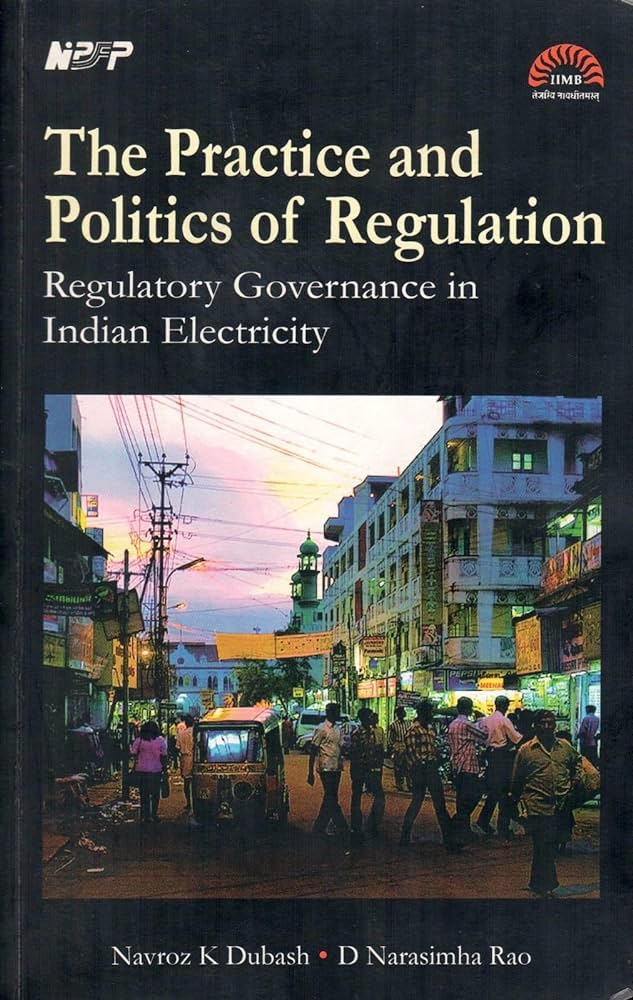
Read moreThe Practice and Politics of Regulation: Regulatory Governance in Indian Electricity
Summary
This volume examines how Indian electricity regulators in three states – Andhra Pradesh, Karnataka and Delhi – function in practice. The goal is to contribute to debates on the role of regulators in electricity reform and on the institution of regulation in India. Drawing on extensive interviews with regulators, government and stakeholders, the authors explore the regulatory decision-making process. They develop insights into the influence of politics, public participation, and the reform context on outcomes, and the implications of each for future evolution of regulatory institutions in India. This book is useful to policy-makers in utility sectors, electricity experts, regulators from a range of sectors and academics and NGOs interested in delivery of public services.
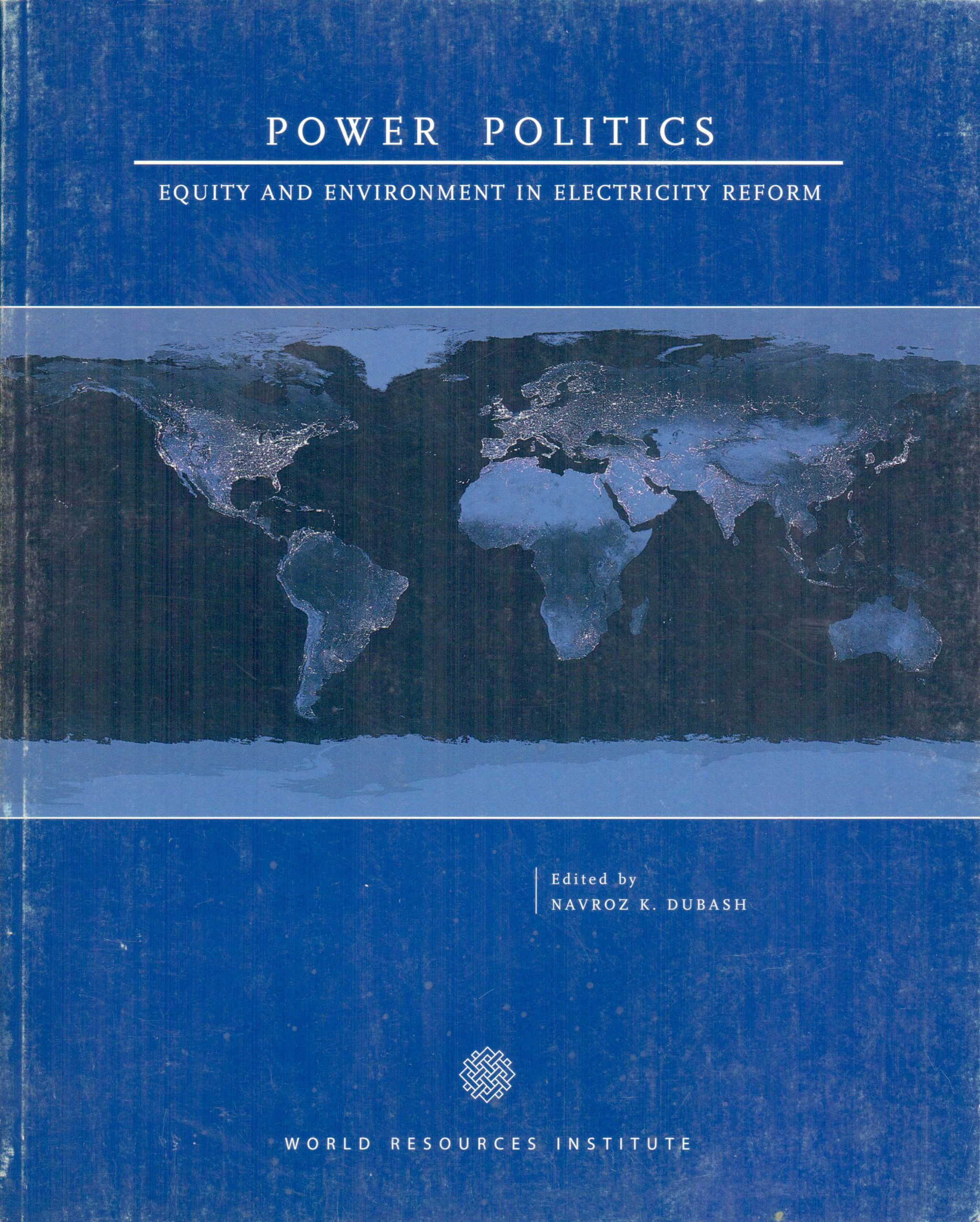
Read morePower Politics: Equity and Environment in Electricity Reform
Summary
In Power Politics, Navroz K Dubash and contributors from around the world show how electricity reform is, at root, an issue of sustainable development. Electricity reform represents an opportunity to focus attention on the 1.7 billion of the world’s poor without access to electricity. It could also be an opportunity to align investor incentives along a trajectory toward a clean energy future, one that reduces emissions of greenhouse gases while promoting development and supporting livelihoods. The concern is not solely one of a missed opportunity. Inappropriately done, electricity reform could hinder progress toward a more socially and environmentally sustainable energy future. Drawing on six country studies – Argentina, Bulgaria, Ghana, India, Indonesia, and South Africa – the contributors to this volume examine whether and how the process of electricity reform can support rather than hinder sustainable development. Instead of sustainable development, they find that financial concerns and donor conditions have driven electricity reform. Managed by closed political processes and dominated by technocrats and donor consultants, social factors play a limited role, and environmental considerations play almost no role in a re-envisioned electricity sector. Drawing on a detailed analysis of the political economy of electricity reform in the six country studies, the study concludes with recommendations toward a more equitable and sustainable electricity future.
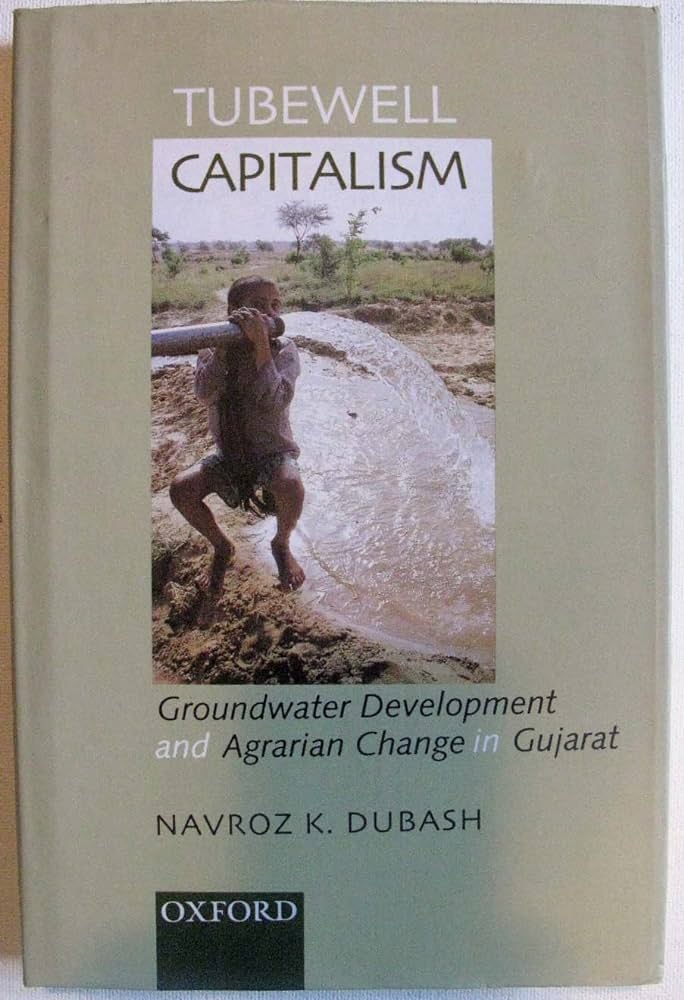
Read moreTubewell Capitalism: Groundwater Development and Agrarian Change in Gujarat
Summary
This is a detailed and timely study of the development of groundwater use and the implications of its depletion in agrarian societies. The volume is based on fieldwork in Gujarat and highlights policy implications.
Read moreReviews of the book: by David Hardiman; by Trevor Birkenholtz
A Watershed in Global Governance: An Independent Assessment of the World Commission on Dams
Introduction
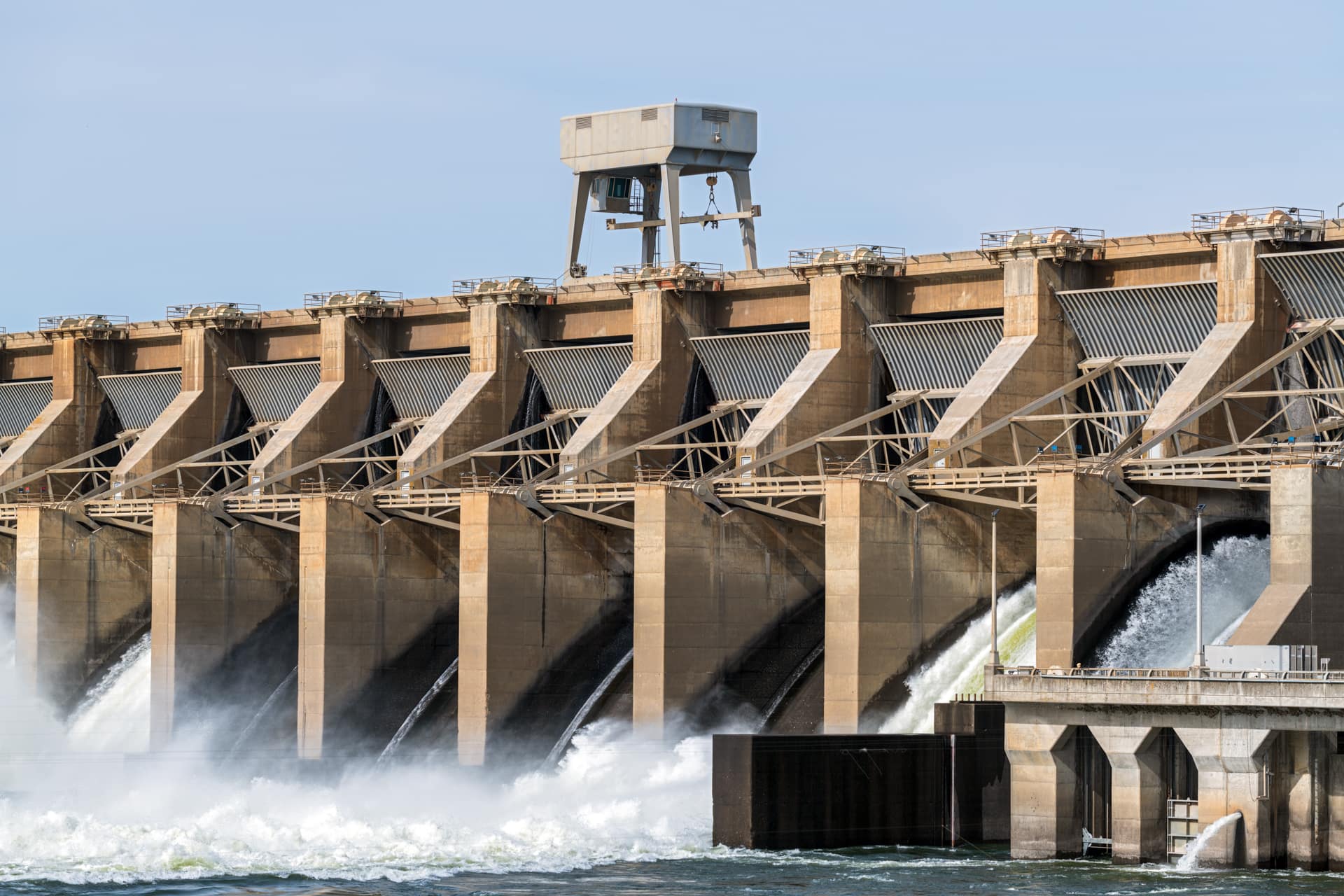
The World Commission on Dams (WCD) was a self-styled “experiment” in global public policy-making. It was set up to produce a set of international guidelines for the design, construction, operation and decommissioning of large dams and options on their alternatives. The WCD undertook this task over two years, with a pledge to be independent, transparent, inclusive and representative of a diverse body of stakeholders. Participants in the process have included dam-building companies, multilateral development banks, affected people’s groups and other non-governmental organizations, private consultants, and the public at large.
Read more