
 SFC Perspectives
 Building systems that allow India to adapt to multiple and increasingly severe climate impacts
India’s development hinges on managing a range of intensifying climate impacts: extreme heat, an eroding coastline, melting glaciers, and urban flooding, among others. These threats will impose upon the lives of an already vulnerable population by diminishing their incomes, increasing healthcare costs, and stifling intergenerational progress. We aim to help forestall these effects by improving governance systems that create and implement climate adaptation policies.
Our current research seeks to improve resilience to extreme heat and coastal erosion by identifying gaps in policy structures and local implementation. We work with sub-national partners to improve policy implementation. We study under-researched systemic levers such as how India’s federal structure can be improved to respond to growing climate impacts, integrating locally-relevant climate science into decision-making processes, and assessing the long-term social consequences of increasingly severe climate events.
Our publications
This also includes publications by SFC team members in their past capacities.
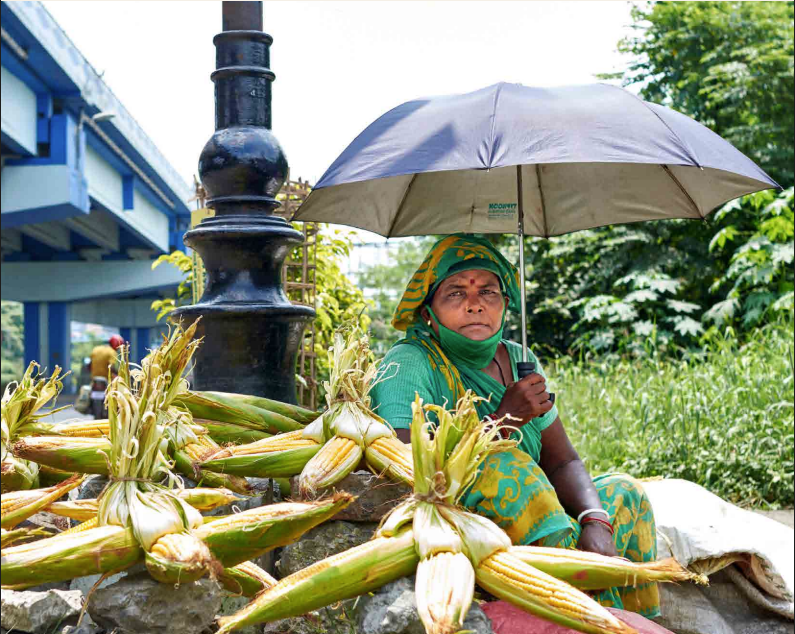
Living with Heat in India: Heat-Health Risks, Vulnerability and Emerging Responses
Dr Purvi Patel, Tamanna Dalal, Abhiyant Tiwari, and Anshima Mishra
GHHIN | 8 October 2026
Read more

India Needs a Just Adaptation Agenda
Ishan Kukreti, Sarada Prasanna Das, and Sony R K
Mongabay | 6 October 2026
Climate impacts are reshaping India’s economy, yet adaptation is often assumed to be inherently just. India’s first National Adaptation Plan must make justice enforceable, with statutory community consultation, vulnerability-weighted budgets across sectors, and independent monitoring of who benefits, so resilience reaches those most exposed rather than just those most visible.
Read more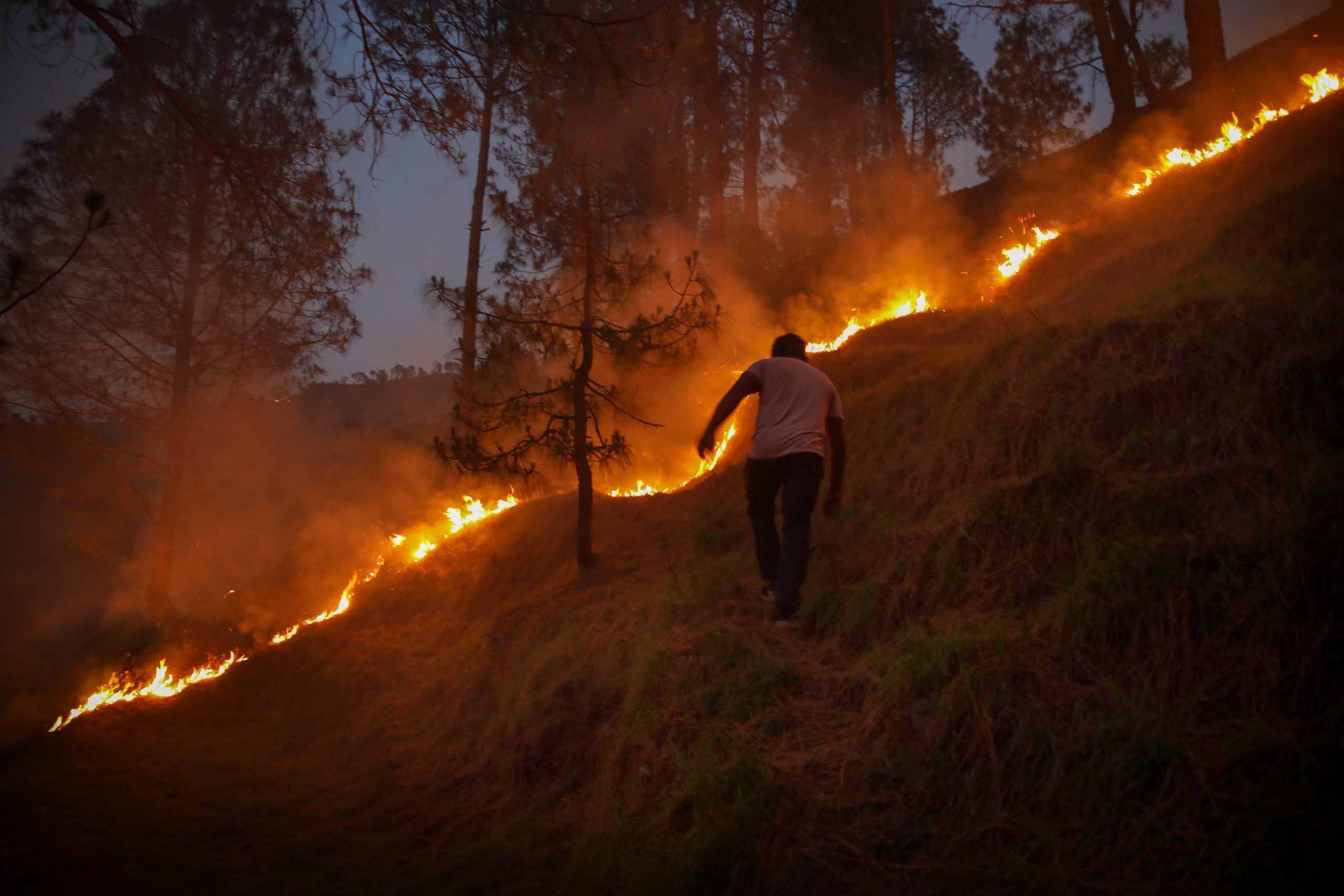
From Fire Suppression to Climate Adaptation: Reimagining Forest Governance in a Warming World
Ishan Kukreti
9 September 2026
An analysis of India’s forest fire policy, how current governance addresses climate risk, and what an adaptive shift would require.
Read more



Opinions
Adaptation and Resilience
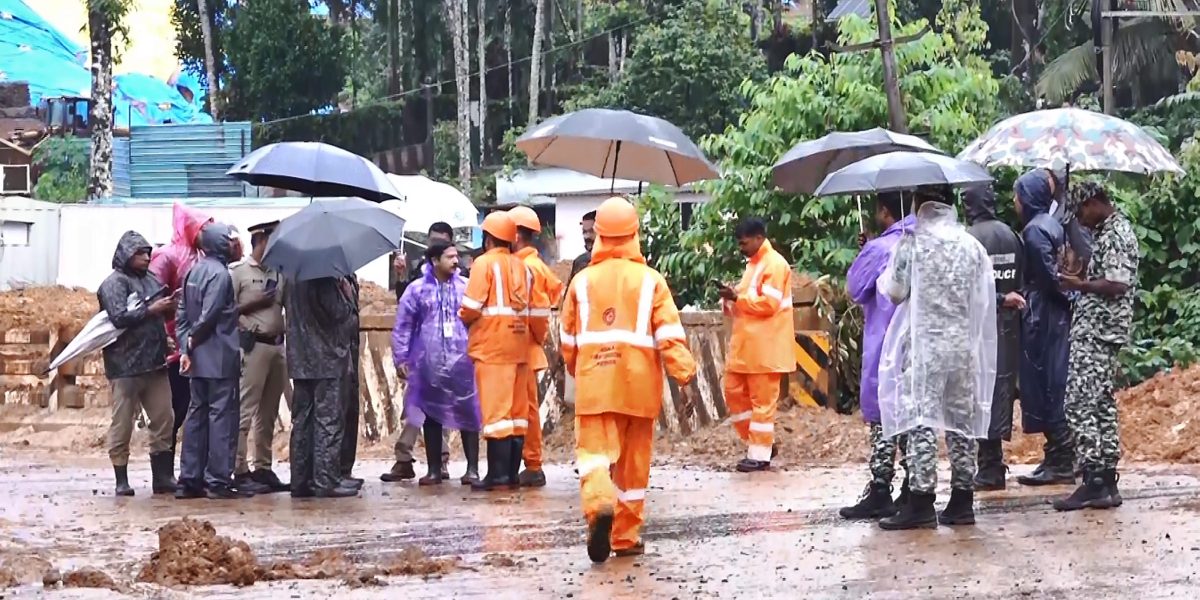
Wayanad’s Warning: Climate-proofing India’s Environmental Impact Assessment Framework
Neha Miriam Kurian and Sony R K
The Wire | 11 August 2026
Climate considerations should become a routine part of scoping, with proper examination of how projected rainfall, temperature, and other climate variables may alter the environmental impacts of projects and pose risks to the project and local populations.
Opinions
Adaptation and Resilience
Environmental Governance and Policy
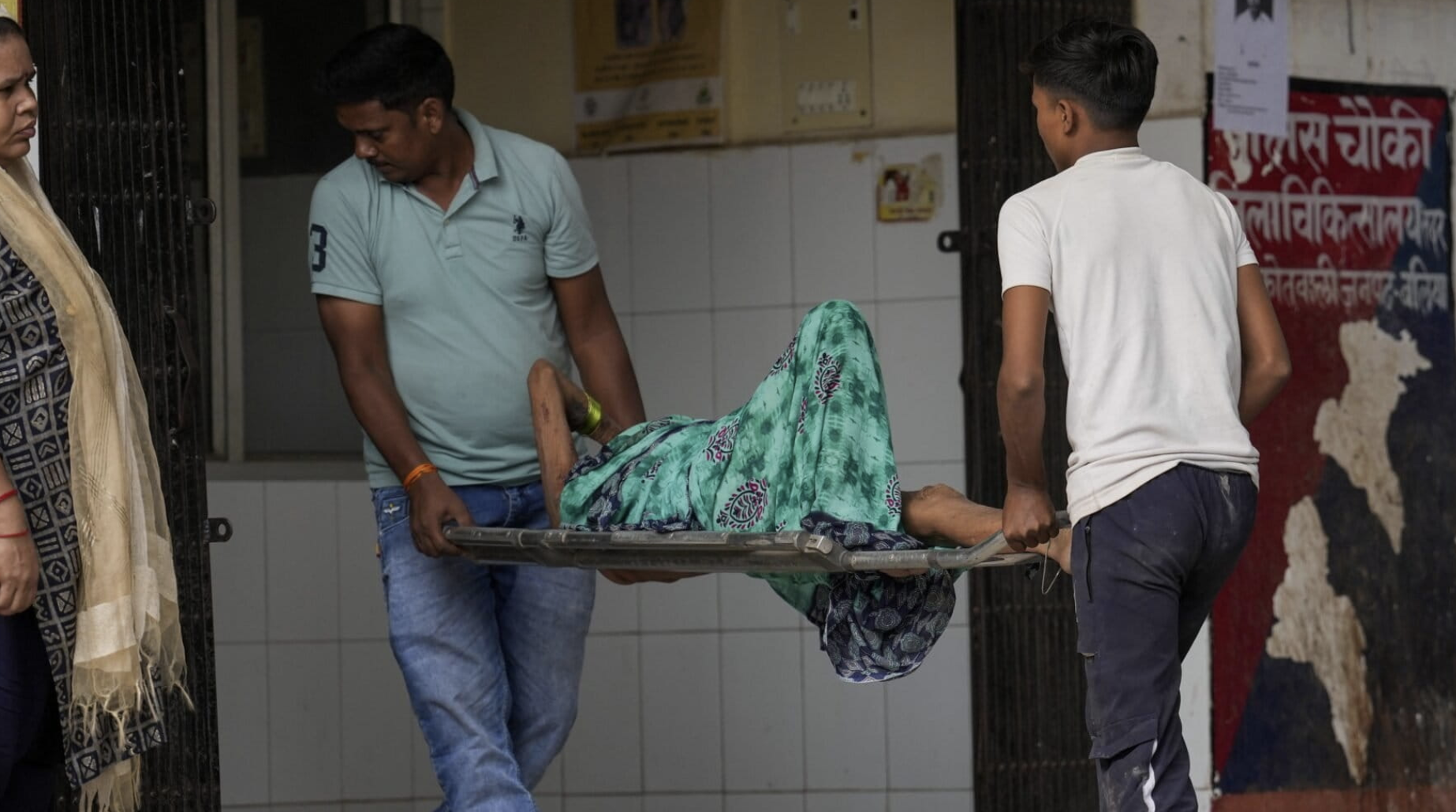
India’s heat response is missing public health logic
Purvi Patel
Mongabay India | 27 July 2026
Heat exposure may be shaped by climate, labour, urban planning, and energy systems, but its consequences ultimately manifest in human health. Unless public health outcomes become the organising principle of heat governance, rising temperatures will continue to expose the limits of our response.
Opinions
Adaptation and Resilience
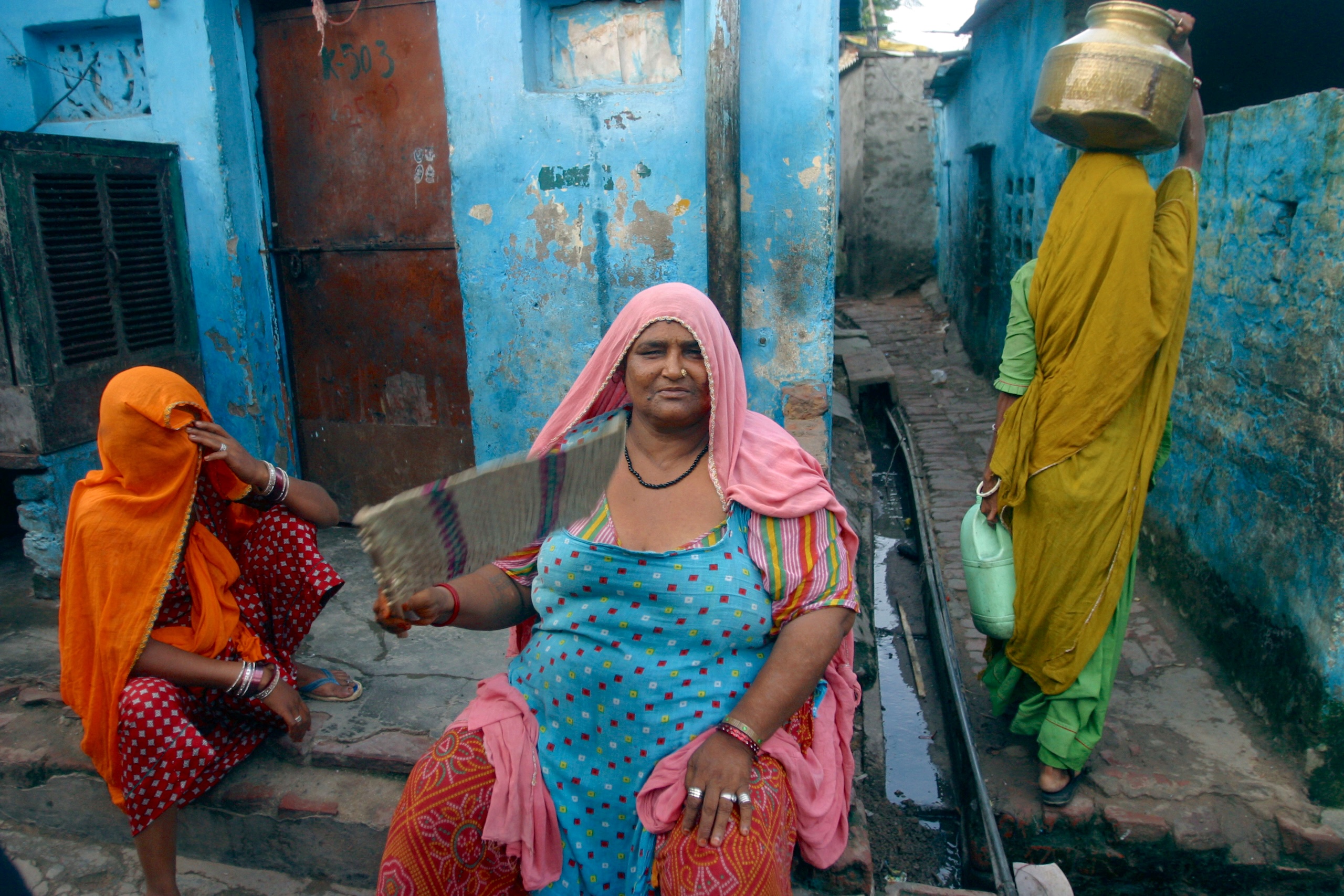
For India’s women, indoor heat is theirs to bear and theirs to fix
Sonali Verma
Dialogue Earth | 23 July 2026
India’s cities are warming and densifying fast. And the women at home are feeling the impact. In many cases they are coming up with their own adaptations as they try to make their lives slightly more bearable. But deeper solutions seem far away, say experts and the women who suffer.
Blogs
Adaptation and Resilience
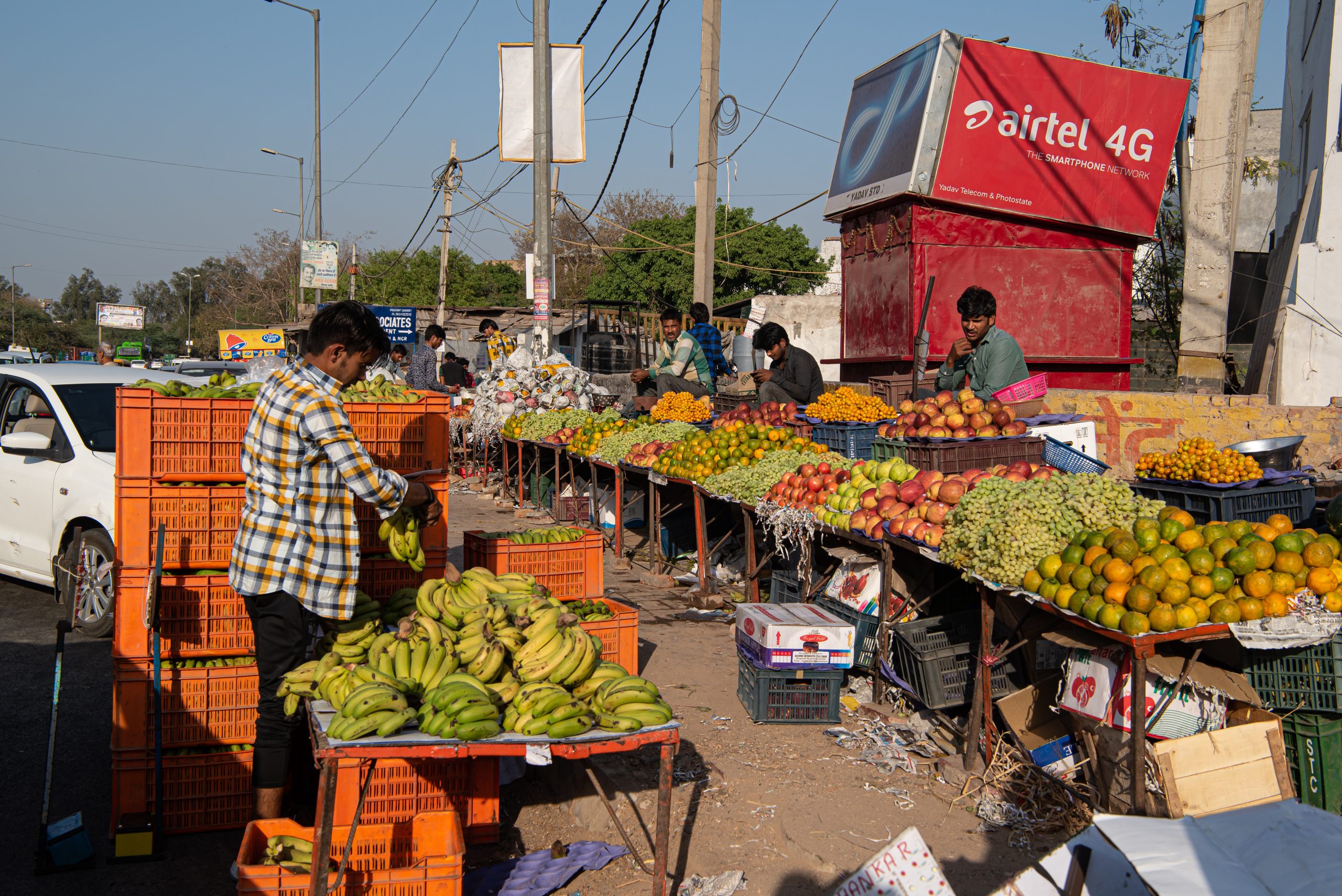
Beyond Heat Action Plans: Inclusive Heat Policy Needs Grounded Research and Collaborative Action
Mukta Naik and Rituraj Pegu
21 July 2026
As India’s response to extreme heat evolves, policy must move beyond one-size-fits-all solutions. Drawing on research with informal workers and lessons from Heat Action Plans, the blog argues that effective heat policy requires grounded evidence, stronger social protection, and closer collaboration between researchers, worker collectives, civil society, and governments.
Opinions
Adaptation and Resilience
Environmental Governance and Policy
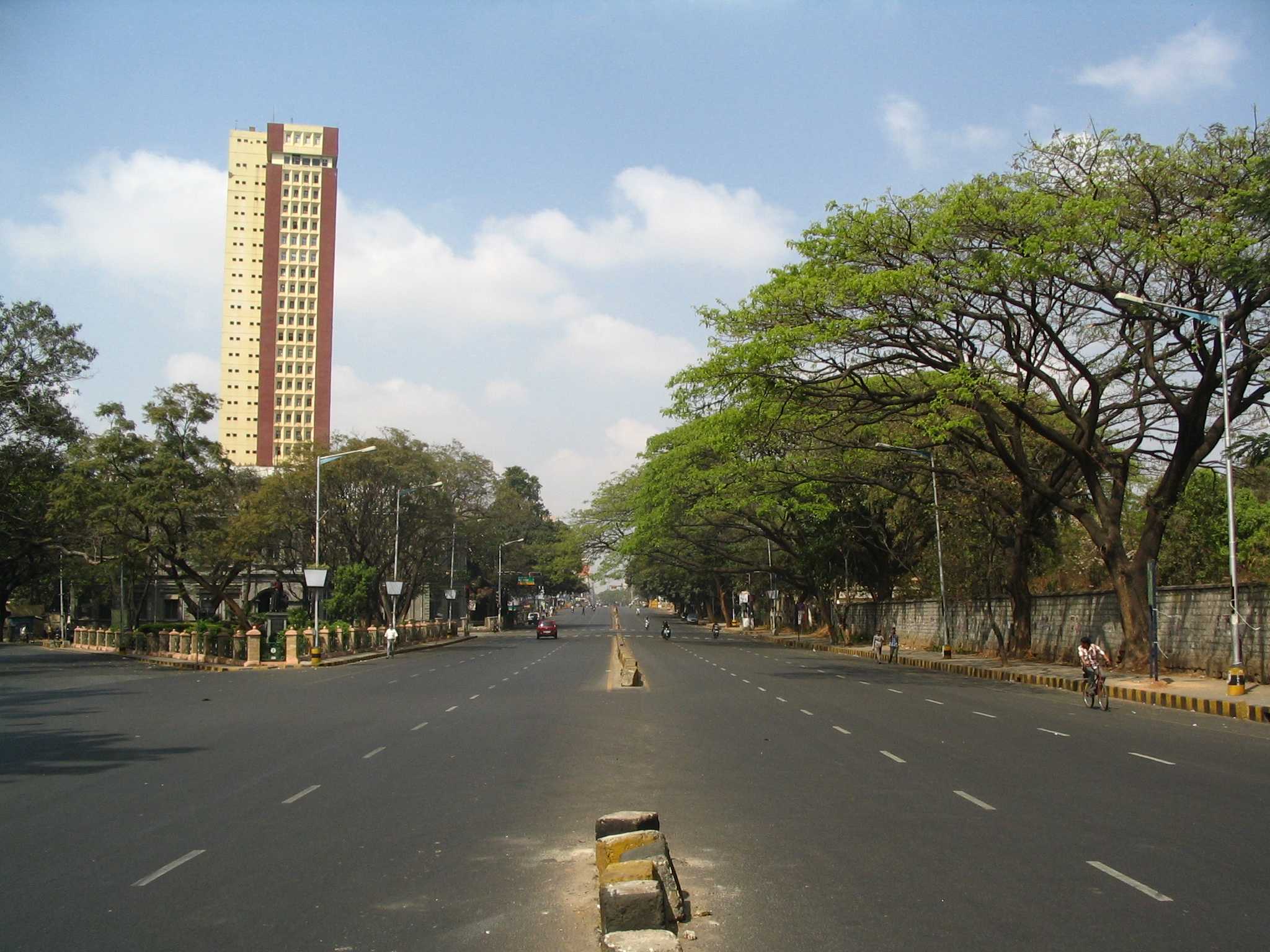
Empower India’s cities to build for sustainability gains
Mukta Naik and Arunesh Karkun
Hindustan Times | 24 June 2026
Urban citizens would be far better served if ULBs were redesigned to overcome jurisdictional fragmentation, funded to hire technical expertise, and empowered to prioritise and deliver co-benefit infrastructure. Above all, city governments must be made answerable to residents for everyday outcomes, such as whether the street floods or the bus is within reach. Change what institutions are capable of and rewarded for, and what they build will change with it.
Opinions
Adaptation and Resilience
Energy Transitions
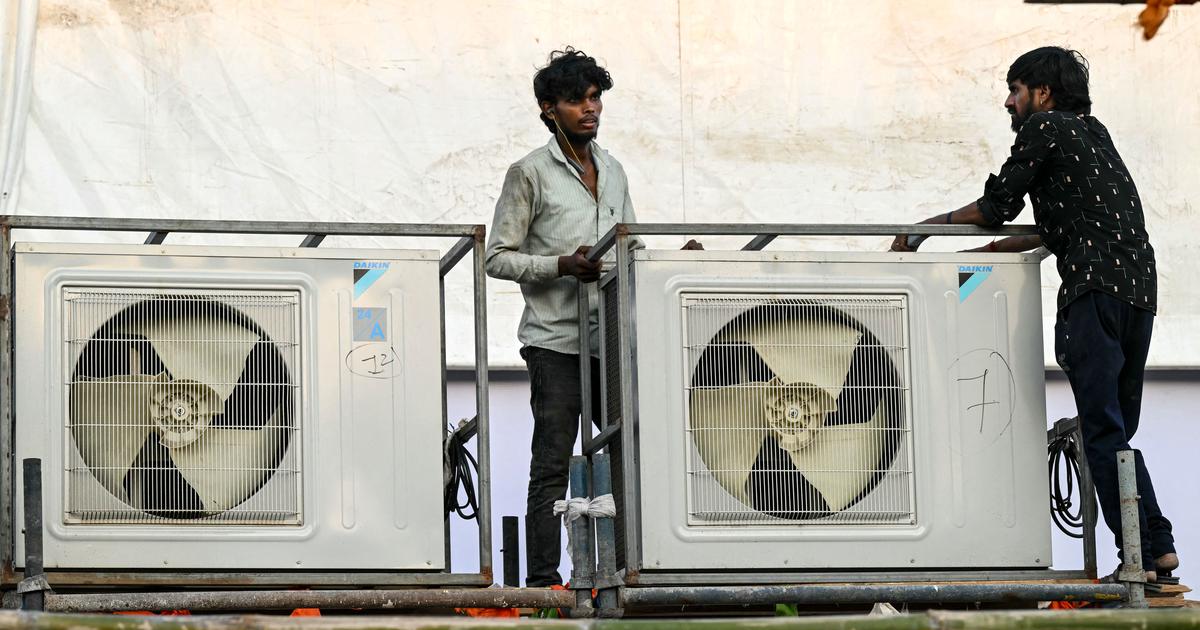
How India can keep cool as energy demands overheat its power grid
Sarada Prasanna Das, Anna Agarwal, and Shubranshu Suman
Scroll | 24 June 2026
Heatwaves are no longer temporary disruptions to India’s power system; they are emerging as one of its defining operating conditions. The challenge is not merely to keep pace with rising power demand, but also to build a power system that is reliable, climate-resilient, socially equitable, and capable of supporting the country’s long-term energy transition.

Opinions
Adaptation and Resilience
India’s coastal risks no longer arrive in isolation
Sony R K
Deccan Herald | 13 June 2026
Policy must approach coastal hazards as interlinked risks, not disconnected events, to build lasting resilience.

Opinions
Adaptation and Resilience
What is the Health Agenda for Climate Adaptation?
Bhargav Krishna, Nitya Mohan Khemka, and Purvi Patel
The India Forum | 10 June 2026
The climate crisis is also a heath crisis, yet India’s strategy has been more to manage the immediate impact rather than shielding its most vulnerable populations from climate destabilisation.
Opinions
Adaptation and Resilience
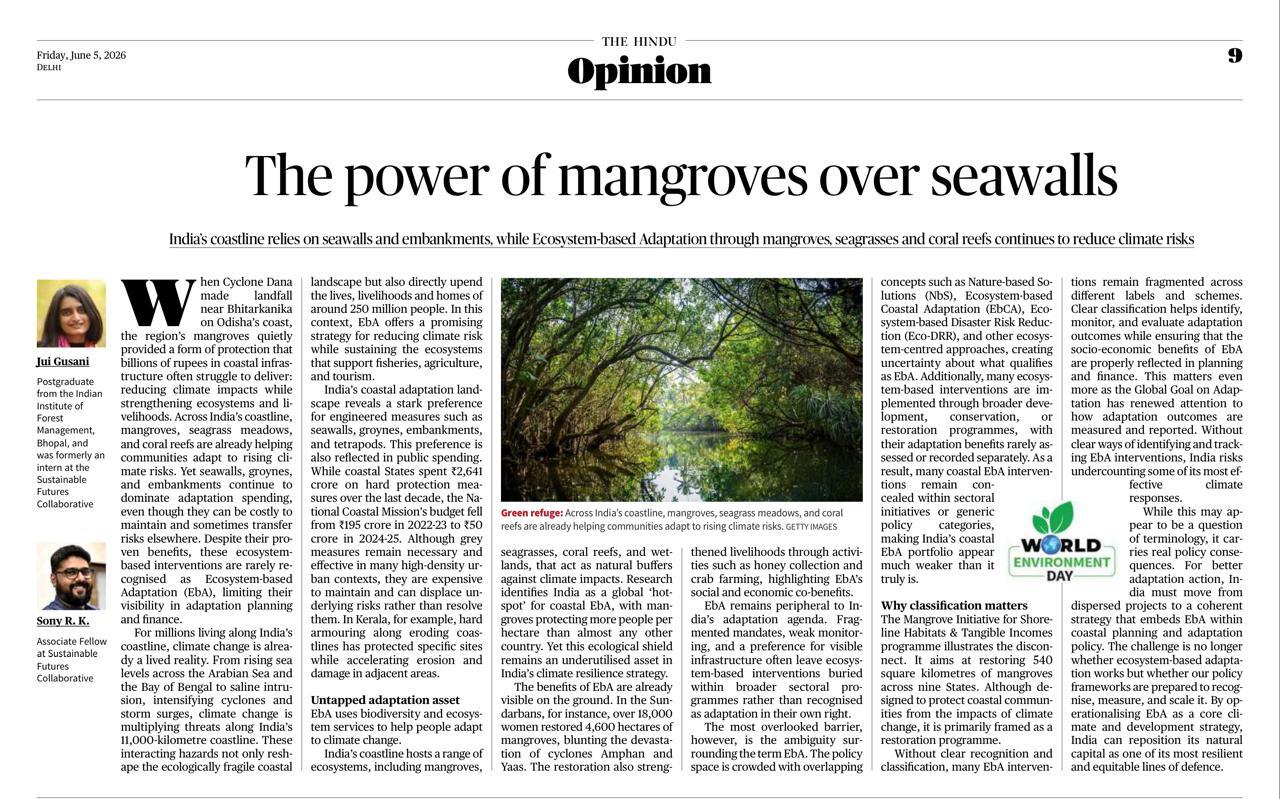
When Mangroves Do What Seawalls Cannot
Jui Gusani and Sony R K
The Hindu | 5 June 2026
Jui Gusani and Sony R K write on how India’s coastline relies on seawalls and embankments, while ecosystem-based adaptation through mangroves, seagrasses, and coral reefs continues to reduce climate risks.