Radhika Khosla, Anna Agarwal, Neelanjan Sircar, and Deepaboli Chatterjee

The what, why, and how of changing cooling energy consumption in India’s urban households
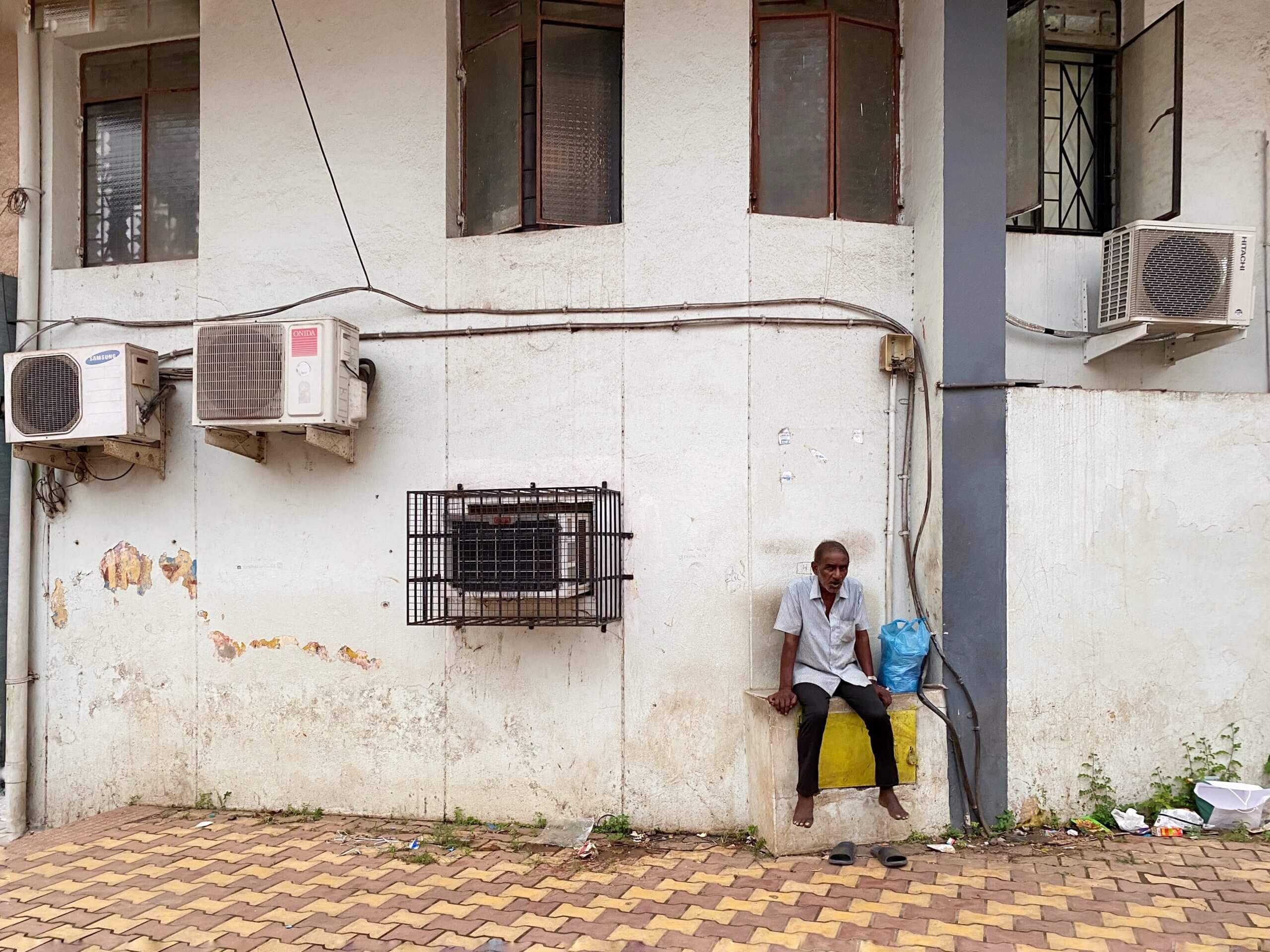
An Indian man sitting outside the grungy wall of a building fitted with air conditioners in Goa. Source: iStock
Abstract
India’s urbanising middle class is at the brink of an unprecedented increase in residential cooling demand, yet little is understood about the dynamics of changing cooling consumption. Based on empirical analyses, this research examines a set of fundamental questions around India’s cooling transition. How is cooling conceptualised, and what cooling strategies do households use? How, when and why are people purchasing and using their air conditioners (ACs)? Who is buying energy-efficient ACs? Is cooling consumption gendered? Using descriptive statistics, machine learning, and regression analysis to characterise AC usage, we examine a sample dataset (n = 2092) that is representative of areas in Delhi with above-average AC penetration. We unpack perceptions of thermal comfort and characterise the conditions under which households have greater AC use and make energy-efficient purchase choices. AC usage is found to be a function of household habits (such as exposure to ACs in the workplace or schools), structural factors, and socio-demographic features. While most ACs are in the middle energy-efficiency range, preferences, behaviours and awareness around energy efficiency are found to affect AC use as well as influence the purchase of more efficient ACs. Notable gender differences are observed, and women are found to be less involved in decision-making around cooling appliances and less aware of the technical know-how or energy-efficient schemes. Policy recommendations for a low-carbon cooling trajectory are discussed.
 Download the Study

Related Publications

Reports
Adaptation and Resilience
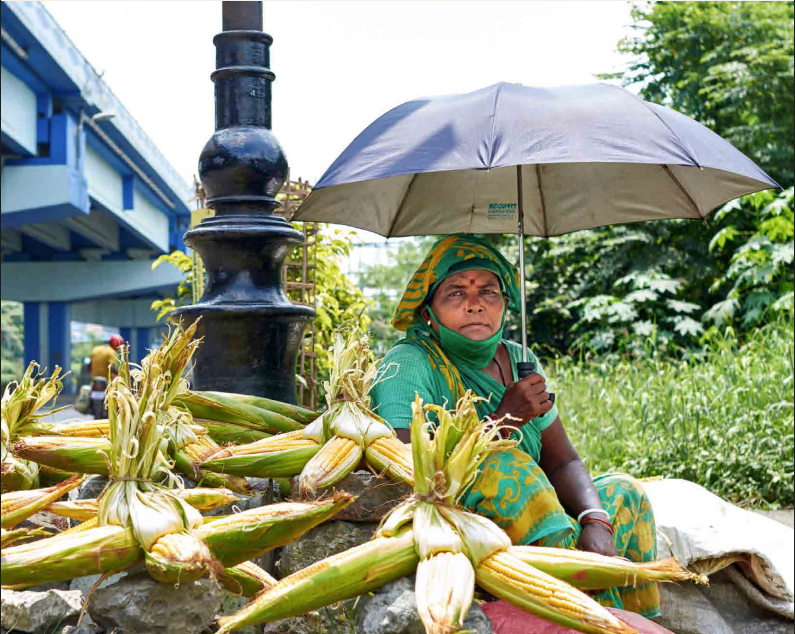
Living with Heat in India: Heat-Health Risks, Vulnerability and Emerging Responses
Dr Purvi Patel, Tamanna Dalal, Abhiyant Tiwari, and Anshima Mishra
GHHIN | 8 October 2026
This report examines India’s evolving heat risk and its implications for population health, with a focus on changing heat exposure, the populations and places most at risk, and the institutional and policy responses emerging across the country.
Opinions
Adaptation and Resilience
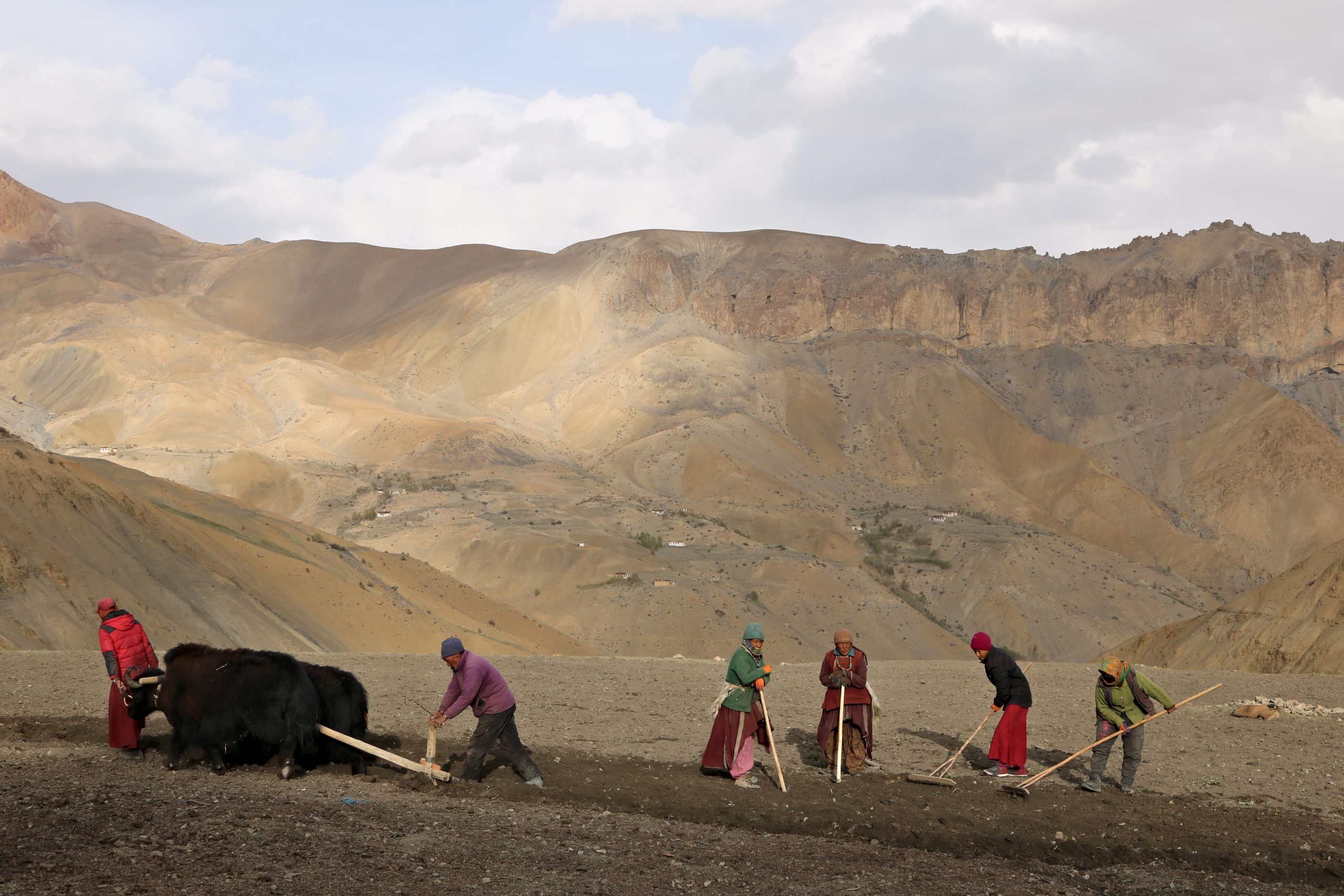
India Needs a Just Adaptation Agenda
Ishan Kukreti, Sarada Prasanna Das, and Sony R K
Mongabay | 6 October 2026
Climate impacts are reshaping India's economy, yet adaptation is often assumed to be inherently just. India's first National Adaptation Plan must make justice enforceable, with statutory community consultation, vulnerability-weighted budgets across sectors, and independent monitoring of who benefits, so resilience reaches those most exposed rather than just those most visible.
Issue Briefs
Adaptation and Resilience
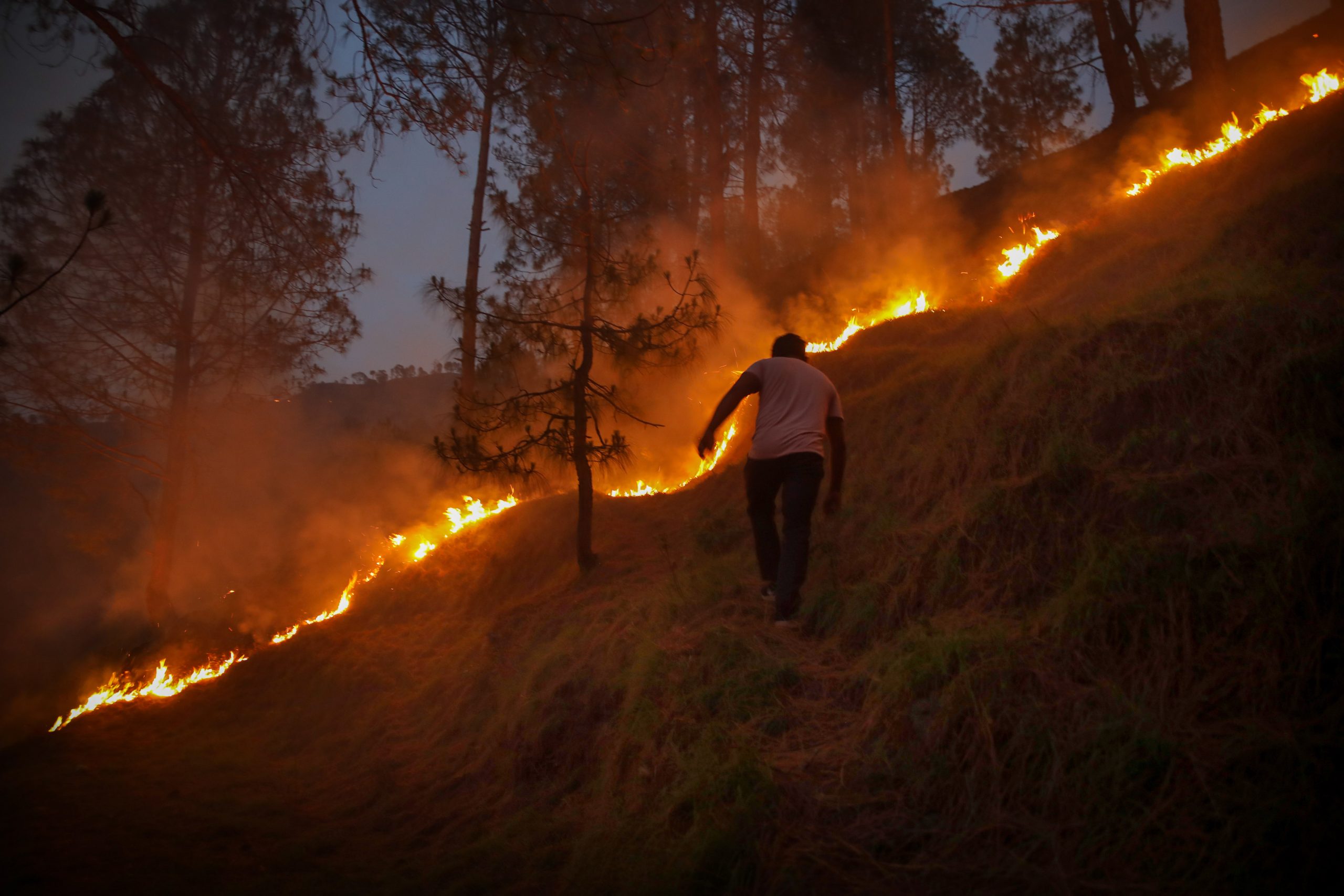
From Fire Suppression to Climate Adaptation: Reimagining Forest Governance in a Warming World
Ishan Kukreti
9 September 2026
An analysis of India's forest fire policy, how current governance addresses climate-driven risks, & the institutional shifts required to move from suppression to adaptation.